
A backup generator is a major investment in your home, similar to upgrading your HVAC system or renovating your kitchen. It adds significant value, security, and a level of preparedness that protects your property and your family. Like any big purchase, making the right choice is crucial to getting the best return on that investment. Choosing a unit that’s too small, picking an unreliable brand, or cutting corners on installation can lead to frustration and wasted money. This guide will help you protect your investment by explaining everything from the initial purchase and installation costs to the long-term value of professional maintenance.
Need Fast & Reliable Electrical Service?
Our licensed electricians are ready to help with repairs, installations, and emergency services. Get expert help you can trust today.
Key Takeaways
- Calculate your power needs before you shop: Make a list of the essential appliances you want to power, add up their running and starting wattage, and then choose a generator with about 20% more capacity to ensure it can handle the load safely.
- Decide between automatic and portable power: Standby generators offer automatic, whole-home power for ultimate convenience, while portable models are a more affordable, hands-on option for powering just the essentials during an outage.
- Always hire a professional for installation: A licensed electrician is essential for a safe setup that complies with local codes, protects your home from hazards like carbon monoxide and electrical backfeeding, and keeps your manufacturer’s warranty valid.
What Are the Main Types of Home Backup Generators?
When you start looking for a generator, you’ll quickly find there are a few different types to choose from. Each one works a bit differently and is designed for specific situations. Getting familiar with the main categories—standby, portable, and inverter—is the first step to finding the perfect fit for your home and power needs. Let’s break down what makes each type unique so you can feel confident in your decision.
Standby Generators
Think of a standby generator as your home’s personal power plant. These units are permanently installed outside your house, similar to an air conditioning unit, and connect directly to your home’s electrical system. Their best feature is that they work automatically. The moment an outage is detected, the generator kicks on, often within seconds, restoring power to your entire home or just the essential circuits you’ve chosen. They typically run on natural gas or propane, so you don’t have to worry about refueling during a storm. This is the most comprehensive solution for uninterrupted power, and a professional backup generator installation ensures it’s integrated safely and correctly.
Portable Generators
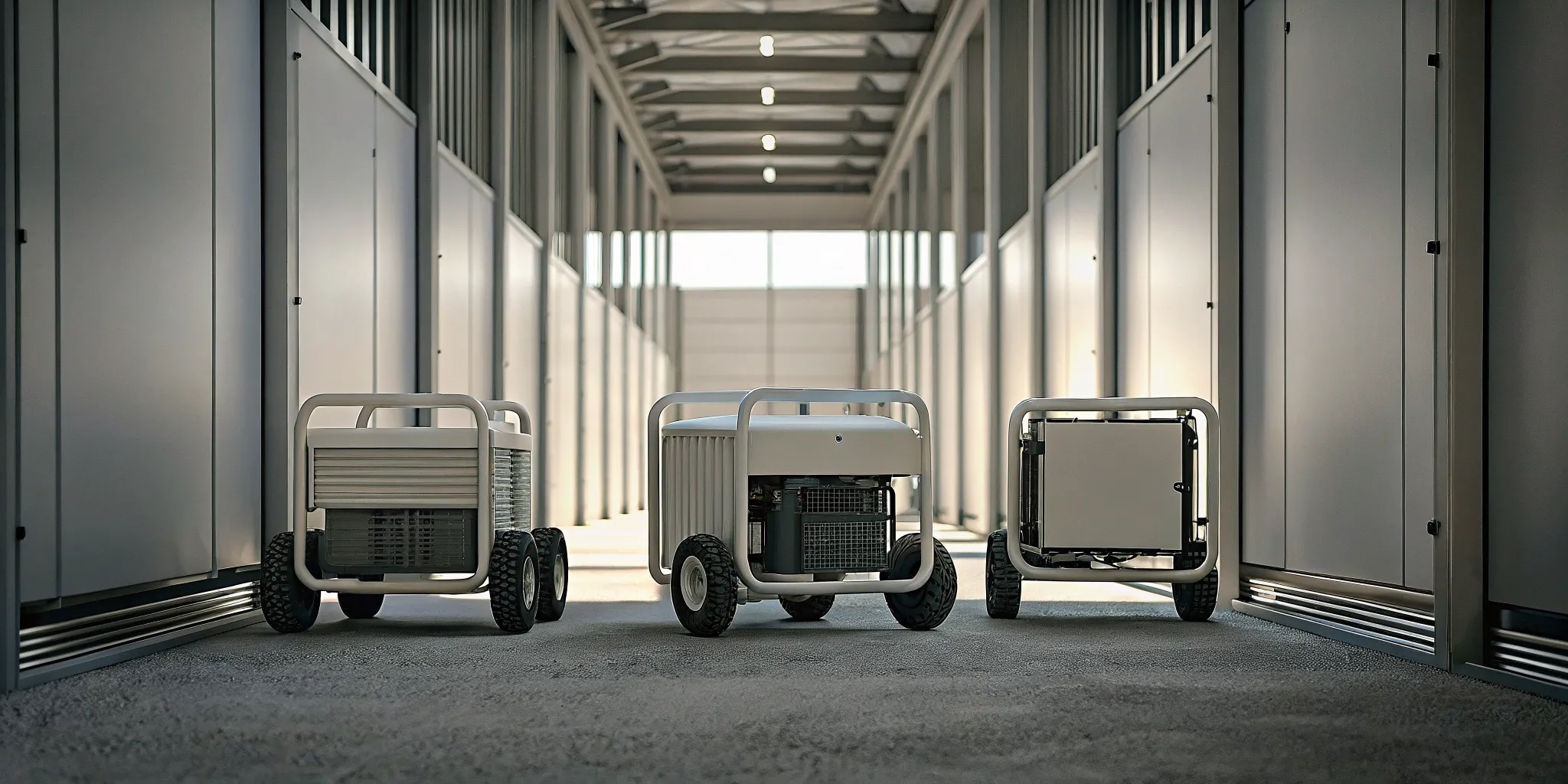
A portable generator is a more hands-on, budget-friendly option for temporary power. As the name suggests, you can move these units where you need them. When the power goes out, you’ll need to wheel it outside, start it up manually, and run extension cords to the appliances you want to power. Most portable generators run on gasoline, which you’ll need to have safely stored on hand. They provide less power than standby models but are great for running essentials like a refrigerator, a few lights, and a phone charger. Safety is critical here; they must always be operated far from windows and doors to prevent carbon monoxide buildup.
Inverter Generators
Inverter generators are a quieter, more advanced type of portable generator. Their main advantage is producing “clean” power, which means the electrical current is stable and consistent. This is incredibly important for protecting sensitive electronics like laptops, TVs, and smartphones from damage. While traditional portable generators can cause power fluctuations, inverters smooth out the electricity they produce. They are also more fuel-efficient and significantly quieter than standard portable models, making them a popular choice for camping and tailgating, as well as for home backup when you need to power delicate devices. They offer a great balance of portability and performance.
How to Choose the Right Size Generator
Picking the right size generator is the most important step in ensuring you have reliable power when you need it most. A generator that’s too small won’t be able to run your essential appliances and could even damage them. On the other hand, a unit that’s too large will be inefficient, costing you more in fuel and upfront investment. The key is finding that sweet spot. The size of the generator you need depends entirely on your specific power requirements. It’s a bit like packing for a trip; you need to know what you’re bringing to choose the right suitcase. Let’s walk through how to figure out exactly what size generator will be the perfect fit for your home or business. For a personalized assessment, our team is always ready to help with your backup generator installation.
If you are asking whether a 50 amp generator can run your home, start with the circuits you want during an outage and compare their starting watts against the generator output.
Calculate Your Power Requirements
Before you can choose a generator, you need to do a little math. It’s crucial to assess your power requirements accurately to make sure you get a unit that can handle the load. Start by making a list of all the appliances and devices you want to power during an outage. For each item, you’ll need to find two numbers: the starting wattage (the extra power needed to start up) and the running wattage (the power needed to keep it running). You can usually find this information on the appliance’s label or in the owner’s manual. Add up the running watts for everything on your list, then add the highest starting wattage to that total. This final number gives you the minimum wattage your generator needs to produce.
Decide Which Appliances to Power
Your next step is to separate the must-haves from the nice-to-haves. For some households, certain appliances are non-negotiable. For example, a generator is essential if you have a well, because your pump won’t work without electricity. The same goes for a sump pump, which can prevent major water damage. Other essentials might include your refrigerator, freezer, and critical medical equipment. For businesses, this could mean keeping servers, security systems, and point-of-sale systems running. Our commercial electrical services can help you identify your business’s critical power needs. Once you have your list of essentials, you can decide if you want a generator large enough to also handle conveniences like lights, televisions, or your HVAC system.
Follow Sizing Guidelines for Safety
Properly sizing your generator isn’t just about convenience; it’s a matter of safety. An undersized generator will be constantly overworked, which can cause it to overheat and fail prematurely. More importantly, it can damage the sensitive electronics in your appliances by providing inconsistent power. A good rule of thumb is to choose a generator with a capacity that’s about 20-25% higher than your calculated total wattage. This buffer gives you the flexibility to power an extra item if needed and safely handles the initial power surge from appliances with motors, like your air conditioner or refrigerator. Getting the sizing right is a key part of our professional electrical services because it ensures your system operates safely and reliably for years.
Common Sizing Mistakes to Avoid
Many people make simple mistakes when sizing a generator that can lead to big problems. One of the most frequent errors is failing to calculate the proper electrical load, which means your generator may not have the capacity when you need it. This often happens when people forget to account for the high starting wattage of large appliances. Another common mistake is guessing your power needs instead of calculating them accurately. It’s also wise to think about the future. Are you planning to add an EV charger or a hot tub down the line? Factoring in potential future needs can save you from having to upgrade your generator later. The best way to avoid these pitfalls is to get a professional assessment from a licensed electrician at TLC Electrical for your backup generator installation.
What Are the Best Backup Generator Brands?
Once you know the type and size of generator you need, the next step is choosing a brand. With so many options on the market, it can be tough to know which names to trust. The truth is, the “best” brand really depends on your specific needs, from the appliances you want to power to your budget. Some brands are leaders in whole-home standby systems, while others are known for their durable and quiet portable models.
Think of it like buying a car. You wouldn’t buy a sports car if you needed to haul lumber, right? The same logic applies here. A homeowner who wants seamless, automatic power for their entire house during a storm will have different priorities than someone who just needs to keep the fridge running and charge their phone.
At TLC Electrical, we have years of experience working with the industry’s most reputable generator brands. We’ve seen firsthand which ones deliver on their promises of reliability and performance. To help you get started, we’ve put together a list of top brands that consistently earn high marks from both professionals and homeowners. We can help you select the perfect model and provide a professional backup generator installation to ensure it operates safely and efficiently for years to come.
Our Top Recommended Brands
When it comes to reliability and performance, a few brands consistently stand out. We often recommend Generac for their robust standby generators that offer whole-home coverage. For those who need a flexible, portable option, Honda is a household name known for its quiet and dependable models. And if you’re looking for versatility, DuroMax offers innovative dual fuel generators that provide extra peace of mind. Each of these brands has built a strong reputation for quality engineering and customer satisfaction, making them a great starting point in your search.
Generac Standby Generators
If you want a generator that you don’t have to think about, Generac is the brand for you. They are the market leader in standby generators, which are permanently installed outside your home, much like an AC unit. These systems are designed to turn on automatically the moment an outage is detected, providing uninterrupted power to your entire home. This means your lights, refrigerator, HVAC system, and medical equipment will keep running without you lifting a finger. Generac offers a range of sizes to fit any home, ensuring you have reliable power when you need it most.
Honda Portable and Inverter Models
Honda has a long-standing reputation for building incredibly reliable engines, and their generators are no exception. They are best known for their portable and inverter models, which are perfect for powering essential items rather than the whole house. Honda’s inverter generators are especially popular because they are exceptionally quiet and produce “clean” power, which is safe for sensitive electronics like computers and smartphones. Their portability makes them a great choice not only for emergency home backup but also for camping, tailgating, and job sites.
DuroMax Dual Fuel Options
DuroMax is a fantastic choice for homeowners who value flexibility. Their signature feature is the Dual Fuel technology, which allows their generators to run on either gasoline or propane. This is a huge advantage during a widespread power outage, as one fuel source might be easier to find than another. DuroMax home backup generators are known for being powerful, rugged, and dependable. Having the ability to switch between fuel types gives you more control and resilience, ensuring you can keep your home powered no matter the situation.
Key Features to Compare
Beyond the brand name, it’s important to compare the specific features of each model. Start by looking at the power output (measured in watts) to ensure it can handle all the appliances you need. Consider the fuel type and the generator’s runtime on a full tank or propane cylinder. Safety features are also critical; look for things like an automatic low-oil shutoff to protect the engine and built-in surge protection to safeguard your electronics. Understanding these essential generator features will help you make a confident and informed decision.
Breaking Down the Cost of a Backup Generator
Investing in a backup generator is a big decision, and understanding the full financial picture is key. The price you see on the generator itself is just the starting point. To create a realistic budget for your backup generator installation, you need to account for the unit, professional labor, fuel, and ongoing care. Let’s break down what you can expect to pay at each stage so you can plan with confidence.
Purchase Price by Generator Type
The first major expense is the generator unit. The price tag depends heavily on the type and how much power it can produce. For a whole-house standby generator, you can expect the unit to cost between $2,000 and $6,000. Popular brands like Generac offer models in a similar range, from $2,000 to $5,000, depending on their power capacity. This initial purchase is the foundation of your backup power system, so choosing the right size and model for your home’s needs is the most important first step.
Professional Installation and Transfer Switch Costs
Getting your generator set up correctly and safely is not a DIY project. Professional installation typically adds $3,000 to $5,000 to your total cost. This price includes connecting the generator to your home’s fuel and electrical systems and installing an automatic transfer switch. This switch is a critical safety device that automatically disconnects your home from the grid during an outage and connects it to the generator. The complete cost to install a generator, including the unit and labor, often lands between $6,000 and $11,000 for a standard setup.
Factoring in Fuel and Operating Costs
Your generator needs fuel to run, and this ongoing expense will depend on the type you choose. Most home generators run on natural gas or liquid propane. If your home already has a natural gas line, it’s often the more convenient and cost-effective option for powering your entire home. Propane is a great alternative, especially if natural gas isn’t available, but it requires a large storage tank on your property. The choice of fuel will influence not only your long-term operating costs but also the initial installation complexity and price.
Ongoing Maintenance and Service Expenses
Just like your car, a backup generator needs regular maintenance to run reliably when you need it most. Setting aside a budget for routine service is a smart move that helps prevent unexpected, costly repairs. An annual check-up by a qualified technician ensures all parts are working correctly, the oil is clean, and the battery is ready to go. This proactive care is the best way to protect your investment and ensure your generator has a long, dependable life. Planning for these maintenance costs from the start gives you true peace of mind.
Staying Safe: Generator Installation Essentials
A backup generator is a fantastic investment for your home’s comfort and security, but it’s also a powerful piece of equipment that demands respect. Proper installation isn’t just a recommendation; it’s absolutely essential for keeping your family, your property, and utility workers safe. When a generator is installed correctly, it works seamlessly and reliably when you need it most. When it’s not, it can create serious risks, from electrical hazards to carbon monoxide exposure.
Getting the installation right from the start ensures your generator will perform efficiently for years to come. It’s about more than just connecting a few wires. It involves careful planning, understanding local codes, and handling high-voltage electrical systems. Let’s walk through the key safety considerations you need to be aware of before you flip the switch.
Essential Safety Features to Look For
When you’re shopping for a generator, don’t just focus on the power output. Modern generators come equipped with important safety features that can prevent major accidents. Look for models with automatic low-oil shutoff, which protects the engine from damage. Overload protection is another critical feature that prevents the generator from being pushed beyond its capacity, reducing the risk of overheating and fire. For standby models, weatherproof enclosures are standard, but you’ll want to ensure they are durable and can withstand the elements in your area. These built-in protections are your first line of defense against common generator safety risks.
Preventing Carbon Monoxide with Proper Ventilation
Carbon monoxide (CO) is an odorless, colorless gas produced by fuel-burning engines, and it can be deadly. This is why a generator should never, under any circumstances, be operated inside your home, garage, basement, or any enclosed space. It also needs to be placed far away from windows, doors, and vents to prevent CO from seeping into your house. A professional installer will identify the safest location for your generator, ensuring it has plenty of ventilation while complying with all manufacturer specifications and local regulations. This single step is one of the most important for protecting your family’s health.
Transfer Switch Requirements and Electrical Safety
A transfer switch is a non-negotiable component of a safe generator setup. This device safely connects the generator to your home’s electrical panel. Its most important job is to prevent “backfeeding,” a dangerous situation where electricity from your generator travels back through the utility lines. Backfeeding can cause fires and poses a lethal risk to utility workers trying to restore power. A licensed electrician will install either an automatic or manual transfer switch, ensuring your home’s power is managed safely and your generator operates as a reliable, isolated power source during an outage.
Fuel Storage and Local Code Compliance
Whether your generator runs on gasoline, propane, or natural gas, its fuel source needs to be handled correctly. Storing gasoline requires approved containers in a well-ventilated area away from your home. Propane tanks have their own placement and storage rules. If your generator connects to your home’s natural gas line, that connection must be done by a qualified professional to prevent leaks. Every municipality has specific codes regarding fuel storage and line installation. A professional backup generator installation ensures that every aspect of your fuel system is safe, secure, and up to code.
Common Installation Mistakes to Avoid
While a DIY project can be satisfying, generator installation is not the place to cut corners. Some of the most common installation mistakes can lead to poor performance or outright failure. A frequent error is miscalculating the home’s electrical load, which results in a generator that’s too small to power your essential appliances. Another issue is improper fuel line sizing, which can prevent the generator from starting or running smoothly. Placing the generator on an unstable surface can also cause problems. These mistakes are easily avoided by working with experienced electricians who handle these projects every day.
Why Professional Installation Matters
A backup generator is a significant investment in your home’s safety and comfort. To get the most out of it, proper installation is non-negotiable. While it might be tempting to save money with a DIY approach, installing a generator is a complex job that involves your home’s electrical and fuel systems. An incorrect setup can lead to poor performance, damage to your appliances, or serious safety hazards like electrical fires or carbon monoxide poisoning.
Professional installation ensures your generator is connected safely and correctly according to all local codes and manufacturer specifications. A licensed electrician will handle everything from placing the unit in a safe location to integrating the transfer switch with your electrical panel. This not only guarantees your generator will work reliably when you need it but also protects your investment, your home, and your family. Think of it as the final, crucial step in securing your peace of mind.
Professional Installation vs. DIY
Many homeowners are comfortable with DIY projects, but generator installation is a task best left to the experts. A generator isn’t a standalone appliance; it connects directly to your home’s main electrical panel. Without professional experience, it’s easy to make critical errors. A generator’s reliability truly depends on a correct and safe installation process.
Even small mistakes can have big consequences, from damaging the generator itself to harming your home’s appliances or creating a fire risk. Avoiding common DIY mistakes with generator installation is tricky without the right training and tools. A professional electrician has the expertise to manage the high-voltage connections safely, ensuring your system works flawlessly from day one.
Understanding Maintenance and Service Plans
Proper installation is just the beginning. Like any major piece of equipment, your generator needs regular maintenance to perform reliably for years to come. When you work with a professional installer, you also gain a partner for long-term care. Most reputable electrical service companies offer maintenance and service plans to keep your generator in top condition.
These plans typically include routine inspections, oil and filter changes, battery checks, and system tests. By having trusted, experienced professionals handle the upkeep, you can rest assured that your generator will be ready to go the moment a power outage hits. This proactive approach helps you avoid problems and ensures your generator delivers the safety and reliability your home deserves.
Generator Installation and Service in Dallas-Fort Worth
In the Dallas-Fort Worth area, installing a generator involves meeting specific local codes and regulations. A licensed electrician from TLC Electrical understands these requirements and will secure all necessary permits for your project. We handle every detail of your backup generator installation, ensuring your system is not only powerful but also fully compliant.
Our experienced technicians know how to avoid common installation mistakes that can compromise performance. For example, issues like improper fuel line sizing can prevent a generator from starting or running efficiently. We take care of these technical details so you can have total confidence that your generator will be ready to power your home through any outage.
Your Warranty and Long-Term Support
Your generator’s warranty is a valuable part of your purchase, but a DIY installation could put it at risk. Most manufacturers require that their generators be installed by a licensed and certified technician for the warranty to be valid. If an issue arises from an improper installation, the manufacturer may not cover the repairs, leaving you with a hefty bill.
By choosing a professional installer, you protect your warranty and ensure you have access to long-term support. Prioritizing proper warranty coverage is a key part of making an informed decision. Should you ever have an issue with your generator, you’ll have a trusted team to call for service, repairs, and any questions you might have down the road.
Related Articles
- Backup Generator Installation – TLC Electrical
- Whole House Surge Protection – TLC Electrical
- Electrical Choices for Home EV Charging Options – TLC Electrical
- Our Blog – TLC Electrical
Need Fast & Reliable Electrical Service?
Our licensed electricians are ready to help with repairs, installations, and emergency services. Get expert help you can trust today.
Frequently Asked Questions
What’s the main difference in how I’d use a standby versus a portable generator? The biggest difference comes down to convenience and effort. A standby generator is a hands-off solution; it’s permanently installed and turns on automatically when the power goes out, running your home’s systems directly. A portable generator requires you to manually set it up outside, start it, and run extension cords to the specific appliances you want to power. Think of it as the difference between your home’s central AC and a window unit you have to install yourself.
Is a transfer switch really necessary for my generator? Yes, it is absolutely essential for any generator connected to your home’s wiring. A transfer switch is a critical safety device that isolates your home from the utility grid during an outage. This prevents your generator from sending electricity back into the power lines, a dangerous situation called backfeeding that can seriously injure or kill utility workers. It also protects your home’s electronics from damage when the main power is restored.
How long does a typical standby generator installation take? A professional installation for a standby generator is a detailed process that usually takes one to two full days. The timeline can vary based on your home’s specific layout. The installation includes preparing a stable base for the unit, connecting it to your home’s fuel source (like natural gas or propane), and wiring the transfer switch into your main electrical panel.
What kind of maintenance does a backup generator require? Similar to a car, your generator needs regular check-ups to stay reliable. We recommend having a qualified technician service it annually to change the oil and filters, inspect the battery, and run a full diagnostic test. In between professional visits, it’s a good idea to start the generator and let it run for about 15 to 20 minutes each month to keep the engine lubricated and ready for action.
I’m overwhelmed by the options. What’s the best first step to take? The best way to start is to simply walk through your home and make a list of the appliances and systems you can’t live without during an outage. Consider essentials like your refrigerator, well pump, medical equipment, or sump pump. This list will give you a solid idea of your power needs and helps a professional determine the right size generator for you. Once you have your list, the next step is to schedule a consultation with a licensed electrician.