
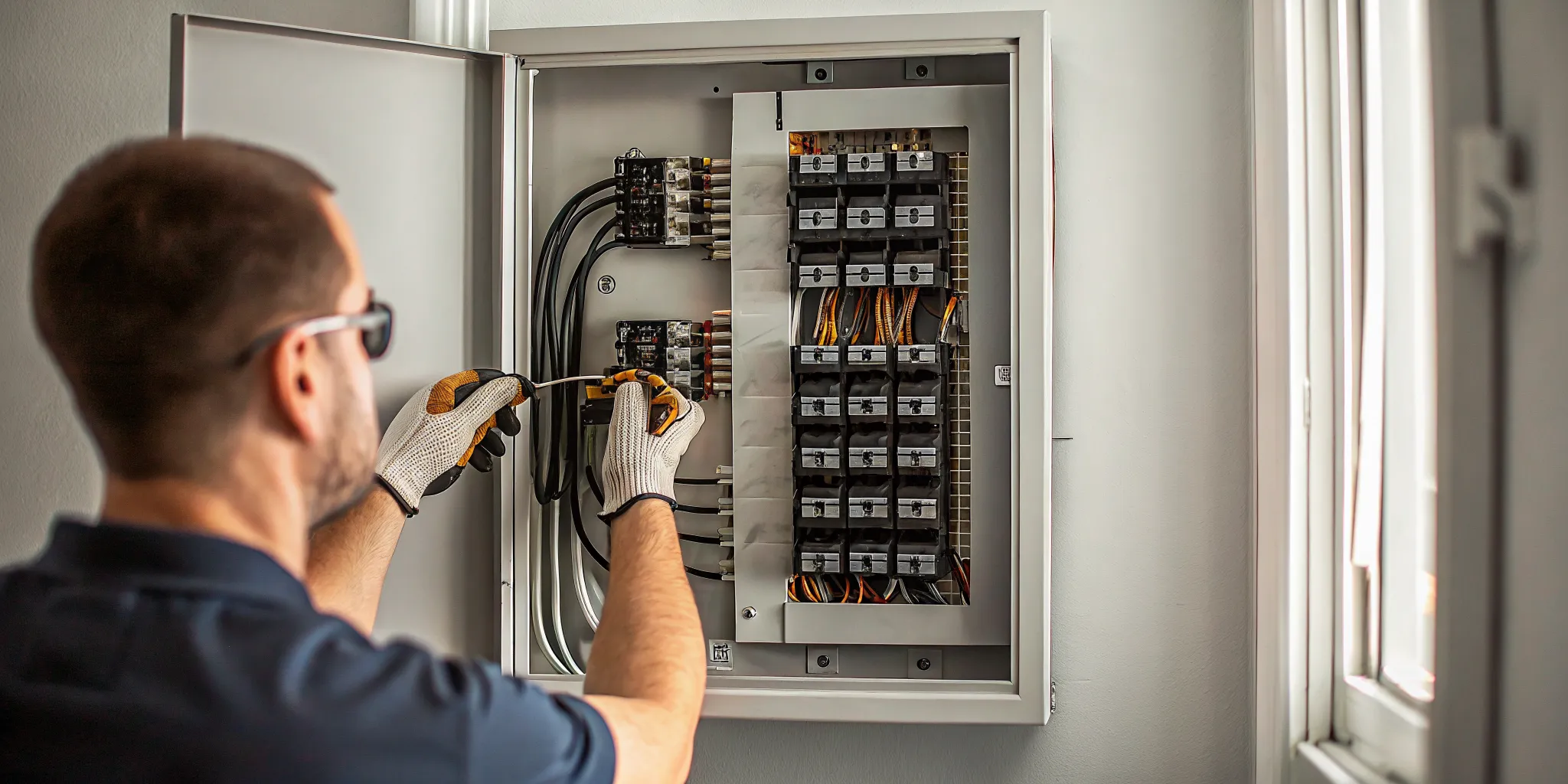
A constantly tripping breaker is like a puzzle waiting to be solved. The clues are all there: maybe it happens every time you use the toaster, or perhaps it trips even when nothing is plugged in. Each scenario points to a different culprit, from a simple appliance overload to a more hidden wiring issue. By acting as an electrical detective, you can often trace the problem to its source. This guide will show you exactly what to look for, how to safely test your circuits, and how to use the process of elimination to find the root cause, giving you a clear plan for how to fix a circuit breaker that keeps tripping.
Need Fast & Reliable Electrical Service?
Our licensed electricians are ready to help with repairs, installations, and emergency services. Get expert help you can trust today.
Key Takeaways
- Identify the most common cause: A tripped breaker is usually just a sign of an overloaded circuit, which happens when too many high-power appliances are running at once. You can often solve this by simply unplugging a few devices to reduce the load.
- Use a process of elimination: To find a faulty appliance, unplug everything on the circuit, reset the breaker, and then plug each device back in one by one. The item that trips the breaker again is the source of the problem.
- Recognize serious warning signs: Stop troubleshooting and call a professional if you notice a burning smell, see scorch marks on outlets, or if the breaker trips again immediately after you reset it, as these point to a dangerous electrical fault.
Why Does My Circuit Breaker Keep Tripping?
It’s frustrating when the power cuts out right in the middle of something important. While a tripped circuit breaker can feel like a major inconvenience, it’s actually a critical safety feature doing its job. Your electrical panel is designed to shut off power when it detects a problem, protecting your home and appliances from damage, and more importantly, preventing electrical fires. Understanding what’s causing the trip is the first step to fixing it. Most of the time, it comes down to one of four common issues.
Overloaded Circuits
This is the most frequent reason for a tripped breaker. An overloaded circuit happens when you try to draw more electricity than the circuit is designed to handle. Think about your kitchen in the morning: if you have the coffee maker, toaster, and microwave all running on the same circuit, the combined demand for power can be too much. The breaker trips to prevent the wires from overheating. It’s a simple cause and effect. If you find a specific circuit trips often, you might need to redistribute your appliances or consider having a professional add a new, dedicated circuit for high-power devices.
Short Circuits
A short circuit sounds dramatic, and it’s definitely more serious than an overload. This happens when a “hot” wire comes into contact with a “neutral” wire, creating a new, low-resistance path for the electricity to follow. This causes a sudden, massive surge of current that trips the breaker instantly. Short circuits can be caused by several things, including old or damaged wiring, loose connections, or even pests chewing through insulation. Because they pose a significant fire risk, short circuits should always be addressed by a licensed electrician who can safely perform the necessary electrical services.
Ground Faults
A ground fault is a specific type of short circuit. It occurs when a hot wire touches a grounded part of your system, like a metal outlet box or the ground wire itself. This often happens in areas where moisture is present, which is why kitchens, bathrooms, and outdoor outlets are common culprits. The electricity takes an unintended path to the ground, creating a dangerous situation that can cause severe electrical shocks. This is precisely why modern homes have Ground Fault Circuit Interrupter (GFCI) outlets in these areas. If you have equipment near water, like for a pool, proper grounding is essential for safety, which is why specialized pool and spa services are so important.
Faulty Appliances or Wiring
Sometimes, the problem isn’t with the circuit itself but with something plugged into it. An appliance with damaged internal wiring or a faulty motor can create a short circuit or an overload, causing the breaker to trip as soon as you turn it on. Similarly, deteriorating wiring within your walls can lead to the same issues. If a breaker trips immediately after you reset it, it often points to a direct short. You can try to identify a faulty appliance by unplugging everything on the circuit and then plugging them back in one by one. If the issue is with your home’s wiring, however, you’ll need a professional to diagnose and fix it.
How to Safely Reset a Tripped Circuit Breaker
When the power cuts out in one part of your home, a tripped circuit breaker is often the cause. Resetting it is usually a quick fix, but it’s important to do it safely. Before you touch anything, take a moment to understand the process. This guide will walk you through how to identify the problem and restore your power without any risks.
Find Your Electrical Panel
First, you need to find your home’s main electrical panel, often called a breaker box. It’s typically a gray metal box located in a low-traffic area like a garage, basement, or utility closet. When you open the panel door, you’ll see rows of switches. Most of them should be flipped to one side, in the “on” position. The tripped breaker is the one that will be out of line with the others. It won’t be fully on or off but will be stuck in a neutral, middle position. This is the switch that needs your attention.
Follow This Step-by-Step Reset Process
Once you’ve found the tripped breaker, resetting it is a simple two-step process. You have to turn it completely off before you can turn it back on. Push the switch firmly to the “off” position until you hear or feel a click. This is a crucial step. After it’s fully off, you can then flip it back to the “on” position. If the power comes back on and stays on, you’ve solved the problem. If the breaker trips again right away, this points to a more serious issue like a short circuit. Don’t try to reset it again; it’s time to call for professional electrical services.
Remember These Safety Precautions
Your safety is the top priority. Before you touch the panel, use your senses. If you see sparks, smell something burning, or hear buzzing sounds, stop immediately and call for emergency electrical repair. Do not touch any breakers that look burned, warped, or discolored, as this creates a risk of electric shock. If you reset the breaker and it trips again, try unplugging everything on that circuit. If it still trips with nothing plugged in, you’re likely dealing with a short circuit or a ground fault in the wiring. This is not a DIY project and requires a licensed professional.
What to Check Before You Call an Electrician
A circuit breaker that keeps tripping is frustrating, but it doesn’t always signal a major electrical disaster. Often, the breaker is simply doing its job: protecting your home from overloads or short circuits. Before you pick up the phone, there are a few safe and simple checks you can perform to diagnose the issue. Taking a few minutes to troubleshoot can sometimes solve the problem right away, saving you time and the cost of a service call.
Think of it as gathering clues. By running through a few steps, you can often identify a simple fix, like an overloaded circuit caused by too many appliances. If the problem is more complex, the information you gather will be incredibly helpful when you do call a professional. You’ll be able to tell them exactly what you’ve observed, which helps them diagnose the issue faster. These checks are all about identifying the low-hanging fruit. Let’s walk through what to look for, how to test your circuits safely, and how to spot the warning signs that mean it’s time to stop and call for expert electrical services.
Try These Initial Troubleshooting Steps
The most common reason for a tripped breaker is a simple circuit overload. This happens when you have too many high-power devices running on a single circuit at the same time. Think about appliances that generate heat, like a space heater, a toaster, a coffee maker, or a hair dryer. If your breaker trips when you turn one of these on, you’ve likely found your culprit.
First, unplug a few items from the affected area, especially any high-wattage ones. Then, try resetting the breaker. If it stays on, you’ve probably solved the mystery. The key is to redistribute your appliances more evenly across different circuits to avoid drawing too much power from one place.
Unplug Devices to Test Circuits
If you’re not sure which device is causing the trip, you can use a process of elimination to find it. Start by unplugging every single appliance and electronic device in the room or area that lost power. Once everything is unplugged, go to your electrical panel. Flip the tripped breaker all the way to the “OFF” position before firmly switching it back to “ON.”
If the breaker stays on, head back to the room and begin plugging your devices in one at a time. Pause for a minute or two after plugging each one in. The moment the breaker trips again, you’ve identified the faulty appliance or overloaded outlet. That device is the source of the problem and may need to be repaired or replaced.
Look for Obvious Signs of Damage
While troubleshooting, keep your senses on high alert for red flags that point to a more serious issue. If you smell burning plastic or see scorch marks around an outlet or switch, stop what you’re doing immediately. Other warning signs include buzzing or crackling sounds coming from your walls or the electrical panel itself. These are clear indicators of a dangerous wiring problem that goes beyond a simple overload.
Ignoring these signs is a serious risk, as a persistently tripping breaker can be a fire hazard. If you notice any of these issues, don’t try to fix them yourself. This is the point where you need to call a licensed electrician to ensure your home is safe.
How to Find the Problem Circuit
Once you’ve identified the tripped breaker, your next job is to figure out what caused the problem. Think of it as a bit of detective work that can help you understand if you’re dealing with a simple fix or a more serious issue. Most of the time, a tripped breaker points to one of three things: an overloaded circuit, a short circuit, or a ground fault. An overloaded circuit is the most common culprit and simply means too many high-power devices were running at once. It’s like asking one person to carry too many grocery bags; eventually, they’re going to drop them.
A short circuit is a bit more serious. This happens when a hot wire comes into contact with a neutral wire, creating a surge of electricity that the breaker shuts down to prevent a fire. A ground fault is similar, but it occurs when a hot wire touches a ground wire or a grounded metal box. Both short circuits and ground faults point to problems within your wiring or an appliance, not just overuse. By following a few simple steps, you can usually determine which of these issues you’re facing. This process of elimination will help you pinpoint the source and decide if it’s something you can handle or if it’s time to call for professional electrical services.
Test Individual Circuits
The easiest way to find a faulty appliance is to test your devices one by one. First, head to the area that lost power and unplug everything from the outlets on that circuit. And I mean everything, from the TV and lamps to the tiny phone charger hiding behind the nightstand. Once everything is unplugged, go back to your electrical panel and flip the breaker back to the “On” position. If it stays on, that’s a great sign. Now, return to the room and start plugging your devices back in, one at a time. Pause for a moment after each one. The appliance that causes the breaker to trip again is your problem. That device likely has an internal issue and should be repaired or replaced.
Use the Process of Elimination
What if the breaker trips again immediately after you reset it, even when everything is unplugged? This is a clear signal that the problem isn’t an appliance but is likely within the circuit wiring itself. This scenario almost always points to a short circuit or a ground fault somewhere in the system. These issues can be caused by damaged wiring, a loose connection, or a faulty outlet. Because these problems are hidden behind your walls, they aren’t safe to diagnose or fix on your own. This is the point where you stop troubleshooting and call a licensed electrician. Continuing to reset the breaker can cause further damage or create a fire hazard, so it’s best to leave these kinds of electrical repairs to a professional.
Assess Your Load Distribution
If the breaker doesn’t trip right away but shuts off after a few minutes of use, you’re probably dealing with a simple circuit overload. This happens when you demand more power than the circuit is designed to handle. Think about what was running when it tripped. Were you using the microwave, the toaster, and the coffee maker all at once? High-draw appliances like space heaters, hair dryers, and kitchen gadgets are common culprits. The fix is to redistribute your devices. Try moving a power-hungry appliance to an outlet in a different room, which is likely on another circuit. If you find yourself constantly tripping the same breaker in your kitchen or workshop, you may need a dedicated circuit installed to handle the load.
Tools You’ll Need for Troubleshooting
If you’re comfortable with some light investigation, having a few specific tools can help you figure out what’s going on with your circuit breaker. Think of this as gathering clues before you decide on your next move. Equipping yourself with the right gear is not just about getting the job done; it’s about doing it safely. Let’s walk through the essentials you’ll want to have on hand.
Essential Safety Gear
Before you even think about touching your electrical panel, let’s talk about safety. Your well-being is the absolute priority. Electrical work can be dangerous, and there is no shame in leaving it to the pros. If you feel uncomfortable at any point, or if the problem seems more complex than a simple overload, that’s your sign to call a licensed electrician. For basic troubleshooting, you should at least have insulated gloves and safety glasses. These simple items provide a critical layer of protection. Remember, a professional is always just a phone call away for any electrical services you’re not confident handling yourself.
Basic Electrical Testing Tools
To do any real troubleshooting, you’ll need a few key tools. You don’t need a full electrician’s toolkit, but a couple of items will make the process much safer and more effective. First is a non-contact voltage tester, which is a pen-like tool that can tell you if a wire or outlet is live without you having to touch it. Next is a multimeter, which gives you specific readings on voltage to see if it’s in the normal range. Finally, a set of insulated screwdrivers is a must-have for safely handling any screws around electrical components. These tools are available at most hardware stores and are great to have for any homeowner.
How to Use Each Tool
So, how do you use these tools? The non-contact voltage tester is your first line of defense. Before you work on a circuit, you can use it to confirm that the power is truly off. Simply hold the tip near an outlet or wire; it will light up or beep if voltage is present. The multimeter is for more detailed checks. You can use it to measure the voltage at an outlet to see if it’s getting the correct amount of power. An unusual reading can point to a deeper issue. These simple checks can help you gather information and decide whether the problem is a quick fix or something that requires professional attention.
Warning Signs of a Serious Electrical Problem
A tripped breaker is usually just doing its job, protecting your home from an overload. But sometimes, it’s a signal that something more serious is going on with your electrical system. Paying attention to a few key warning signs can help you tell the difference between a minor inconvenience and a major hazard. If you notice any of the following issues, it’s time to stop troubleshooting on your own and call in a professional. Your safety is always the top priority, and these signs are your electrical system’s way of asking for help.
Burning Smells or Unusual Sounds
Your senses are your best first line of defense. If you notice a distinct burning smell, like hot plastic or wood, coming from an outlet, your breaker panel, or inside a wall, don’t ignore it. This often points to wires overheating and melting their protective insulation, which is a major fire risk. Similarly, listen for any unusual sounds. A persistent buzzing, humming, or crackling noise from your electrical system is not normal. These sounds can indicate a loose connection or a faulty component that needs immediate attention. If you experience either of these signs, it’s safest to call for professional electrical services right away.
Scorch Marks on Outlets
Take a quick look at your outlets and the circuit breaker panel itself. Do you see any dark, sooty stains or scorch marks? These marks are a clear sign of arcing, which happens when electricity jumps between connections, creating intense heat. You might also notice that an outlet or switch plate feels warm to the touch even when nothing is plugged in. Discoloration and heat are definite red flags that indicate a dangerous wiring problem. Stop using the affected outlet immediately and schedule an inspection with a licensed electrician to prevent a potential fire.
Frequent Tripping After a Reset
It’s one thing if a breaker trips occasionally when you run the microwave and the toaster at the same time. It’s another thing entirely if it trips again the second you try to reset it. A breaker that won’t stay on is often signaling a short circuit or a ground fault, which are serious electrical faults. A short circuit means hot wires are touching where they shouldn’t be, creating a hazardous surge of current. Forcing the breaker to stay on in this situation is extremely dangerous. Instead, leave the breaker in the ‘off’ position and contact a professional for electrical repairs to safely diagnose and fix the underlying issue.
When to Call a Professional Electrician
While it’s great to be a hands-on homeowner, electrical work isn’t the place for guesswork. Your home’s electrical system is complex, and a small mistake can lead to big problems, like electrical fires or serious injury. Knowing your limits is key. After you’ve done some basic troubleshooting, certain signs tell you it’s time to step back and let a licensed electrician take over. Ignoring these warnings can put your home and family at risk.
If you’ve tried the simple fixes and the problem persists, it’s a clear signal that the issue is more complex than a DIY project. Persistent breaker trips, strange smells, or visible damage to your electrical panel are all red flags. These symptoms often point to underlying issues like faulty wiring, short circuits, or a failing breaker that requires a professional diagnosis. At TLC Electrical, our team is trained to safely identify and resolve these complex problems, ensuring your home’s electrical system is safe and reliable. Don’t hesitate to call for professional electrical services when you’re out of your depth; it’s the safest choice you can make.
The Problem Is Beyond a Simple Fix
You’ve unplugged the new air fryer and reset the breaker, but it still won’t stay on. If you’ve tried to reduce the load on a circuit and it continues to trip, the problem likely isn’t what you have plugged in, but the circuit itself. This could point to deteriorating wiring or a faulty connection somewhere along the line. These issues are hidden behind your walls and require specialized tools and knowledge to diagnose safely. When the simple solutions don’t work, it’s a clear sign that a deeper, more serious issue needs a professional eye.
You See Signs of Panel Damage
Your electrical panel can give you clear visual and sensory clues when something is wrong. Pay close attention to any burning smells, especially a plastic or fishy odor, coming from the panel or your outlets. Look for any scorch marks, discoloration, or melted plastic on or around the breakers. You should also listen for buzzing or humming sounds from inside the panel. If a breaker feels warm to the touch, that’s another major warning sign. These are all indicators of a dangerous electrical fault that requires immediate attention from a licensed electrician.
The Breaker Trips Again Immediately
An immediate trip is your electrical system’s emergency brake. If you flip a breaker back on and it snaps off again right away, you likely have a short circuit or a ground fault. A short circuit happens when a hot wire touches a neutral wire, creating a dangerous surge of electricity. Forcing the breaker to stay on in this situation is extremely hazardous and can lead to a fire. This isn’t something to experiment with. Turn off the breaker and call a professional to trace the source of the fault and perform a safe repair.
Dangerous Mistakes to Avoid
When you’re dealing with a tripping breaker, what you don’t do is just as important as what you do. A circuit breaker is a critical safety device, and trying to bypass it or taking on complex repairs without the right training can have serious consequences. Let’s walk through a few common but dangerous mistakes you should always avoid to keep your home and family safe. Making the right choice can prevent a small annoyance from turning into a major hazard.
Forcing a Breaker to Stay On
It might seem like a quick fix to tape a breaker switch in the “On” position, but this is one of the most dangerous things you can do. A circuit breaker trips for a reason: it’s protecting your home from an electrical problem like an overloaded circuit or a ground fault. Forcing it to stay on is like disabling a smoke detector during a fire. You’re ignoring the warning sign and allowing a potentially hazardous situation to continue, which can lead to damaged appliances, melted wiring, or even an electrical fire. If a breaker won’t stay reset, it’s signaling a deeper issue that needs a real solution, not a temporary workaround.
Attempting Major DIY Electrical Repairs
While handling a simple reset is usually fine, opening up your electrical panel for major repairs is a job best left to a professional. The electrical panel is the heart of your home’s electrical system, and a mistake here can cause power surges that damage wiring and destroy expensive electronics. Without proper knowledge and tools, you risk serious injury from electric shock. If you suspect the problem is inside the panel itself, the safest step is to call for professional electrical services to diagnose and fix the issue correctly. It’s just not worth the risk to your home or your safety.
Ignoring Your Gut Feeling
You know your home better than anyone. If you have a gut feeling that something is wrong with your electrical system, it’s important to trust that instinct. Signs like a faint burning smell near an outlet, buzzing sounds from the panel, or lights that dim when the breaker trips are all red flags. Don’t dismiss these warnings. Ignoring them can allow a small issue to grow into a much larger and more dangerous problem. When in doubt, calling a licensed electrician for an inspection provides peace of mind and ensures your system is operating safely. It’s always better to be cautious when it comes to electricity.
How to Prevent Future Breaker Trips
Once you’ve restored power, the last thing you want is for the breaker to trip again. While frequent trips can signal a deeper issue, you can often prevent them with a few simple adjustments to your daily habits. Being proactive about how you use electricity not only keeps the lights on but also protects your home’s electrical system from unnecessary strain. Preventing future trips often comes down to three key areas: understanding how much power your circuits can handle, being strategic about where you plug in your appliances, and keeping your system in good shape with professional check-ups.
Manage Your Electrical Load
One of the most common reasons a breaker trips is simple: the circuit is overloaded. This happens when you have too many devices plugged in and running on a single circuit, causing it to draw more power than it’s designed to handle. A good first step is to take inventory of what’s plugged in, especially in rooms like the kitchen or home office where power strips are common. Remember, a power strip doesn’t add more electrical capacity; it just makes it easier to overload the circuit. This small habit can make a big difference in managing your home’s overall electrical services and preventing unnecessary strain.
Distribute Appliances Thoughtfully
High-power appliances are often the main culprits behind an overloaded circuit. Think about devices that heat up or have powerful motors, like microwaves, hair dryers, and coffee makers. Try to run only one of these high-demand appliances at a time on any given circuit. For major appliances like refrigerators, freezers, or an electric vehicle charger, it’s best to have a dedicated circuit. If you find yourself constantly juggling appliances, it might be time to consider having a professional install a new circuit to handle the load, especially for things like a new EV charger installation.
Get Regular Electrical Maintenance
If your circuit breaker trips regularly, it’s your electrical system’s way of telling you something is wrong. Don’t ignore it. Frequent trips can be a sign of a persistent issue like loose wiring, a worn-out breaker, or an outdated electrical panel that can no longer meet your home’s demands. Scheduling regular maintenance with a licensed electrician can help you find and fix these problems before they lead to bigger headaches. A professional can inspect your panel and ensure everything is working safely. If you’ve tried managing your electrical load and the breaker still trips, it’s definitely time to call for commercial electrical services or residential help.
Related Articles
- Electrical Circuit Breakers
- Troubleshooting Diagnostics
- Dedicated Electrical Circuits
- Panel Upgrades: Why They Matter Today
- Federal Pacific/Zinsco
Need Fast & Reliable Electrical Service?
Our licensed electricians are ready to help with repairs, installations, and emergency services. Get expert help you can trust today.
Frequently Asked Questions
Is a frequently tripping circuit breaker a serious problem? It certainly can be. While an occasional trip from running too many appliances at once is normal, a breaker that trips often is a clear warning sign. It could point to a circuit that can’t handle your daily needs, or it might signal a more dangerous issue like loose wiring or a failing breaker. Think of it as a persistent symptom that you shouldn’t ignore.
How can I tell if the problem is an appliance or my home’s wiring? You can figure this out with a simple process of elimination. Unplug everything on the circuit that tripped, then reset the breaker. If it stays on, the problem is likely one of your devices. Plug them back in one by one until the breaker trips again to find the culprit. If the breaker trips even with nothing plugged in, the issue is almost certainly in the wiring itself.
My breaker trips immediately after I reset it. What does that mean? A breaker that trips instantly is a strong indicator of a short circuit or a ground fault. This is a more serious issue than a simple overload because it means electricity is flowing somewhere it shouldn’t be. This creates a significant safety risk, so you should not try to reset it again. It’s time to leave the breaker off and call a professional electrician.
Can I prevent my breakers from tripping so often? Yes, in many cases you can. The best strategy is to be mindful of your electrical load. Avoid running multiple high-power appliances, like a space heater and a microwave, on the same circuit at the same time. Spreading out your energy use can make a big difference. If you find you’re still having issues, you may need a dedicated circuit installed for a high-demand area.
Is it safe to just keep resetting the breaker if it keeps tripping? No, this is not a safe practice. A breaker is a safety device, and repeatedly resetting it without addressing the root cause is like hitting the snooze button on a fire alarm. Each trip indicates a problem, and continuing to force power through a faulty circuit can damage your wiring, ruin your appliances, and create a serious fire hazard.