
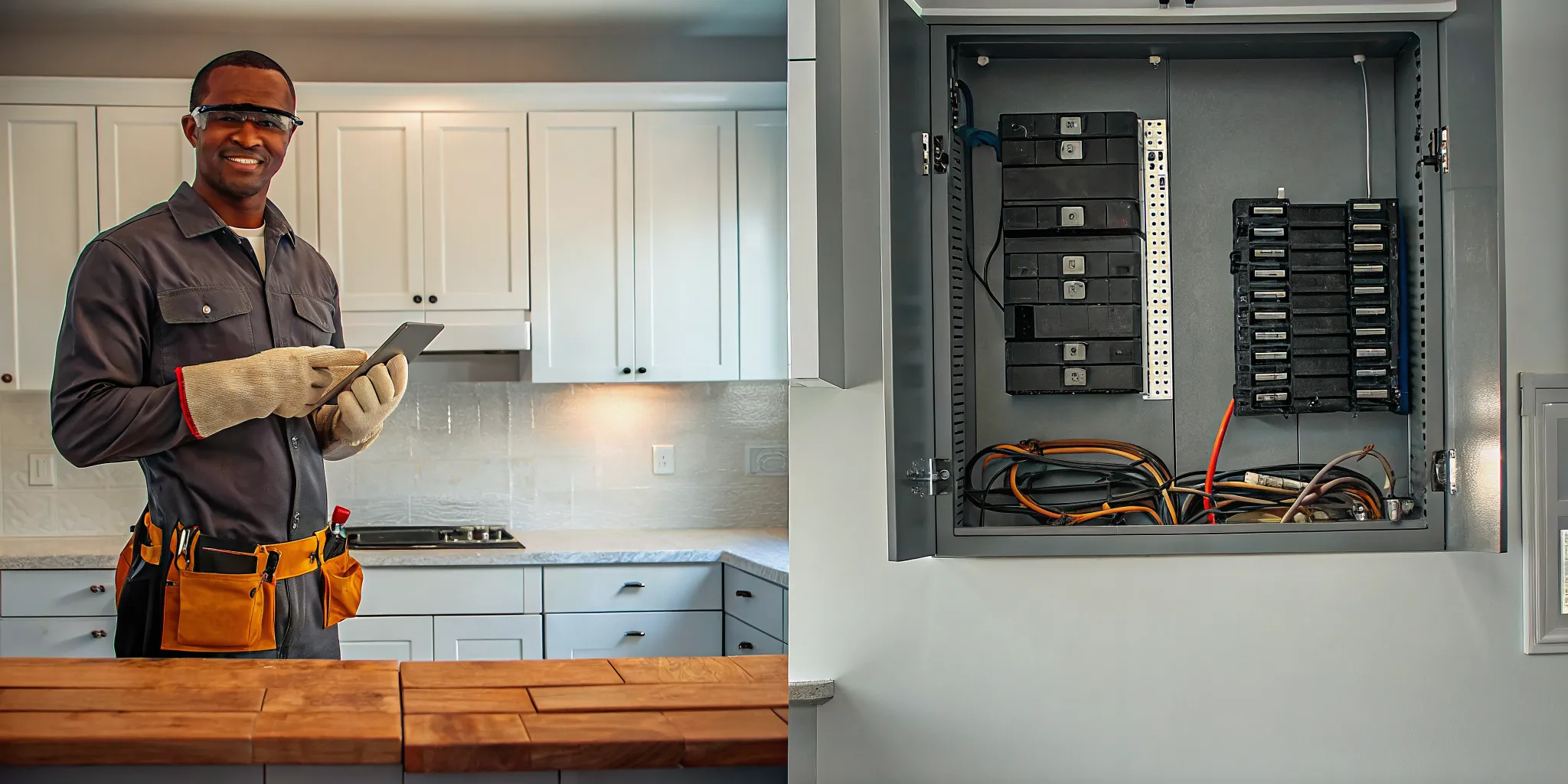
Think about all the devices currently running in your home. From your home office setup and smart speakers to high-powered kitchen appliances, our demand for electricity has never been higher. Your breaker box is the command center managing all that power, but older panels simply weren’t built for this kind of load. If you’re planning to add an EV charger or a hot tub, an upgrade is essential. This naturally leads to the question of how much to replace breaker box and upgrade your service. We’ll explore the costs associated with modernizing your electrical system to ensure it’s safe, reliable, and ready for the future.
If your breaker box replacement is part of a larger capacity upgrade, review our electrical panel upgrade cost guide to understand DFW planning ranges for 200-amp service, permits, and utility coordination.
Need Fast & Reliable Electrical Service?
Our licensed electricians are ready to help with repairs, installations, and emergency services. Get expert help you can trust today.
Key Takeaways
- Know when it’s time for an upgrade: Frequent breaker trips, flickering lights, and a panel older than 25 years are clear signs that your electrical system can no longer safely handle your home’s power needs.
- Understand the full cost: A standard replacement ranges from $1,300 to $3,000, but remember to budget for potential extras like upgrading your amperage or bringing old wiring up to code.
- Always hire a licensed electrician: This is not a DIY project; a professional ensures the job is done safely, meets all legal codes, and is properly permitted, which protects your home, your family, and your insurance coverage.
What Is a Breaker Box?
Think of your breaker box, or electrical panel, as the heart of your home’s electrical system. It’s the central hub where electricity from the utility company enters your house and gets distributed to all the different circuits. From your kitchen outlets to the bedroom lights, every electrical component is connected back to this single box. Inside, you’ll find a series of switches called circuit breakers. Each breaker is designed to protect a specific circuit from drawing too much power. If an overload or a short circuit occurs, the breaker trips, cutting off the electricity to prevent overheating and potential fires. It’s a simple but critical system that manages your home’s power safely and efficiently.
Your Home’s Electrical Command Center
Your breaker box is the main control center for all the electricity flowing through your home. It takes the main power line coming into your house and divides it into smaller, manageable circuits. Each circuit breaker inside the panel corresponds to a different area or major appliance, like the outlets in your living room or your air conditioning unit. This setup ensures that power is distributed safely and reliably where you need it. If you ever need to perform electrical repairs or shut off power to a specific room, the breaker box is where you’ll go to safely manage the flow of electricity.
How It Keeps Your Family Safe
Beyond just distributing power, the primary job of a breaker box is to keep you and your family safe. A properly functioning panel is your first line of defense against electrical hazards. It constantly monitors the electrical flow and protects against potential dangers like power surges and overloads that can lead to electrical fires. When a breaker trips, it’s doing its job by stopping a potential disaster before it starts. Investing in a modern, well-maintained electrical panel is one of the most important things you can do to ensure your home has an adequate power supply while minimizing risk.
Signs You Need to Replace Your Breaker Box
Your breaker box is the heart of your home’s electrical system, directing power where it needs to go. But like any hard-working component, it won’t last forever. An outdated or failing panel isn’t just an inconvenience; it can be a serious safety risk. Paying attention to the warning signs can help you address issues before they become major problems, keeping your home and family safe. If you notice any of the following red flags, it’s a good idea to call a professional for an inspection.
Is Your Panel Outdated?
Age is one of the biggest factors in determining if your breaker box needs a replacement. If your panel is over 25 years old, it’s likely operating on borrowed time. Electrical codes and safety standards have changed significantly over the years, and older panels often lack modern safety features like arc fault circuit interrupters (AFCIs). They also weren’t designed to handle the electrical demands of a modern household. Even if it seems to be working fine, an aging panel may not be able to provide the reliable, safe power your home needs. An inspection can determine if your older panel is still up to the task.
Spotting Physical Damage and Poor Performance
Sometimes, your breaker box will give you clear signals that something is wrong. Don’t ignore these performance issues or physical signs of wear. You may need professional electrical services if you experience frequent circuit breaker trips, which happen when the panel is overloaded. Other warning signs include lights that flicker or dim when you turn on a large appliance, a persistent burning smell, or buzzing sounds coming from the panel. You should also look for any visible rust, corrosion, or scorch marks on the panel itself. These are all indicators of a serious problem that requires immediate attention from a licensed electrician.
Can Your Panel Handle Modern Appliances?
Think about how many electronic devices your family uses compared to 20 or 30 years ago. From smart home devices and powerful computers to high-efficiency kitchen appliances, our electricity needs have grown exponentially. Many older homes have panels with 60 or 100-amp service, which is often not enough to power a modern lifestyle safely. If your breakers trip when you run the microwave and the toaster at the same time, your panel is struggling to keep up. Planning to add a major new appliance, like an EV charger or a hot tub, almost always requires a panel upgrade to handle the increased load.
How Much Does Breaker Box Replacement Cost?
Replacing your breaker box is a major home improvement project, and the cost reflects that. It’s not just about swapping out a piece of hardware; it’s about ensuring the safety and reliability of your home’s entire electrical system. The final price tag can vary quite a bit depending on the size of your home, the complexity of the job, and your specific power needs. Think of it as a crucial investment in your home’s safety and functionality for years to come. An outdated or failing panel can pose serious risks, from frequent circuit trips to potential fire hazards, so this is one upgrade you don’t want to put off.
A new breaker box ensures your electrical system can safely handle the demands of modern life. From high-powered kitchen appliances and home office setups to EV chargers and smart home technology, our electricity needs have grown significantly. An older panel simply wasn’t designed to manage this kind of load. By replacing it, you’re not only resolving existing issues like flickering lights or overloaded circuits, but you’re also future-proofing your home. This project gives you a safe, stable, and efficient power supply that you can count on. Let’s break down the numbers so you know what to expect.
Breaking Down the Average Cost
So, what’s the bottom line? For most homeowners, replacing a breaker box typically costs between $1,300 and $3,000, with the national average sitting around $1,975. Of course, this can change based on your home’s specific needs. A straightforward replacement of a 100-amp panel might fall in the $1,200 to $2,500 range. If you’re upgrading to a 200-amp panel to handle more appliances, you could be looking at a cost between $1,900 and $3,500. The overall cost to replace an electrical panel depends heavily on these factors, so it’s helpful to know what kind of system you have and what you need.
Factoring in Labor and Professional Fees
A large portion of your replacement cost will go toward labor, and for good reason. This is not a DIY job. You’re paying for the expertise of a licensed and insured electrician who knows how to handle high-voltage systems safely. Labor costs alone can range from $1,000 to over $3,000, as electricians typically charge between $50 and $150 per hour. This fee covers the complex work of disconnecting the old panel, installing the new one, and ensuring every circuit is correctly and safely connected. When you hire a professional for electrical services, you’re buying peace of mind that the job is done right.
Don’t Forget Permits and Inspections
Before any work begins, your electrician will need to pull a permit from your local municipality. This is a non-negotiable step that ensures the project is documented and meets local safety codes. These local permit fees usually range from $50 to $300. Once the installation is complete, a city inspector will visit to check the work and give it their official approval. This final inspection confirms that your new breaker box is installed correctly and is safe to operate. A reputable electrical company will handle the entire permitting and inspection process for you, making it a seamless part of the project.
What Factors Increase the Cost of Replacement?
While it’s helpful to have a ballpark figure in mind for a breaker box replacement, the final cost isn’t one-size-fits-all. Several key factors can influence the total price, turning a standard replacement into a more involved, and therefore more expensive, project. Understanding these variables will help you get a more accurate picture of your potential investment and prepare you for conversations with your electrician. Think of it less as a single product purchase and more as a customized installation for your home’s specific needs.
The biggest cost drivers usually involve work that goes beyond just swapping out the old panel for a new one. For instance, you might need to increase your home’s electrical capacity to handle modern demands from new appliances or an EV charger. In other cases, your existing wiring might need some attention to meet current safety standards, which is something an electrician can only confirm upon inspection. The panel’s physical location and any extra safety features you decide to add, like whole-home surge protection, can also affect the bottom line. Let’s look at each of these factors in more detail so you know exactly what to expect when you get a quote.
Upgrading Your Home’s Amperage
Many older homes in the Dallas-Fort Worth area were built with 60 or 100-amp electrical panels, which was plenty of power for the time. Today, with high-demand appliances, smart home technology, and EV chargers, that’s often not enough. If you’re replacing your panel, it’s the perfect time to consider an upgrade. Moving up to a 200-amp panel costs more because it requires a larger panel, thicker service cables, and more intensive labor. However, this upgrade ensures your home can safely handle your current and future electrical needs, making it a smart long-term investment in your property’s electrical services.
Bringing Wiring Up to Code
During a panel replacement, an electrician gets a close look at your home’s wiring. If they discover outdated or unsafe wiring, like old knob-and-tube systems or aluminum wiring, it will need to be addressed. Bringing your home’s electrical system up to the current National Electrical Code (NEC) is non-negotiable for safety and compliance. While this adds to the project’s cost, it’s a critical step to prevent electrical fires and ensure your system is safe. A licensed electrician will identify any code issues and include the necessary corrections in your project quote, protecting your home and family.
How Panel Location Affects the Price
Where is your breaker box located? If it’s in an easily accessible spot like a garage or basement, the labor costs will likely be standard. However, if your panel is tucked away in a tight closet, a cramped crawlspace, or another hard-to-reach area, the job becomes more complex. Electricians will need more time and effort to safely access and work on the panel, which will be reflected in the labor fees. Additionally, permit fees and labor rates can vary slightly between different cities in the DFW metroplex, which can also influence the final price.
Adding Other Safety Features
A panel replacement is an ideal opportunity to add other safety features to your home’s electrical system. Many homeowners choose to install whole-home surge protection directly at the panel, which safeguards all your electronics and appliances from power surges. You might also need an improved grounding system to meet modern safety standards. If you’re planning for major additions like a pool or a backup generator installation, your electrician may recommend other upgrades to support them. These additions will increase the initial cost but provide valuable, long-lasting protection for your home and investments.
Should You Upgrade Your Panel’s Amperage?
If you’re already replacing your breaker box, it’s the perfect time to consider if you need more power. An amperage upgrade is an investment in your home’s future, ensuring your electrical system can handle everything you throw at it, from new kitchen appliances to smart home technology. While not every home needs an upgrade, thinking about your current and future electricity usage can help you make a smart, long-term decision. A licensed electrician can perform a load calculation to determine your exact needs, but here’s what you should consider.
100-Amp vs. 200-Amp Panels: What’s the Difference?
Think of amperage as the total amount of electricity your home can use at once. A 100-amp panel was the standard for many years and is still sufficient for some smaller homes with gas appliances. However, today’s homes are filled with high-draw electronics. A 200-amp panel is now the modern standard, providing enough power for larger homes and all the devices we rely on. It safely supports more circuits, which means you can run your air conditioner, dishwasher, and computer simultaneously without worrying about tripping a breaker. Our team can assess your current setup and help you decide which panel size is right for your home’s electrical services.
Planning for Your Future Power Needs
It’s wise to choose a panel that can handle not just your current appliances but also future additions. Are you dreaming of a kitchen remodel with new, high-efficiency appliances? Do you plan to install a hot tub or swimming pool? Many homeowners are also preparing for an electric vehicle by adding an EV charger installation in their garage. Upgrading to a 200-amp panel now means you won’t have to go through another expensive replacement in a few years. It’s a forward-thinking move that adds value to your home and prepares it for whatever comes next.
Comparing the Costs of an Upgrade
The cost to replace a panel varies, but you can expect to pay more for an amperage upgrade. Replacing a 100-amp panel with a new one of the same size typically costs between $1,200 and $2,500. If you decide to upgrade to a 200-amp panel, the cost generally ranges from $2,500 to $4,500. While the upfront investment is higher, this price often includes the new panel, circuit breakers, and the complex labor required for the upgrade. Considering the added capacity and safety, many homeowners find the long-term benefits well worth the initial cost.
What to Expect During a Breaker Box Replacement
Getting a new breaker box is a big job, but it doesn’t have to be a mysterious one. Knowing what to expect can help you feel prepared and confident in the process. From the first look at your old panel to the final flip of the switch, a professional replacement follows a clear, structured path to ensure everything is done safely and correctly.
The entire project is managed by a licensed electrician who handles all the technical details, so you can rest easy. They’ll coordinate everything, including shutting off the power, performing the installation, and arranging for the final inspection. Let’s walk through the three main stages of a typical breaker box replacement.
Step 1: The Initial Assessment
Before any tools come out, a qualified electrician will visit your home to perform a thorough assessment. This isn’t just a quick glance; they’ll evaluate your current electrical panel, your wiring, and your home’s overall power consumption. This step is all about understanding your specific needs. Are you planning to install an EV charger or a new hot tub soon? They’ll factor that in to determine the right panel size for your home, ensuring it can safely handle your current and future electrical load. After this evaluation, you’ll receive a detailed quote outlining the scope of work and the total cost.
Step 2: The Installation Process
On installation day, the first thing the electrician will do is shut off all power to your home for safety. Then, they’ll carefully disconnect and remove your old breaker box. The new panel is mounted in its place, and each of your home’s circuits is methodically reconnected to the new breakers. A good electrician will also neatly label each breaker, so you’ll know exactly which one controls the kitchen outlets or the upstairs bedrooms. This part of the job typically takes several hours, so it’s a good idea to plan for a day without power. Your electrician will give you a more precise timeline beforehand.
Step 3: Final Testing and Inspection
Once the new panel is fully installed, the job isn’t quite finished. The electrician will restore power and test every single circuit to make sure everything is working perfectly and safely. They’ll check for proper voltage and ensure all connections are secure. After their internal checks are complete, the work will likely need to be inspected by a local city official. This independent inspection confirms that the installation meets all local safety codes and regulations. Passing this inspection is the final green light, giving you peace of mind that your new breaker box is safe, compliant, and ready to power your home for years to come.
Why You Should Always Hire a Licensed Electrician
When it comes to home projects, it’s tempting to roll up your sleeves and tackle the job yourself. While that approach works great for painting a room or assembling furniture, electrical work is in a completely different league. Replacing a breaker box is a complex and high-stakes task that should always be left to a professional. The reasons go far beyond just getting the job done right; they involve your safety, your home’s legal compliance, and your peace of mind. Let’s break down why hiring a licensed electrician isn’t just a good idea—it’s essential.
The Dangers of a DIY Panel Replacement
Let’s be direct: electrical work is dangerous. A single mistake when replacing a breaker box can lead to severe electrical shock or create a serious fire hazard down the road. This isn’t a project where you can watch a few online videos and hope for the best. Licensed electricians undergo extensive training to understand the complexities of electrical systems, from handling high-voltage currents to ensuring every connection is secure. They have the right tools and safety equipment to perform the job without risking injury to themselves or your family. Trusting a professional protects your home and everyone in it from the very real dangers of faulty electrical work.
Meeting Code and Insurance Requirements
Beyond the immediate safety risks, there are important rules and regulations to consider. Every city, including those in the Dallas-Fort Worth area, has specific electrical codes that must be followed for any installation to be considered legal and safe. A licensed electrician is an expert on these local requirements and will handle the necessary permits and inspections for you. This is crucial because unpermitted electrical work can cause major problems if you ever decide to sell your home. Furthermore, most homeowners insurance policies won’t cover damage, like a fire, caused by faulty wiring that wasn’t installed by a qualified professional. Hiring a pro ensures your project is fully compliant.
Ensuring a Safe, Professional Job
Ultimately, hiring a licensed electrician is an investment in your home’s safety and reliability. When you work with a professional team, you get the assurance that the job is done correctly the first time. Reputable electricians are licensed and insured, which protects you from liability and guarantees the quality of their work. A properly installed panel not only makes your home safer but can also improve its energy efficiency. Whether you need a simple repair or a full panel replacement, trusting certified electrical services ensures your home’s electrical system is in expert hands, giving you lasting peace of mind for years to come.
Common Myths About Breaker Box Replacement Costs
When it comes to big home projects, it’s easy to get caught up in misinformation, especially around cost. Replacing a breaker box is a significant investment in your home’s safety, but a few common myths can lead you down the wrong path. Let’s clear up some of the biggest misconceptions so you can make a smart, informed decision for your home and your budget.
Myth: DIY Is Always Cheaper (and Safer)
We all love a good DIY project, and it’s tempting to think you can save a few bucks by tackling electrical work yourself. But when it comes to your breaker box, this is one area where cutting corners can have serious consequences. Electrical systems are complex and dangerous if you don’t have the right training. A small mistake can lead to electrical shocks, fires, or damage to your appliances. Hiring a licensed electrician not only keeps you safe but also ensures the job is done correctly, preventing far more expensive repairs in the future. It’s an investment in safety and peace of mind that a DIY project just can’t guarantee.
Myth: The First Quote Is the Best Quote
It’s easy to assume the first estimate you get is the going rate, but that’s rarely the case. Prices for a breaker box replacement can vary quite a bit depending on the company, their overhead, and the specifics of your project. To make sure you’re getting a fair price, it’s always a good idea to get at least a few quotes from different qualified electricians in the DFW area. This allows you to compare not just the cost but also the scope of work included and the professionalism of the company. Taking the time to gather a few estimates helps you find the right electrical service provider for your needs and budget.
Myth: It’s a Quick, One-Day Job
Many people think replacing a breaker box is a simple swap that can be done in a few hours. While a straightforward panel replacement might take between four and eight hours, that’s not always the full story. If your home needs additional work, like upgrading wiring to meet current safety codes, the project can easily extend to 20 hours or more. An experienced electrician will provide a realistic timeline after a thorough initial assessment. Understanding that it might not be a one-day job helps you plan accordingly, especially since your home will be without power for a portion of the installation.
How to Prepare for Your Breaker Box Replacement
Once you’ve decided to move forward with a breaker box replacement, a little preparation can make the entire process smoother for everyone involved. Knowing what to expect helps you plan your day, manage your budget, and feel confident that you’re making the right decisions for your home. From gathering quotes to clearing the workspace, here are a few simple steps you can take to get ready for installation day.
Get and Compare Accurate Quotes
Your first step is to find the right professional for the job. It’s always a good idea to contact at least two or three licensed electricians to compare prices and services. When you reach out, insist on a professional, on-site quote that breaks down all the costs, including the panel, materials, labor, and permits. Online estimates can be a good starting point, but they often don’t capture the unique details of your home’s electrical system. An in-person assessment ensures you get an accurate price and helps you avoid any last-minute surprises.
Prepare Your Home for the Installation
On the day of the installation, your electrician will need to turn off all power to your home to work safely. Plan ahead for this outage. Charge your phones and laptops, and make arrangements if you work from home. The electrician will need clear, easy access to the breaker box, so be sure to move any furniture, boxes, or other items out of the way. The process typically involves removing the old panel, installing the new one, connecting all the circuits, and labeling everything clearly before restoring power and testing the system.
Budget for Potential Surprises
While a detailed quote covers the main job, it’s wise to budget for potential extra costs. Sometimes, replacing a panel reveals other issues. For example, your home’s wiring may need to be updated to meet current safety codes, or the panel might need to be moved to a new location. Drywall repair after the installation is another common expense to consider. Discussing these possibilities with your electrician beforehand can help you create a more realistic budget. At TLC Electrical, we provide comprehensive electrical services and prioritize clear communication so you always know what to expect.
Related Articles
- Electrical Circuit Breakers – TLC Electrical
- Panel Upgrades: Why They Matter Today – TLC Electrical
- Electrical Panel Installation – TLC Electrical
- Federal Pacific/Zinsco – TLC Electrical
- What to Know Before Upgrading Your Electrical Panel in Your DFW Home – TLC Electrical
Need Fast & Reliable Electrical Service?
Our licensed electricians are ready to help with repairs, installations, and emergency services. Get expert help you can trust today.
Frequently Asked Questions
How long will my power be out during the replacement? You should plan for your home to be without power for most of the installation day. A standard replacement typically takes between four and eight hours from start to finish. If the job is more complex, for instance, if wiring needs to be brought up to code, it could take longer. Your electrician will provide a more precise timeline before they begin so you can prepare for the outage.
Are flickering lights always a sign I need a new panel? Flickering lights are a common warning sign, particularly if they dim whenever a large appliance like your air conditioner kicks on. This often points to an overloaded circuit or an outdated panel that can’t handle the demand. However, the issue could also be something simpler, like a loose connection. The best way to know for sure is to have a licensed electrician inspect your system to diagnose the root cause.
Will a new breaker box help lower my energy bills? While a new breaker box won’t directly reduce your electricity consumption, it can contribute to a more efficient system. An old or faulty panel can struggle to distribute power effectively, which can cause your appliances to run less efficiently. By ensuring a stable and reliable flow of electricity, a modern panel supports the optimal performance of everything in your home, which can prevent wasted energy.
How do I know if I need a 100-amp or 200-amp panel? The right size depends on your home and lifestyle. A 100-amp panel may be sufficient for a smaller home that uses natural gas for major appliances like the stove and water heater. However, a 200-amp panel is the modern standard, providing enough power for larger homes, all-electric appliances, and future additions like an EV charger or a hot tub. An electrician can perform a load calculation to determine exactly what your home needs.
Is it really that bad to keep using an old but functional breaker box? Even if an old panel isn’t causing obvious problems like frequent trips, it can still be a significant safety risk. Panels that are over 25 years old were not built to handle modern electrical loads and lack the safety features found in new equipment. Continuing to use an outdated panel, especially one from a brand known to have design flaws, is a gamble. Replacing it is a proactive measure to protect your home and family from potential fire hazards.