
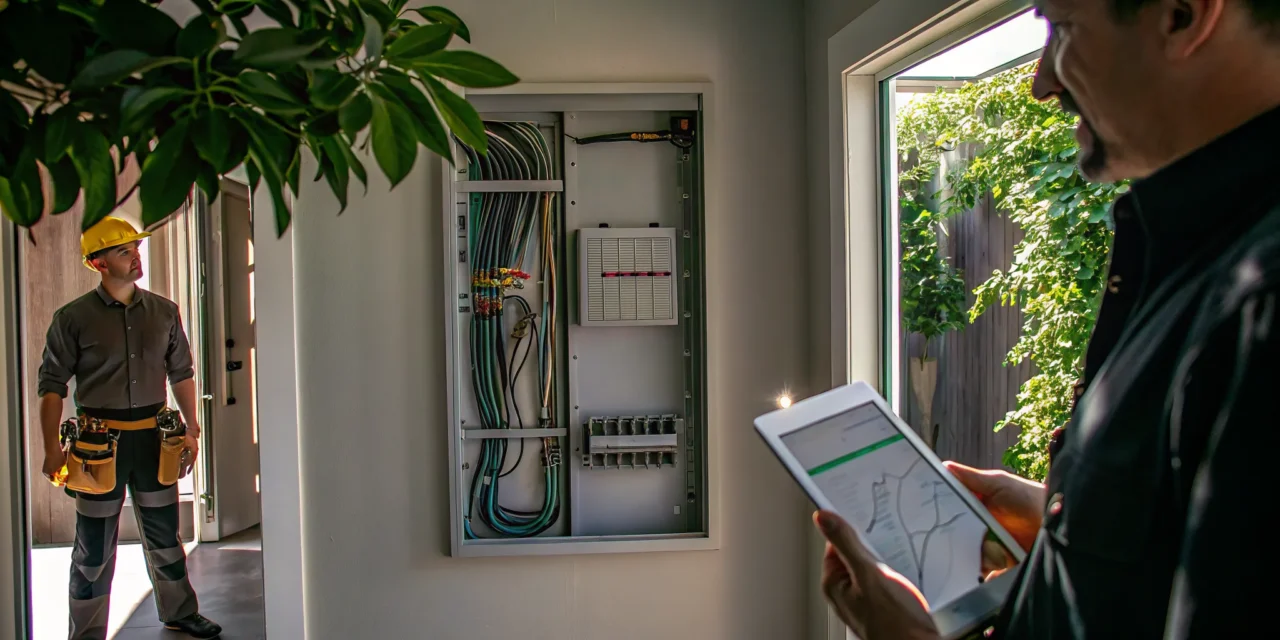
Electrical panel upgrade cost in DFW depends on more than the size of the new panel. The final price can change based on your home’s age, existing wiring, utility requirements, permit needs, available capacity, and whether the work is a simple panel replacement or a full service upgrade. For homeowners in Dallas, Fort Worth, Southlake, Frisco, and nearby suburbs, the smartest first step is understanding which cost factors apply before approving the work.
Schedule a professional panel evaluation with TLC Electrical Services if your panel is outdated, overloaded, frequently tripping, or being upgraded for a remodel, EV charger, generator, or major appliance.
What Is Included in Electrical Panel Upgrade Cost in DFW?
An electrical panel upgrade is the process of replacing or improving the equipment that distributes power throughout your home. In many DFW houses, the project may include a new breaker panel, new breakers, grounding and bonding corrections, permit coordination, utility disconnect and reconnect scheduling, and code-required safety updates.
The cost is not just the metal panel box on the wall. A qualified electrician has to evaluate the whole electrical service, including the meter, service entrance conductors, main breaker, grounding system, branch circuits, available physical space, and the load your home is expected to carry. That is why two homes with the same requested panel size can receive very different quotes.
For example, replacing a damaged panel in a newer home may be more straightforward than upgrading an older home from a smaller service to a higher-capacity service. If the utility meter base, grounding, exterior service equipment, or wiring clearances need attention, those items can affect the scope and cost.
The best way to think about electrical panel upgrade cost is as a safety and capacity project, not a one-part purchase. The goal is to give your home a code-compliant system that can safely support current electrical use and planned additions.
Why DFW Homes Often Need Panel Upgrades
Many homes across North Texas were built before today’s electrical demands became normal. Modern homeowners are adding EV chargers, high-efficiency HVAC equipment, pool equipment, home offices, smart technology, outdoor kitchens, hot tubs, workshops, and backup power systems. Each of those additions can increase the load on the electrical system.
A panel that worked well years ago may now be operating close to its limit. That does not always mean it has failed, but it does mean the system should be evaluated before more demand is added. A licensed electrician can perform load calculations and inspect the panel for signs of stress, overheating, outdated components, or unsafe modifications.
DFW weather also plays a role. Heavy summer air-conditioning use, storms, power interruptions, and older exterior service equipment can expose weaknesses in an electrical system. Homeowners may first notice the issue as nuisance breaker trips, flickering lights, or limited room for new breakers.
If you are planning a major project, panel evaluation should happen early. Waiting until the appliance, charger, pool equipment, or generator is ready to install can delay the project if the panel cannot support the new load.
What Factors Drive the Price of a Panel Upgrade?
Electrical panel upgrade cost in DFW is usually shaped by scope, access, code requirements, and the condition of the existing electrical system. The biggest pricing factors are below.
Panel Size and Electrical Capacity
One of the first questions is whether the home needs a like-for-like replacement or a higher-capacity service. A 200 amp panel is common for many modern homes, but it is not automatically the right answer for every property. The electrician should calculate the home load instead of guessing based on square footage alone.
If your project involves large new loads, such as an EV charger, additional HVAC equipment, a pool, or a workshop, the panel may need more capacity or better circuit organization. If the utility service also needs to be upgraded, the job becomes more involved than replacing the panel enclosure.
Homeowners comparing options can also review this related guide on 200 amp panel upgrade cost to understand what a higher-capacity project may include.
Condition of the Existing Panel
The age and condition of the existing panel matter. Corrosion, heat damage, missing covers, double-tapped breakers, obsolete breaker types, or improper previous repairs can increase the amount of corrective work needed. If the panel has safety issues, the electrician may need to bring related parts of the installation up to current standards.
A panel replacement can also reveal problems that were not visible from the outside. That is why a clear inspection and written scope are important. A good quote should explain what is included, what assumptions were made, and what could change if hidden conditions are found.
Meter, Service Entrance, and Utility Coordination
Some upgrades require coordination with the electric utility because power must be safely disconnected and reconnected. If the meter base, service mast, service entrance conductors, or exterior equipment needs replacement, the cost and timeline can increase.
Utility coordination is especially important for service upgrades. The electrician may need to work with the utility provider, local permitting office, and inspector before power is restored. This is one reason homeowners should avoid last-minute scheduling when possible.
Permits and Code Requirements
Electrical panel work is not the type of job to handle without proper permitting. Local code requirements can vary by city, and DFW includes many municipalities with their own inspection processes. Dallas, Fort Worth, Southlake, Frisco, Plano, Grapevine, Keller, and surrounding cities may each have different expectations for permits and inspections.
Permit and inspection steps help confirm the work is safe and compliant. They can also protect the homeowner when selling the property or filing an insurance claim. The permit cost itself may be only one part of the project, but the work needed to pass inspection can affect the total.
Grounding and Bonding Updates
Grounding and bonding help protect people and equipment by giving fault current a safe path. Older homes may have grounding systems that no longer meet current expectations, or the grounding may have been modified over time. If the electrician finds grounding or bonding issues, correcting them can be part of the panel upgrade scope.
These updates are not cosmetic. They are safety measures that support the performance of breakers and other protective devices. Skipping them to reduce cost can create risk and may fail inspection.
Breaker and Circuit Needs
The number and type of breakers also affect the project. Dedicated circuits for appliances, EV charging, pool equipment, workshops, or outdoor living spaces can add labor and materials. Some circuits may require specific protective devices depending on location and use.
If your panel is full, the solution might be a larger panel, a subpanel, circuit reorganization, or a full service upgrade. The right answer depends on the existing load and the reason you need more space.
Access and Installation Conditions
Panel location can influence labor. A panel in a clean, accessible garage may be simpler to work on than one in a tight closet, exterior wall with clearance problems, or area with finished surfaces that need protection. If the electrician needs to route new conductors, repair unsafe wiring, or correct working clearances, the project can take longer.
Accessibility also affects scheduling. Some work may require power to be off for several hours, so the electrician should explain the expected outage window and how the crew will minimize disruption.
When Should You Replace an Electrical Panel?
Cost is important, but timing matters too. Homeowners often wait until the panel creates a visible problem, yet many panel upgrades are better planned before an emergency happens.
You should schedule an evaluation if breakers trip repeatedly, lights dim when large appliances start, outlets or switches feel warm, the panel smells hot or makes noise, the panel is rusty or damaged, or you have no room for new breakers. You should also call an electrician before adding an EV charger, generator, pool equipment, hot tub, workshop equipment, major appliance, or large remodel load.
Older panels may also need attention even if they appear to be working. The issue may be outdated equipment, limited capacity, or previous work that does not meet current safety standards. If you are unsure whether replacement is necessary, start with an inspection rather than assuming the most expensive option.
For more warning signs, see TLC Electrical’s guide on when to replace an electrical panel.
If your panel is tripping, buzzing, overheating, or out of space, contact TLC Electrical Services for a clear evaluation before adding more electrical load.
How Panel Upgrades Connect to EV Chargers, Generators, and Remodels
Many DFW panel upgrades happen because the homeowner is adding something new. The panel may be part of a larger project rather than the only project.
EV charger installation is a common example. A home charger can be a major dedicated load, so the electrician has to confirm that the panel and service can support it. Sometimes the panel has enough capacity and only needs a new circuit. Other times, the service needs to be upgraded before the charger can be installed safely. TLC Electrical also provides EV charger installation for homeowners planning that next step.
Backup generators can also affect panel planning. Depending on the system, the project may include transfer equipment, load management, selected circuits, or whole-home considerations. If you are considering backup power, review TLC Electrical’s backup generator installation service before deciding what panel work is needed.
Kitchen remodels, additions, pool equipment, and outdoor living projects can create similar questions. New circuits, dedicated appliance loads, and code-required protection can all change the electrical plan. The panel upgrade should be designed around the complete project, not treated as a separate afterthought.
How to Read an Electrical Panel Upgrade Quote
A panel upgrade quote should be clear enough for a homeowner to understand what is included. The lowest price is not always the best value if it leaves out permits, grounding work, utility coordination, cleanup, or code-required corrections.
When reviewing a quote, look for the panel size, breaker details, whether the meter or service equipment is included, permit handling, inspection coordination, grounding and bonding work, estimated power outage time, warranty information, and any exclusions. Ask whether the quote is for a panel replacement only or for a full service upgrade.
It is also reasonable to ask why the electrician recommends a particular panel size or scope. A professional should be able to explain the load calculation, safety concerns, and practical reasons behind the recommendation in plain language.
TLC Electrical’s approach is based on upfront pricing, clear explanations, and professional electrical service. That matters because panel work affects both daily convenience and household safety.
Can You Upgrade an Electrical Panel Yourself?
No. Electrical panel upgrades should be handled by a licensed electrician. This work involves high-risk electrical equipment, utility coordination, code compliance, grounding, permits, inspections, and decisions that affect the safety of the entire home.
DIY panel work can create shock, fire, insurance, resale, and inspection problems. Even if a homeowner can physically buy parts, that does not mean the installation is safe or legal. Panel work is also not the place for a handyman shortcut or an unpermitted weekend repair.
A licensed electrician can identify hidden problems, select compatible equipment, follow local requirements, and verify the system is safe before it is placed back into service. For DFW homeowners, that professional evaluation is part of controlling cost because it prevents guesswork and reduces the chance of failed inspections or repeat work.
How DFW Location Can Affect Panel Upgrade Timing
Because TLC Electrical serves communities across the Dallas-Fort Worth area, location can affect scheduling and coordination. Different cities may have different permitting timelines, inspection processes, and local requirements. A project in Southlake may not follow the exact same administrative path as one in Frisco, Dallas, Fort Worth, Keller, Grapevine, or Plano.
Utility coordination can also affect the timeline. If power must be disconnected, the electrician has to schedule the work in a way that protects the home and limits downtime. During busy seasons, especially when homeowners are planning summer electrical projects, it is better to schedule early.
Local experience matters. An electrician who regularly works in DFW communities is more likely to understand common home ages, neighborhood electrical patterns, and city-level inspection expectations.
How to Prepare for a Panel Evaluation
You can make the evaluation more useful by gathering basic information before the electrician arrives. Note the symptoms you have seen, such as breaker trips, flickering lights, burning smells, buzzing sounds, warm panel areas, or appliances that seem to strain the system. Also list upcoming projects that may need power, including EV charging, generators, hot tubs, pool equipment, workshops, HVAC changes, or remodels.
Make sure the panel area is accessible. Move stored items away from the panel so the electrician can inspect it safely. If you have past electrical invoices, inspection notes, or remodel plans, have them available. These details can help the electrician understand what has changed over time.
During the visit, ask what the electrician sees, what must be corrected for safety, what is optional, and what could affect the final price. A strong evaluation should leave you with a clear understanding of your panel’s condition and the next best step.
Electrical Panel Upgrade Cost FAQs
How much does an electrical panel upgrade cost in DFW?
The cost depends on the panel size, existing service equipment, permit requirements, utility coordination, grounding needs, breaker requirements, and whether the home needs a simple panel replacement or a full service upgrade. A licensed electrician should inspect the system before giving a reliable quote.
Is a 200 amp panel always necessary?
No. A 200 amp panel is common, but the right capacity depends on the home’s electrical load and planned additions. The electrician should perform a load evaluation before recommending panel size.
How long does a panel upgrade take?
Some panel replacements may be completed in a day, while larger service upgrades can take longer because of permits, inspections, utility scheduling, or related repairs. Your electrician should explain the expected timeline before work begins.
Will my power be off during the upgrade?
Yes, panel replacement or service upgrade work usually requires a planned power outage. The length of the outage depends on the scope of work and any utility or inspection requirements.
Do I need a permit for a panel upgrade?
Panel upgrades commonly require permits and inspections. Requirements vary by city, so homeowners should work with a licensed electrician who understands the local DFW permitting process.
Schedule a Professional Panel Evaluation in DFW
Electrical panel upgrade cost in DFW is best understood after a professional inspection. The right electrician will look beyond the panel label and evaluate capacity, wiring, grounding, utility requirements, code needs, and your future plans for the home.
TLC Electrical Services has served the Dallas-Fort Worth area since 2003 with licensed, insured, and experienced electricians focused on safe, reliable electrical work. If your panel is outdated, overloaded, damaged, or not ready for your next project, schedule an evaluation before the problem grows.
Ready to understand your options? Contact TLC Electrical Services or call (817) 424-2684 to schedule service for your DFW home.