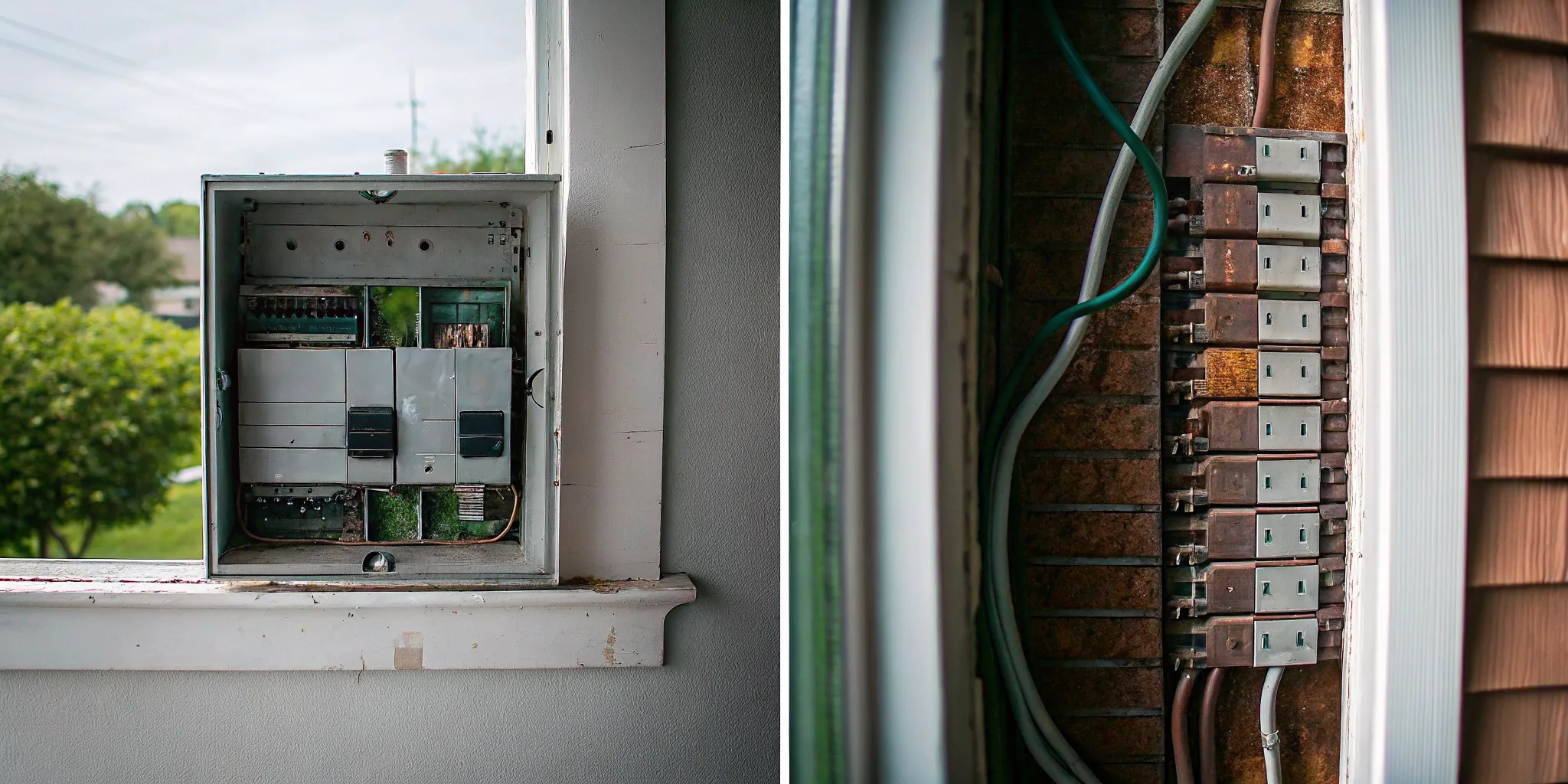
When you think about home improvements, you probably picture a new kitchen or bathroom. However, one of the most valuable upgrades you can make is one you’ll rarely see. An outdated electrical panel can be a major red flag for home insurance companies, leading to higher premiums or even denial of coverage. It can also be a dealbreaker for potential buyers. Upgrading your panel is a smart investment that adds safety, functionality, and long-term value to your property. This guide explains the practical benefits and provides the essential information you need to decide when to replace electrical panel for a safer, more valuable home.
Need Fast & Reliable Electrical Service?
Our licensed electricians are ready to help with repairs, installations, and emergency services. Get expert help you can trust today.
Key Takeaways
- Know the warning signs: Constantly tripping breakers, flickering lights, and burning smells are not minor issues; they are clear signals that your electrical panel is overloaded and requires a professional inspection.
- Check your panel’s age and brand: If your panel is over 20 years old or is a known hazardous brand (like FPE or Zinsco), it likely poses a fire risk because it was not built to handle today’s power needs.
- View an upgrade as a smart investment: A new panel makes your home safer, supports modern appliances and EV chargers, increases property value, and can potentially lower your home insurance costs.
What Does Your Electrical Panel Do?
Think of your electrical panel, often called a breaker box, as the command center for your home’s power system. It’s the central hub that takes electricity from the utility provider and sends it to every part of your house. From your kitchen appliances and living room lights to the charger for your phone, the panel is what makes it all work. It’s the starting point for all the electrical services that keep your home running smoothly and safely. Without it, you wouldn’t be able to power the devices you rely on every day.
But the panel does more than just direct traffic. Its most important job is to protect your home. Inside the panel, you’ll find circuit breakers, which are special switches designed to monitor the flow of electricity. If a circuit becomes overloaded with too much electrical current, the breaker “trips,” or shuts off the power to that specific area. This simple action is a critical safety feature that helps prevent electrical fires and protects your appliances from damage. A properly functioning panel is your first line of defense against serious electrical problems.
How Long Do Electrical Panels Last?
Think of your electrical panel as the heart of your home’s electrical system. Just like any other major component, it has a lifespan. Most electrical panels are built to last between 20 and 50 years. After a few decades, internal parts can wear out, connections can loosen, and the panel may no longer be able to safely handle your home’s power demands. An older panel wasn’t designed for the number of gadgets and high-powered appliances we use today, which can lead to safety issues. If you suspect your panel is nearing the end of its life, it’s always best to have a professional assess its condition and recommend the right electrical services.
Signs Your Panel Is Getting Old
Age is more than just a number when it comes to electrical panels. If your panel is over 25 years old, it’s a good idea to have it inspected. Panels in this age range were not built to support the demands of modern life, from EV chargers to smart home devices. Over time, the internal components can degrade or rust, making them less reliable and potentially unsafe. While a panel might look fine on the outside, its internal workings could be a different story. An inspection can determine if your panel is still up to the job or if it’s time for an upgrade.
Problematic Panel Brands That Require an Upgrade
Sometimes, the issue isn’t just age but the brand of the panel itself. Certain electrical panels installed in homes decades ago are now known to have significant manufacturing defects and pose serious safety risks. Brands like Federal Pacific Electric (FPE), Zinsco, Challenger, and Pushmatic have been linked to electrical failures and house fires. These panels were widely used during their time, so it’s not uncommon to find them in older homes across the Dallas-Fort Worth area. If you discover one of these brands in your home, you should prioritize a replacement, regardless of its apparent condition.
Federal Pacific Electric (FPE) Panels
Federal Pacific Electric panels, particularly their “Stab-Lok” breakers, are notorious for their failures. The main problem is that the breakers often fail to trip during an overcurrent or short circuit. This means the power doesn’t shut off when it should, allowing wires to overheat and creating a significant fire hazard. Many experts consider FPE panels to be unsafe, and most licensed electricians will recommend an immediate replacement upon finding one.
Zinsco Panels
Zinsco panels have a critical design flaw that can cause them to overheat and melt. When a circuit is overloaded, the breaker is supposed to trip, but Zinsco breakers have been known to fuse to the panel’s bus bar. This prevents the breaker from tripping and can lead to a fire. Because of this well-documented risk, Zinsco panels are no longer considered safe and should be replaced.
Challenger Panels
Challenger panels and their circuit breakers have also been flagged for safety issues. Similar to FPE and Zinsco panels, their breakers may fail to trip during an overload, leaving your home’s wiring unprotected. These panels were the subject of safety recalls, and while some may have been “repaired,” the underlying risks often remain. If you have a Challenger panel, it’s wise to have it evaluated for a full replacement.
Pushmatic Panels
While not as notoriously dangerous as FPE or Zinsco, Pushmatic panels present their own set of problems. These panels are simply outdated. Their push-button breakers can become weak over time, making them difficult to reset or prone to tripping unnecessarily. Parts for these panels are no longer manufactured, making repairs impossible. More importantly, they lack the modern safety features of today’s panels and should be upgraded to meet current electrical codes.
8 Signs You Need a New Electrical Panel
Your electrical panel is the heart of your home’s electrical system, distributing power to every outlet and appliance. But like any other component of your house, it doesn’t last forever. An outdated or failing panel isn’t just an inconvenience; it’s a serious safety risk. If you’re noticing some strange electrical behavior, don’t ignore it. Your home might be telling you it’s time for an upgrade. Here are eight key signs that you need a new electrical panel.
1. Your Breakers Trip Constantly
A circuit breaker that trips occasionally is just doing its job, protecting your circuits from overloads. But if you find yourself constantly heading to the panel to reset breakers, you have a problem. This frequent tripping is a clear signal that your home’s electrical demand is more than your panel can handle. It’s overloaded and struggling to keep up, which means it’s time to consider an upgrade to a panel that can meet your modern power needs.
2. You Notice Burning Smells or Scorch Marks
This is a red flag you should never ignore. A distinct burning smell coming from your electrical panel, or any visible scorch marks on the panel itself, indicates dangerous overheating. This could be caused by a bad breaker or loose wiring, both of which are significant fire hazards. If you see or smell this, don’t wait. It’s crucial to call a licensed electrician for an immediate inspection.
3. Your Lights Flicker When Appliances Turn On
Do your lights dim or flicker whenever you turn on the microwave or air conditioner? This happens when a large appliance draws a significant amount of power, causing a temporary drop in voltage across the circuit. While it might seem like a minor annoyance, it’s a classic symptom of an outdated or undersized electrical system that can’t provide a steady supply of power to your entire home.
4. Your Home Still Uses a Fuse Box
If your home was built before the 1970s, you might have a fuse box instead of a modern circuit breaker panel. Fuse boxes were not designed to handle the electrical load of today’s homes, which are filled with computers, high-definition TVs, and countless other gadgets. Fuses are also less convenient, as they must be replaced when they blow. Upgrading to a breaker panel is a critical step for both safety and functionality.
5. You’re Adding Major Appliances or Renovating
Planning a big home renovation or looking to add a major new appliance? Whether it’s a new hot tub, an electric vehicle charger, or a second air conditioning unit, these additions place a heavy demand on your electrical system. Your current panel may not have the capacity to handle the extra load. A professional can perform a load calculation to see if you need a panel upgrade to safely power your new EV charger installation or other home improvements.
6. You Rely on Power Strips and Extension Cords
Take a look around your home. If every outlet has a power strip or extension cord plugged into it, it’s a sign that your electrical system isn’t meeting your needs. While they seem like a simple solution, relying on multiple power strips can overload your circuits and create a fire hazard. This dependence often points to a larger issue: an insufficient number of outlets and an electrical panel that can’t support more circuits.
7. Your Panel Shows Signs of Rust or Corrosion
Your electrical panel should always be clean and dry. If you see any rust or signs of corrosion on the breakers or the metal box, it means moisture has gotten inside. Water and electricity are a dangerous mix that can lead to short circuits and system failure. Corrosion on the electrical connections can also cause overheating. This is a serious issue that compromises the safety of your entire system and requires professional attention.
8. Your Panel Is Over 20 Years Old
Electrical panels typically have a lifespan of 20 to 40 years. If your panel is approaching or exceeding this age, it’s likely not equipped to handle modern electrical loads, and it may not meet current safety codes. Even if it seems to be working fine, internal components can wear out over time. Having an older panel inspected is a smart move, and replacing it is a proactive way to ensure your home’s electrical services are safe and reliable for years to come.
The Real Safety Risks of an Outdated Panel
An old electrical panel isn’t just an inconvenience; it’s a serious safety liability hiding in your walls. While it’s easy to ignore what you can’t see, the risks associated with a failing or outdated panel are significant. From fire hazards to electrical shocks, these dangers put your home, your family, and your property at risk. Understanding these threats is the first step toward making an informed decision about an upgrade. It’s not about keeping up with the latest technology; it’s about ensuring your home’s electrical system can safely handle your daily power needs. An outdated panel struggles to manage the demands of modern life, from charging electric vehicles to running multiple high-draw appliances, and that strain can lead to catastrophic failures. The components inside can wear out, connections can loosen, and safety features that were once adequate are now obsolete. Ignoring these issues is like driving a car with faulty brakes; it might work for a while, but you’re taking a huge gamble. Let’s walk through the most critical safety issues that an old panel can create so you can spot the red flags in your own home and take action before a minor issue becomes a major emergency.
Fire Hazards from Faulty Wiring
One of the most frightening risks of an old electrical panel is the potential for fire. If you ever notice a burning smell, hear buzzing sounds, or see black scorch marks near your panel, treat it as an emergency. These are telltale signs that the internal wiring may be loose, corroded, or melting. Over time, connections can degrade, leading to arcing (sparks) that can ignite surrounding materials. This isn’t a DIY situation. If you notice any of these warning signs, you should immediately call a licensed electrician to inspect the system and prevent a potential disaster.
Frequent Circuit Overloads
Do you find yourself constantly heading to the breaker box to reset a tripped circuit? While a breaker tripping is a safety feature doing its job, frequent trips are a red flag. It signals that your panel is overloaded and can’t handle your home’s electrical demand. When a circuit is consistently pushed beyond its limit, it generates excess heat, which can damage the breaker, melt wire insulation, and create a fire hazard. This is especially common in older homes that weren’t designed for modern appliances, from air fryers to high-powered computers.
Shock Hazards from Poor Grounding
Modern electrical panels are equipped with advanced safety features like Arc Fault Circuit Interrupters (AFCIs) and Ground Fault Circuit Interrupters (GFCIs). These devices are designed to shut off power in milliseconds if they detect dangerous electrical faults, protecting you from shock and electrocution. Many older panels lack these life-saving features and may have inadequate grounding. This is especially dangerous in moisture-prone areas. Upgrading your panel ensures you have the proper mechanisms to protect areas around water, like kitchens, bathrooms, and pools.
Failure to Meet Modern Safety Codes
Electrical codes are updated regularly to incorporate new safety standards and technologies. While your older panel might be “grandfathered in,” meaning it was compliant when installed, it doesn’t meet today’s safety benchmarks. This can be a problem when you sell your home or if you need to get new insurance. More importantly, it means your home is not as safe as it could be. A panel upgrade brings your home’s electrical system up to current standards, giving you peace of mind and ensuring your property is protected by the latest safety requirements.
How to Prepare for a Panel Replacement
Once you’ve decided to move forward with a panel replacement, a little preparation goes a long way. Taking a few key steps beforehand ensures the installation process is smooth, safe, and efficient for both you and your electrician. Here’s what you can do to get ready for the upgrade.
Assess Your Home’s Power Needs
Before your electrician arrives, take stock of your family’s electricity usage. Think about all the devices you run daily, plus any future additions you’re planning. Are you adding a home office, a new hot tub, or maybe an EV charger installation? These high-draw items impact how much power your home needs. While a typical home might get by with a 100-amp panel, many modern households, especially larger ones with more electronics, benefit from a 200-amp panel. Having a clear picture of your power consumption helps us recommend the perfect panel size to meet your needs now and in the future.
Contact Your Utility Company
Replacing an electrical panel isn’t a job that happens in a vacuum; it requires coordination with your local utility provider. In most cases, the utility company will need to temporarily disconnect power to your home to allow for a safe installation. They also have their own set of rules and requirements for service upgrades, and a site visit might be necessary to ensure everything is up to their standards. When you work with a professional for your electrical services, we can handle this communication for you, making sure all the boxes are checked for a seamless transition.
Understand Local Permit Requirements
Electrical work, especially a major project like a panel replacement, almost always requires a permit from your local city or county. This isn’t just red tape; permits ensure the work is performed to the latest safety codes, protecting your home and family. The International Association of Electrical Inspectors advises homeowners to always check with their local building department first. Skipping this step can lead to fines and may cause issues if you decide to sell your home later. A licensed electrician will know exactly which permits are needed for projects like a backup generator installation and will manage the entire process for you.
Clear the Area for Your Electrician
One of the easiest and most helpful things you can do is prepare the workspace for your electrician. The area around your electrical panel needs to be completely clear of furniture, storage boxes, decorations, and any other obstacles. This gives our technicians the space they need to work safely and efficiently without worrying about tripping or damaging your belongings. A clear path from the door to the panel is also appreciated. This simple step helps the job go faster and ensures our team at TLC Electrical can focus entirely on getting your new panel installed correctly and safely.
What to Expect During Your Panel Upgrade
An electrical panel upgrade might sound like a big project, but knowing what to expect makes the process much smoother. A professional electrician can typically complete the job in a single day, handling everything from the initial assessment to the final inspection to ensure your home’s electrical system is safe, reliable, and ready for the future.
Hiring a Licensed and Insured Professional
First things first: always hire a licensed and insured professional. Electrical work is complex and dangerous, making it a job you should never attempt yourself. A qualified electrician will perform the upgrade safely and according to code. They handle everything from securing permits to coordinating with the utility company, giving you peace of mind throughout the entire electrical services process.
Choosing the Right Panel Size and Capacity
Your electrician will help you select the right panel size. While many older homes have 100-amp panels, modern households often need more power for large appliances and EV chargers. A 200-amp panel is now standard for most new homes and major renovations. Your electrician will perform a load calculation to assess your power needs and recommend the appropriate panel size to prevent overloads and support your lifestyle.
Addressing Old or Damaged Wiring
During the upgrade, your electrician will inspect the wiring connected to the panel. Signs like burning smells, scorch marks, or buzzing sounds indicate a serious fire risk from loose or deteriorating wires. A professional will identify and replace any faulty wiring to ensure a secure connection to the new breakers. This is a critical step that significantly improves the safety of your home’s entire electrical system.
Passing Final Safety Inspections
After the new panel is installed, the work must pass a final inspection by a local building inspector to ensure it meets all current safety codes. This step is non-negotiable, and your electrician will coordinate it for you. A successful inspection is your official confirmation that the panel was installed correctly and your home is safe. It also provides necessary documentation for your records and home insurance.
Can a New Panel Affect Your Home Insurance?
Yes, the state of your electrical panel can absolutely affect your home insurance. Think of it from your insurer’s perspective: their job is to assess risk. An old, outdated, or recalled electrical panel is a significant fire hazard, which makes it a major risk for them. If your home is equipped with a panel from a brand known for failures, like Federal Pacific Electric (FPE) or Zinsco, your insurance company might charge you higher premiums. In some cases, they may even refuse to insure your home until you get a replacement.
Upgrading your panel isn’t just about keeping your home safe; it’s also a financially savvy move. A modern panel demonstrates that you are a proactive homeowner who invests in safety and maintenance. When you reduce the risk of an electrical fire, insurance providers see your home as a safer bet. Before you even call your insurance agent, it’s wise to have a professional perform an inspection. A licensed electrician can assess your current system and provide the necessary documentation for a new, compliant panel, which can be a powerful tool when discussing your policy. This simple step can lead to lower premiums and greater peace of mind.
How an Upgrade Can Lower Your Premiums
If you’re looking for a practical way to reduce your home insurance costs, upgrading your electrical panel is a great place to start. When you replace an old or hazardous panel, you are actively removing a major liability from your property. Insurance companies recognize this and often reward it with lower premiums. The key is to be proactive. Once your new panel is installed by a licensed professional, contact your insurance agent. Let them know about the upgrade and be prepared to provide documentation from the electrician. The savings on your monthly or yearly premium can be substantial, helping to offset the initial cost of the replacement over time.
Adding Long-Term Value to Your Home
A new electrical panel is one of those behind-the-scenes upgrades that adds serious long-term value to your home. For starters, it’s a huge selling point. A modern, safe panel tells potential buyers that your home is well-maintained and can handle the demands of today’s technology. It ensures the house is ready for additions like a new hot tub or an EV charger installation without needing major electrical work. This not only makes your home more appealing but can also increase its overall market value. You’re not just investing in safety; you’re investing in your property’s future and its appeal to the next generation of homeowners.
Upgrade Your DFW Home’s Electrical Panel with TLC Electrical
Your electrical panel is the heart of your home’s electrical system, but it can’t work forever. If your panel is more than 25 years old, it likely wasn’t built to handle the demands of modern life. Between high-efficiency appliances, home office setups, and all our personal devices, we ask a lot more from our electrical systems than we used to. An outdated panel can struggle to keep up, leading to performance issues and, more importantly, serious safety risks.
If you find yourself constantly resetting tripped breakers, notice your lights flicker when an appliance turns on, or detect a burning smell from your panel, it’s time to pay attention. These aren’t just minor annoyances; they are warning signs that your system is overloaded. Certain older brands, like Federal Pacific and Zinsco, are especially known for being unsafe and can fail to trip when they should, creating a significant fire hazard. When it comes to your home’s safety, waiting for a problem to occur is a risk not worth taking.
At TLC Electrical, we specialize in helping Dallas-Fort Worth homeowners bring their electrical systems up to modern safety standards. Our licensed and insured electricians can perform a full range of electrical services, including replacing outdated panels with new ones that can safely power your home for years to come. We’ll assess your current setup, discuss your future power needs, and ensure your upgrade is handled professionally. If you have any concerns about your electrical panel, contact us today to schedule an inspection and get the peace of mind you deserve.
Related Articles
- Panel Upgrades: Why They Matter Today – TLC Electrical
- What to Know Before Upgrading Your Electrical Panel in Your DFW Home – TLC Electrical
- Our Blog – TLC Electrical
Need Fast & Reliable Electrical Service?
Our licensed electricians are ready to help with repairs, installations, and emergency services. Get expert help you can trust today.
Frequently Asked Questions
How long will my power be out during a panel replacement? This is a top concern for most homeowners, and for good reason. For a standard panel replacement, you can typically expect the power to be off for about four to eight hours. Our electricians work efficiently to handle the entire process, including coordinating with the utility company, to get your new panel installed and your power restored on the same day. We do our best to minimize the disruption to your routine.
My panel isn’t one of the dangerous brands you mentioned, but it’s over 25 years old. Is an upgrade still necessary? Even if your panel isn’t a known hazardous brand, age itself is a major factor. Panels over 25 years old simply were not designed for the electrical loads of a modern home, and their internal components can degrade over time, leading to poor connections and overheating. Think of it as proactive maintenance for your home’s safety. Upgrading an older panel ensures it can handle your power needs and meets current safety codes, preventing problems before they start.
Can I just replace a few bad breakers instead of the whole panel? In some cases, replacing a single faulty breaker is a sufficient fix. However, if you have multiple breakers that trip often, or if the panel itself is old, replacing just one part can be like putting a small patch on a bigger problem. The issue might stem from the panel’s internal connections or its overall capacity. A professional inspection can determine the root cause, but if the panel is outdated or undersized, a full replacement is the safest long-term solution.
What’s involved in a “load calculation”? A load calculation is a professional assessment we perform to determine your home’s total electrical needs. We account for your home’s square footage, major appliances like your HVAC system and water heater, and any special equipment you have or plan to add, such as a hot tub or an EV charger. This calculation gives us a precise picture of your power usage, which helps us recommend the correct panel size so your system runs safely and efficiently without overloads.
Will a new panel really save me money on my home insurance? Yes, it often can. Insurance companies view outdated or recalled electrical panels as a significant fire risk, which can lead to higher premiums or even difficulty getting coverage. By upgrading to a modern, code-compliant panel, you are actively reducing that risk. After the installation is complete and has passed inspection, you should contact your insurance agent with the documentation. Many providers will offer a discount for this important safety improvement.