

An undersized generator or poorly planned transfer switch becomes obvious when DFW power fails. Choosing an installer before checking credentials, load calculations, permits, and service support can turn backup power into an expensive delay.
Need a safer plan for backup power? Schedule a backup generator consultation with TLC Electrical.
Generac installer in DFW selection should begin with verified generator experience, a home-specific load calculation, and a clear installation plan. Ask who will size the unit, install the automatic transfer switch, confirm fuel and electrical requirements, and handle local permits and inspections. During an outage, an automatic transfer switch signals a standby generator to provide power, as Pacific Northwest National Laboratory explains. Compare written quotes by equipment scope, warranty support, scheduled maintenance, and the questions answered before installation day. That process helps homeowners choose reliable backup power without basing a major electrical project on price alone. It also shows whether the contractor can explain the work clearly before your home depends on it.
The first decision is not generator brand alone; it is whether the contractor can support safe, code-conscious installation at your DFW home. Start your comparison with Generac installer in DFW: what to verify first before any installation appointment is set. Here’s how.
Generac installer in DFW: what to verify first
A home standby generator is not a simple equipment purchase. It becomes part of the home’s electrical system and must work safely during an outage. When comparing a Generac installer in DFW, start with the installer, the planned load, and the scope in writing.
Installer qualifications and local fit
Ask whether the work will be led by a licensed electrician. Then confirm that the installer is Generac certified. A qualified quote should also state who handles permits and inspections in your city.
Permit steps can vary by location. For example, a Texas residential generator guide lists plan review and inspection needs in its residential permit process. An installer should know the rules for your DFW city and explain them before work starts.
Local experience also matters because DFW homes and service panels are not all alike. TLC Electrical is a woman-owned, independent DFW company serving the area since 2003. TLC also identifies its generator team as Generac certified, giving homeowners clear points to verify.
A short comparison checklist
Ask each company for the same facts before selecting an installer. You can then compare cost and scope without guessing about missing work.
- Verify the electrician’s license and Generac certification.
- Ask who obtains local permits and schedules inspections.
- Require a load calculation for the circuits you need during an outage.
- Confirm the transfer switch type, location, installation, and testing.
- Get a written estimate listing equipment, labor, permit work, and exclusions.
- Ask for the maintenance plan, service schedule, and support contact.
The transfer switch is a key part of that scope. During an outage, an automatic transfer switch signals a standby generator to provide power. The Pacific Northwest National Laboratory explains this system step. A quote naming only the generator unit does not show the full plan.
Written scope and long-term service
A clear proposal should match generator size to the home’s chosen loads. It should not offer a unit without an assessment. The document should state which circuits are backed up, where equipment goes, and who tests the system after startup.
Also ask what service follows installation. Planned maintenance supports readiness because the system must run when utility power is out. A plan should name the schedule, included checks, repair contact, and any service limits.
TLC’s TLC Electrical generator installation services describe installation and maintenance for residential backup power. Look for that detail in each proposal: clear scope, local accountability, and support after installation.
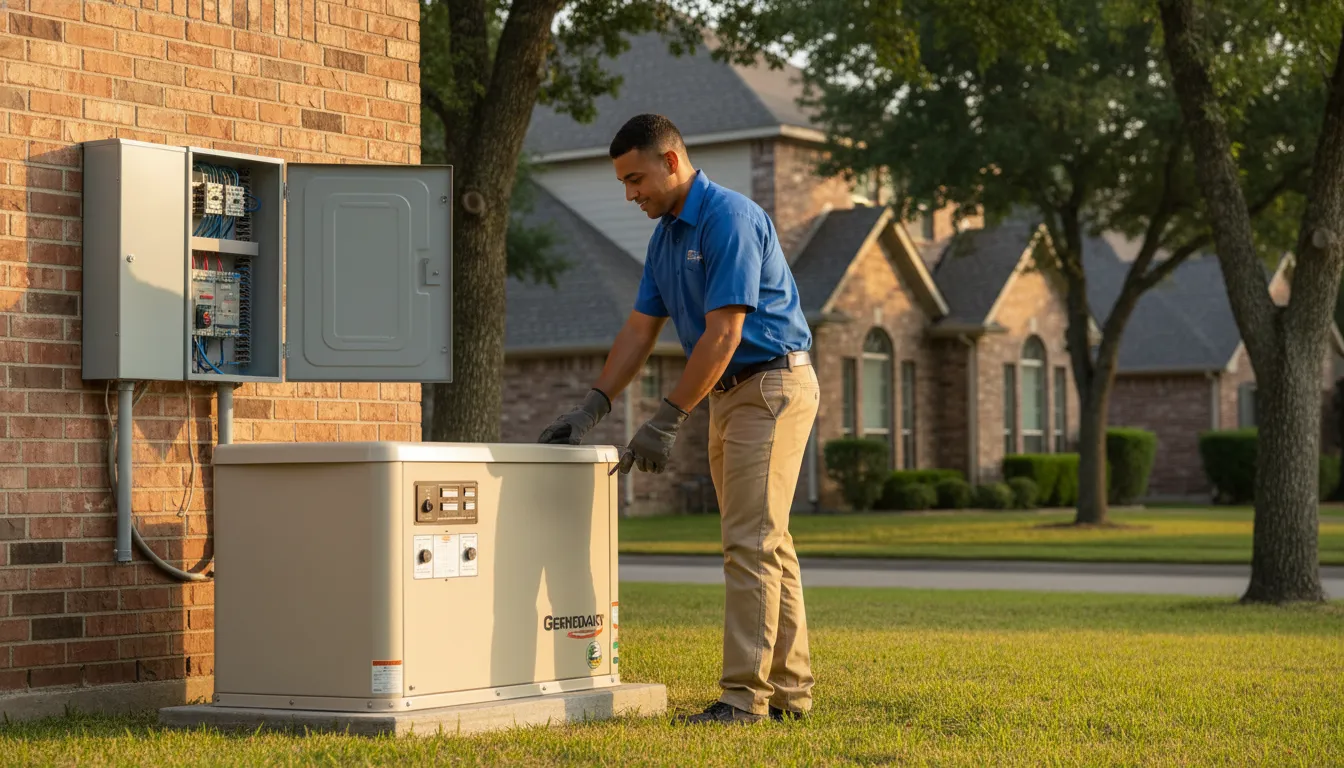
How should your installer size a Generac generator?
A correctly sized standby generator starts with a load plan, not a guess. When meeting with a Generac installer in DFW, decide which parts of your home must run during an outage. This choice guides equipment size, transfer switch planning, and installation cost.
Essential circuits or whole-home backup
Essential-circuit backup keeps selected needs powered, such as refrigeration, lights, internet equipment, garage access, and chosen outlets. It can be a sound plan when you do not need every appliance running at once. Whole-home backup takes a broader view because the system must account for more circuits and larger comfort loads.
Your installer should explain which loads are included before recommending a unit. Standby power also depends on safe transfer from utility service to generator power. During an outage, an automatic transfer switch signals a standby generator to start and provide power.
HVAC starting loads and load management
Air conditioning often shapes the sizing conversation in a DFW home. An HVAC compressor can demand extra power as it starts, even if its normal running load is lower. An installer should check equipment data and the planned starting sequence, not base a proposal on square footage alone.
Load management can keep the plan practical. Controls may delay certain high-demand loads while the generator supplies a priority load. For example, a homeowner may choose cooling and refrigeration before a secondary appliance. This approach can support key circuits without paying for capacity you do not plan to use.
A useful load review records the equipment that affects daily life and the generator choice. It should separate needs from items that may remain off during an outage.
- Must-run loads, such as refrigeration, medical equipment, lights, or selected outlets.
- High-demand loads, such as HVAC equipment, electric cooking, pool equipment, or charging equipment.
- Loads that controls can pause until a priority circuit is no longer drawing power.
Panel review before a recommendation
Your installer should review the main electrical panel, circuit layout, service details, and intended transfer equipment. The review shows what must be backed up and which loads can wait. Residential standby generators typically operate on a single electric phase.
Ask for a written scope that names the backed-up loads and any managed loads. You can review the work covered by TLC Electrical’s backup generator installation experts in DFW before your assessment. Accurate sizing is part of professional installation, since a guess can mean too little capacity or payment for unused capacity.
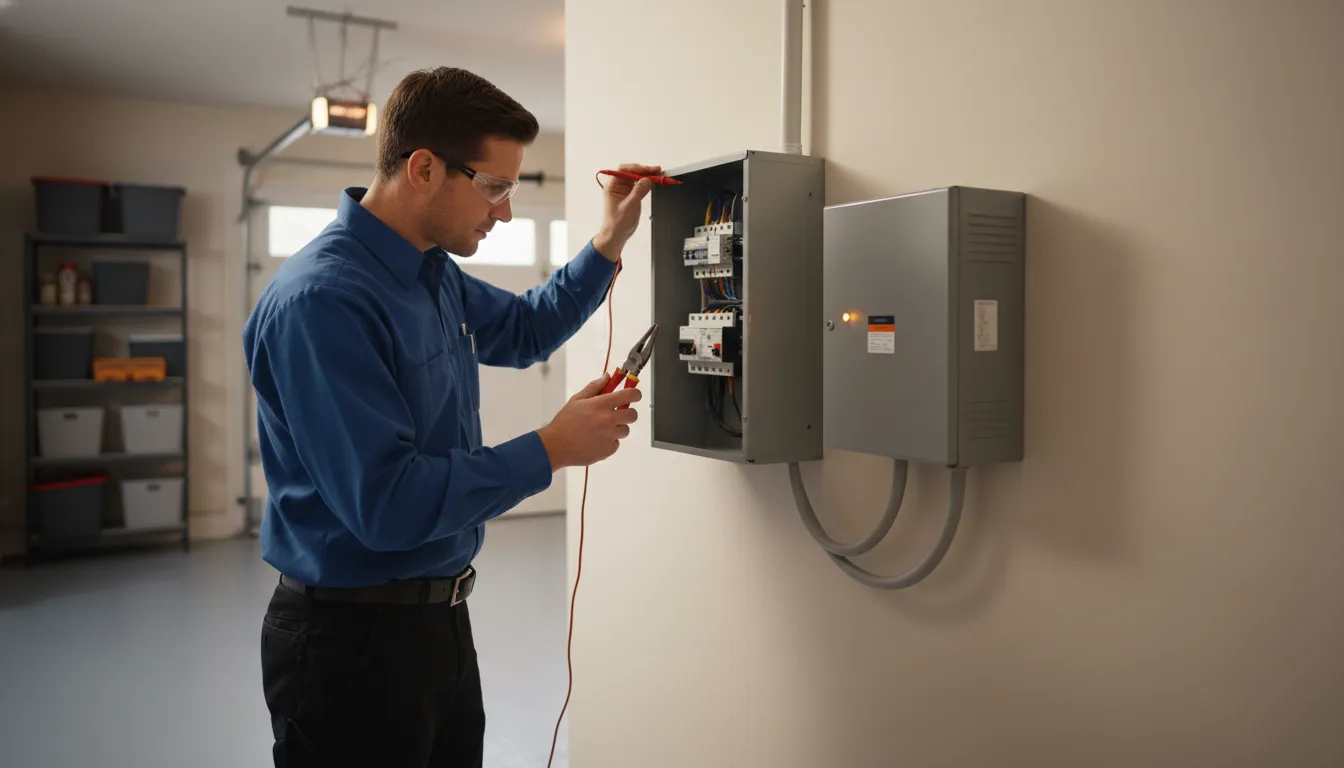
Transfer switches, permits, and code compliance
The role of the automatic transfer switch
A standby generator is more than an engine beside the house. The automatic transfer switch connects backup power to the home during an outage. When grid power fails, the switch signals the generator to start and supply power, according to the Pacific Northwest National Laboratory.
That handoff is central to a safe home backup plan. It lets the system respond without a homeowner moving cords or changing connections during a storm. For a DFW home, an installer must plan which circuits or loads the generator will support. TLC Electrical lists transfer switch installation and accurate load sizing as key parts of backup generator work.
Permits and inspection checks
A permanent standby system touches the home’s wiring and backup power equipment. That is why permit and inspection steps should be discussed before installation starts. A Texas residential generator permit and inspection guide, for example, sets out requirements for standby generator installations.
In DFW, ask a prospective installer which permit office applies to your address. Ask who will submit plans, arrange inspections, and handle any required corrections. Clear answers matter. Local review should be part of the installation process, not paperwork addressed after equipment is placed.
- Who obtains the permit for this address?
- What will the inspection cover before the generator is put in service?
- How will load sizing and transfer switch placement appear in the plan?
NEC-compliant electrical work
Permits are one check; the electrical work still needs a sound standard. TLC Electrical states that its work follows National Electrical Code (NEC) standards. For homeowners comparing a Generac installer in DFW, that point separates a planned electrical installation from a quick equipment drop-off.
A code-based plan should fit the actual home, not a standard equipment package. It should account for the chosen loads and the transfer switch. It should also leave clear records for inspection and future service. These details make the backup system easier to check and maintain.
Before signing, request a scope that names the transfer switch, selected loads, permit handling, inspection steps, and code-based electrical work. Review TLC Electrical’s backup generator installation experts in DFW page for details about installation and maintenance services. This keeps installer questions focused on safe operation and accountable work.
Compare Generac installers before you schedule
Do not compare generator quotes on price alone. Compare what each installer checks, documents, and explains before work begins. A careful Generac installer in DFW should make the plan easy to review. It should cover home load needs, payment terms, and follow-up service.
Proof before price
Start by asking for Generac training details and proof of electrical licensing. Then compare the visit itself. An installer should review the home, expected backup loads, generator location, fuel planning, and panel access before giving a firm scope. TLC’s schedule a backup generator consultation explain installation and maintenance as connected parts of the project.
The transfer switch is not a minor line item. During an outage, an automatic transfer switch signals a standby generator to start and supply power, according to Pacific Northwest National Laboratory guidance. Ask each installer to name the transfer switch type and the loads it will serve.
| What to compare. | Qualified installer. | Risky low-bid installer. |
|---|---|---|
| Credentials. | Shows Generac training and electrical license details. | Avoids proof or uses vague claims. |
| Site assessment. | Reviews loads, panel, placement, and fuel needs. | Prices from a quick call only. |
| Scope and transfer switch. | Lists model, switch, circuits, labor, and start-up test. | Leaves key equipment unspecified. |
| Permits and inspection. | States responsibility and included fees in writing. | Assumes permits are not part of the quote. |
| Maintenance and communication. | Explains upkeep, service contacts, and scheduling updates. | Goes silent after installation. |
| Upfront pricing. | Separates equipment, labor, fees, and options. | Uses a low total with unclear add-ons. |
Scope and safety details
A written quote should match what the installer saw at your home. Look for the generator model, transfer switch, planned circuits or load method, placement, and pad work. It should also list permits, inspection steps, start-up testing, and warranty terms. If one quote omits these items, it is not a clean price comparison.
Maintenance should be discussed before installation is booked. A standby unit must be ready when the utility power fails, not just on installation day. Ask who handles planned service, how visits are scheduled, and what support is available after an outage or a fault alert.
Questions for the estimate visit
- Can you show current licensing and Generac training or certification?
- Which loads will the system serve, and how was that choice made?
- Which transfer switch is included, and where will it be installed?
- Who handles permits, inspection scheduling, and start-up testing?
- What is included in the stated price, and what could add cost?
Use the same questions with each bidder and keep each answer in writing. This makes differences clear before you reserve an installation date or accept a price that may leave needed work out of scope.
Comparing bids now? Contact TLC Electrical for a clear DFW generator installation estimate.
Questions to ask a Generac installer before you buy
A short installer interview
Choosing a Generac installer in DFW starts with clear questions, not a quick sales pitch. A good conversation should explain who will do the work, how the system is planned, and what the written price covers.
Bring the same questions to each company you interview. Compare the answers with TLC Electrical’s guide to backup generator installation experts in DFW, so each bid is easier to review.
Seven questions to bring to the estimate
Are you trained for Generac systems, and who holds the electrical license? Ask for the credential details and the name of the licensed electrical contractor responsible for the job. You should know who installs, connects, and inspects the system before you sign.
How will you size the generator for my home? The installer should ask which circuits and major loads need backup power. Ask for the load plan in writing, rather than choosing equipment from home size alone.
What transfer switch are you proposing, and why? A standby system can use an automatic transfer switch to start backup power during an outage. The Pacific Northwest National Laboratory standby generator guidance explains this operating role.
Who obtains permits and schedules inspections? Ask which permits apply at your DFW address, who submits the plans, and whether fees are included. Permit steps can differ by city, so the installer should confirm your local process before work begins.
What maintenance will the unit need after installation? Ask about testing, service visits, replacement parts, and how service records are kept. Planned upkeep matters because standby generator maintenance prepares the system for outages.
What is the expected timeline? Ask when equipment may arrive, when site work can begin, and what could change the schedule. The answer should cover permit timing, inspection timing, and any work needed near the gas or electric service.
What is included in the written estimate? Request an itemized scope for the generator, transfer switch, electrical work, permits, startup, cleanup, warranty details, and maintenance options. Also ask what is excluded, so bids are compared on the same terms.
What a clear answer sounds like
A useful estimate is specific to your home and your local inspection process. It should state the proposed equipment, work scope, price boundaries, and next steps in plain language.
If an answer is vague, ask for it in writing before you make a choice. Clear documents help prevent missed work, surprise charges, and delays during a backup power installation.
What maintenance and timeline should you expect?
Planning before installation
When you compare a Generac installer in DFW, ask for a schedule built around your home, local rules, and chosen equipment. A sound plan starts with a site assessment, a load review, and selection of the standby generator and transfer switch. It should also show where the unit may sit and how power will transfer during an outage.
The PNNL standby generator guide explains that an automatic transfer switch signals the unit to start after a grid outage. Your installation plan should account for this equipment and its safe connection to the electrical system. The installer can then explain which backed-up loads fit the proposed system.
What shapes installation timing?
There is no single installation length that fits every DFW home. The work can depend on equipment selection, permit and inspection timing, site access, fuel planning, and needed electrical changes. Those steps should be mapped before work begins, not promised as a fixed date.
A clear project sequence usually includes the stages below. Your installer should explain which steps are confirmed and which depend on outside review.
- Site assessment and review of the circuits the generator must serve.
- Equipment sizing, transfer switch planning, and placement decisions.
- Permit applications and required inspection scheduling.
- Electrical work, startup, testing, and owner handoff.
When a local authority requires permits or inspections, review times can sit outside an installer’s control. Equipment supply and required upgrades can also shift a planned work date. A reliable quote separates known work from steps that still need approval.
For homeowners comparing schedules, TLC’s backup generator installation experts in DFW page describes its generator service and maintenance focus. Ask which milestones depend on local review or equipment delivery. This keeps the estimate useful as conditions change.
Maintenance after startup
Installation is not the last step. Standby generators need routine care so they are ready when utility power stops. PNNL states that necessary operations and maintenance are crucial for preparation for power outages.
Service needs may include inspection, testing, and the upkeep listed for the installed model. The service plan should follow the system documents and site conditions. It should also explain how a service visit is scheduled before storm season or after a fault alert.
Before handoff, ask for the maintenance schedule, test process, warranty steps, and the name of the service contact. A useful plan states what the homeowner can observe and what a qualified electrician should service. It also records completed visits, so the next visit begins with clear information.
What should be included in a Generac installation estimate?
A clear Generac installation estimate should define what the quoted price covers before work begins. For a homeowner comparing a Generac installer in DFW, the written scope makes estimates easier to compare. It also helps prevent surprise line items after installation begins.
System size and transfer switch
The estimate should state the proposed generator model and capacity, plus the home loads it is meant to support. Ask whether sizing covers whole-home backup, selected circuits, or planned load management. That detail ties cost to the backup plan, not just the equipment name.
An automatic transfer switch also belongs in the scope. During an outage, it signals the standby generator to start, according to Pacific Northwest National Laboratory. The estimate should list switch size, location, and any included load management equipment.
The quote should show the selected fuel source and where the unit will sit. A site plan can show service access and a practical route for wiring and fuel lines. If the design may change after a load review, ask how the final price will be confirmed.
Installation work and approvals
A sound estimate separates equipment from installation work. It should note panel connections, wiring, conduit, generator pad, fuel connection responsibility, and needed site preparation. TLC Electrical’s cost of Generac installation guide explains items that can shape a quote.
The estimate should state who applies for permits and schedules inspections. Ask whether permit fees, utility coordination, trenching, gas plumbing, concrete work, or landscape repair are included. If an item is outside the electrician’s scope, it should appear as an exclusion before you approve the job.
Startup, upkeep, and exclusions
The job is not complete when the generator is placed. Your quote should include startup, transfer testing, basic operating instructions, warranty paperwork, and the first maintenance schedule. Ask whether ongoing service is optional, included for a set term, or priced separately.
- Generator, transfer switch, and accessory model numbers.
- Labor, electrical materials, pad, fuel work, and permit handling.
- Startup testing, owner orientation, warranty steps, and maintenance options.
- Clear exclusions, possible change orders, and payment terms.
When reviewing backup generator installation experts in DFW, ask for one itemized written estimate. It should separate included work from optional upgrades and exclusions. Upfront pricing with no surprises means questions are answered before the installation date.
Frequently Asked Questions
How much does a Generac generator cost for a 2000 ft house?
Home size alone does not determine the installed price of a Generac standby generator. The quote depends on which loads need backup power, generator capacity, transfer switch type, fuel connection, pad location, electrical panel changes, and permit requirements. A DFW installer should complete a load review and provide an itemized proposal before installation is scheduled.
How do I choose the right size Generac generator for my home?
Start by listing circuits that must operate during an outage, such as refrigeration, lighting, heating or cooling, and medical equipment. An installer should calculate expected electrical loads, check starting demands for major equipment, and match the transfer switch to the plan. According to Pacific Northwest National Laboratory, the automatic transfer switch signals a standby generator to supply power during an outage.
Is there a licensed Generac installer in the DFW area?
Yes. DFW homeowners can compare local electrical contractors that install Generac standby systems. Ask whether the contractor is a Generac Certified Installer, carries required licensing and insurance, calculates home loads, installs transfer switches, and manages local permits and inspections. TLC Electrical identifies itself as a Generac Certified Installer serving Dallas-Fort Worth homeowners and can discuss the installation scope for a specific property.
How long does a professional Generac installation take?
The on-site installation schedule varies by generator placement, fuel work, electrical panel condition, transfer switch scope, and inspection timing. Before choosing a date, ask the DFW installer which permits are required, who arranges inspections, and whether utility or fuel-provider coordination is needed. A clear proposal should separate planning and approval time from the days needed for work at the home.
What maintenance does a Generac standby generator require?
A standby generator needs scheduled upkeep based on the model, operating hours, and manufacturer instructions. Service commonly includes checking oil, filters, battery condition, warning codes, and the exercise cycle. Keep service records and ask who responds after a failed self-test. Pacific Northwest National Laboratory notes that operations and maintenance are crucial for outage preparedness and efficient operation.
Ready for a local estimate? Schedule service with TLC Electrical and get the scope in writing.
Ready to Schedule Your DFW Generator Consultation?
Waiting until the next outage can leave your family comparing installers while dependable backup power is already urgent. Starting your planning now creates time to review home loads, transfer switch needs, installation steps, and scheduling choices carefully. That preparation can help you make a confident decision before severe weather or grid trouble forces a rushed response.
Ready to move from comparison to a clear installation plan today? contact TLC Electrical to discuss your home’s needs, questions, and upfront pricing with TLC Electrical. Starting the conversation early gives you time to make decisions without pressure. Request your next steps today, so your plan can be ready before you need backup power.