
Flickering lights are easy to dismiss when they happen once. A bulb blinks, the room brightens again, and life moves on. But when the same light keeps dimming, several rooms flicker at the same time, your home is giving you useful information. The same is true when the flicker arrives with buzzing, heat, or a tripping breaker.
Schedule service: If flickering lights are recurring, spreading, or paired with any safety warning sign, contact TLC Electrical for electrical troubleshooting and diagnostics.
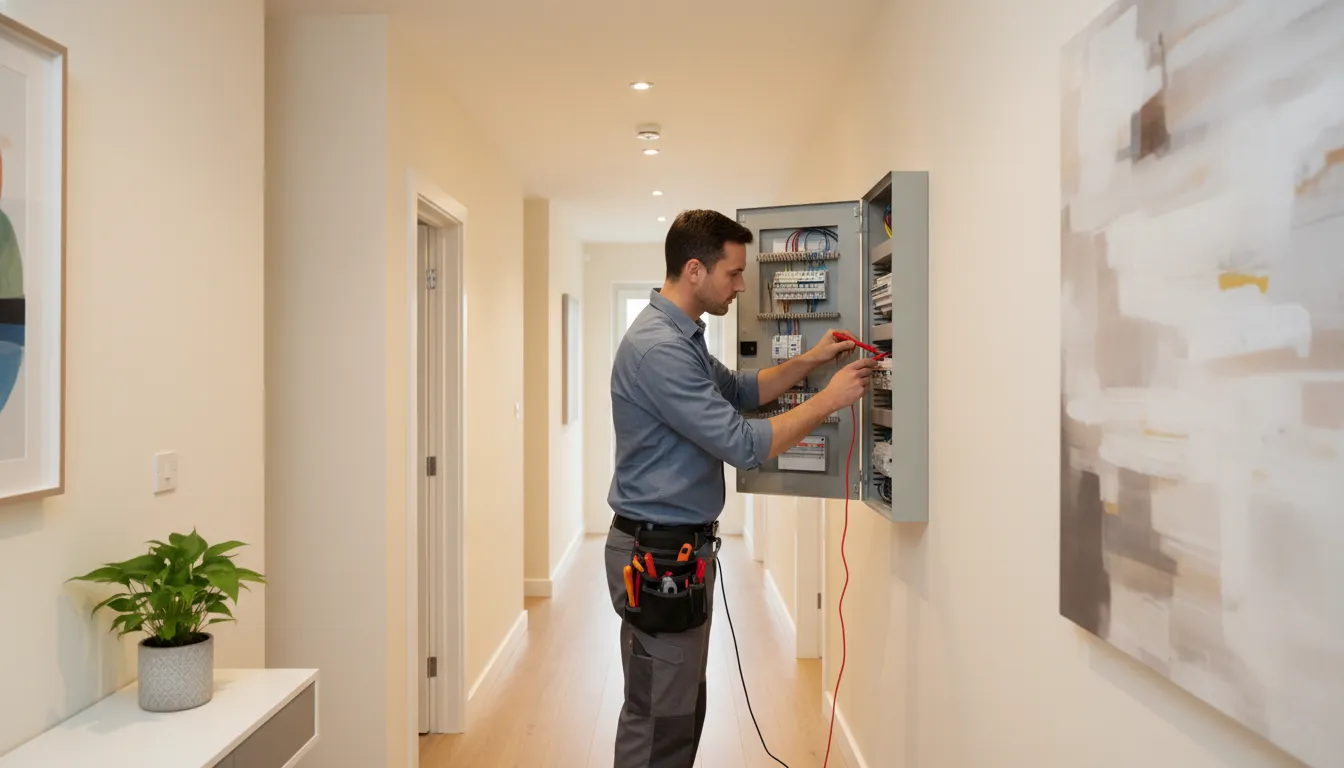
Electrical troubleshooting is the process of finding the real cause instead of guessing at the most visible symptom. Sometimes the answer is simple, such as an incompatible LED bulb on an older dimmer. Other times the issue points to a stressed circuit, loose connection, failing breaker, panel concern, or voltage problem. The safest next step starts with the pattern.
Electrical troubleshooting starts with the pattern.
Start with a simple question: “What pattern is this flicker following?” A single lamp that flickers after you bump the plug is one kind of clue. Recessed lights dimming every time the air conditioner starts is another. A dining room fixture that flickers only on a dimmer is different from lights across the whole house pulsing during normal use.
Before you schedule service, take a few safe notes. Write down which rooms are affected, how often it happens, and whether the flicker is brief, constant, or getting worse. Notice whether it happens when a large appliance turns on. Air conditioners, refrigerators, microwaves, pool equipment, and similar loads can create a momentary change in demand. A small, brief dip can be normal. A deep, repeated dimming pattern can mean the circuit, breaker, wiring, or service equipment needs professional evaluation.
Also pay attention to what you hear, smell, and feel without touching any wiring. Buzzing from a switch, a hot outlet cover, a burning odor, or a breaker that trips repeatedly should be checked. A light that flickers after a storm also deserves attention. Those details help an electrician narrow the cause, and they help you decide how quickly to call.
TLC Electrical diagnoses flickering or dimming lights, partial power loss, tripping breakers, hot or buzzing switches, electrical smells, unusual noises, and intermittent issues throughout Dallas-Fort Worth. That diagnostic approach matters because symptoms often overlap. The visible problem may be in the fixture, but the actual cause may be upstream in a switch, circuit, breaker, panel, or service connection.
Common causes of flickering lights
Flickering lights can come from several sources. Some are minor and easy to rule out. Others should not be handled as a do-it-yourself project. The difference usually comes down to scope, repetition, and safety signs.
| Possible cause. | What you may notice. | Best next step. |
|---|---|---|
| Loose or failing bulb. | One bulb flickers in one fixture. | Turn the light off, let it cool, and reseat or replace the bulb. |
| Incompatible LED and dimmer. | Flicker happens only when dimmed. | Use dimmable bulbs and a compatible dimmer, or schedule lighting help. |
| Loose fixture, switch, or connection. | Flicker returns even after bulb replacement. | Schedule a licensed electrician. |
| High-demand appliance startup. | Lights dip when a motor or appliance starts. | Track the pattern and schedule diagnostics if the dip is strong or frequent. |
| Overloaded or undersized circuit. | Flickering appears with breaker trips or heavy use. | Ask about circuit evaluation or upgrades. |
| Breaker or panel issue. | Several rooms flicker, partial power appears, or breakers behave oddly. | Stop guessing and schedule professional electrical troubleshooting. |
| Utility-side voltage issue. | Neighbors may notice problems too. | Call the utility, and call an electrician if home symptoms remain. |
A bulb or dimmer issue is usually limited. It affects one fixture, happens predictably, and does not include heat, odor, sparks, or breaker trips. Circuit and panel issues usually feel broader. They may affect multiple rooms, change with appliance use, or come with other electrical symptoms.
This is why replacing bulbs over and over is not a complete strategy. If the same fixture keeps flickering, the circuit trips, or the problem spreads, you need the system checked. TLC provides circuit breaker service, load testing, panel evaluations, circuit upgrades, and code-compliant repairs when the diagnosis points beyond the bulb.
When flickering lights are a safety red flag
Some flickering lights call for prompt professional help. The most important warning signs involve heat, smell, sound, arcing, or repeated power interruption. If you notice a burning smell, buzzing, crackling, sparks, warm outlet covers, warm switch plates, or a breaker that keeps tripping, stop using that area and schedule service.
Flickering across multiple rooms is another concern. One lamp can have a local problem. Several rooms dimming at once can point to a shared circuit, panel connection, service issue, or voltage fluctuation. Partial power loss is especially important. If some lights or outlets work while others do not, or if power seems to fade in and out, the problem deserves immediate attention from a professional.
Lights that flicker after storms should also be taken seriously. Storms can expose weak connections, damaged service equipment, or surge-related issues. If flickering starts after severe weather, do not open the panel or remove covers to look around. An electrical panel can hold dangerous energy even when something appears off.
Older homes deserve extra caution. Aging wiring, worn devices, outdated panels, and circuits that were not designed for modern electrical demand can all contribute to flickering and dimming. New appliances, EV charging, home office equipment, pool equipment, and smart-home devices can increase demand on systems that were already close to capacity.
The rule is simple: if flickering lights are paired with another symptom, treat the combined pattern as the issue. Heat plus flicker is different from flicker alone. Buzzing plus flicker is different from a loose bulb. Breaker trips plus dimming are different from a lamp that needs replacement. A licensed electrician can test safely and explain what is happening before repairs begin.
What can you safely check before calling an electrician?
Homeowners can do a few safe checks before calling for electrical troubleshooting. These steps do not require opening outlets, removing switch plates, or touching wiring. If any step reveals heat, smell, sparks, or repeated breaker trips, stop and call a professional.
- Check the bulb. Turn the fixture off and let it cool. Make sure the bulb is seated correctly. If it is old or questionable, replace it with the correct wattage and type for the fixture.
- Check LED and dimmer compatibility. If the flicker happens only when the light is dimmed, confirm the bulb is dimmable and the dimmer is rated for LED use. Older dimmers often do not work well with modern bulbs.
- Compare another fixture. If one lamp flickers but nearby lights do not, the issue may be local to that fixture, cord, plug, or bulb. If multiple fixtures flicker together, the problem may be broader.
- Notice appliance timing. Write down whether the flicker happens when the HVAC system, refrigerator, microwave, washer, dryer, or pool equipment turns on. That timing can help identify load or circuit concerns.
- Look for visible damage only. Without touching wiring, look for damaged cords, cracked covers, scorch marks, or loose plugs. Do not remove covers or open the panel.
- Document the pattern. Note the time of day, affected rooms, weather, appliance use, breaker behavior, sounds, smells, and whether the issue is getting worse.
These checks are useful because they make the service visit more efficient. They are not a substitute for professional testing. If your notes point to a recurring pattern, call TLC instead of resetting breakers repeatedly or relying on temporary fixes.
For lighting that is outdated, poorly matched, or unreliable, TLC also provides lighting installation and can help with fixtures, recessed lighting, dimmers, and smart lighting controls that are installed correctly.
How professional electrical troubleshooting finds the real issue
Professional electrical troubleshooting is more than looking at the light that flickers. A technician works through the system in a logical order so the repair addresses the cause. The visit may include testing voltage behavior, checking circuit load, and evaluating breaker condition. It may also include inspecting accessible device connections, reviewing panel condition, and confirming whether the issue is isolated or shared.
TLC Electrical uses diagnostic methods to pinpoint problems accurately and explain them clearly. That matters for intermittent issues because they may not appear the moment a technician arrives. Your notes about timing, appliance use, rooms affected, and breaker behavior help recreate the conditions that caused the flicker.
If the issue is related to circuit capacity, the recommendation may involve reducing load, moving equipment, adding a dedicated circuit, or upgrading an undersized circuit. If the breaker is failing or the panel has concerns, TLC can evaluate options and discuss code-compliant repairs. If the problem is with a fixture, switch, dimmer, or lighting control, the repair can stay focused there.
The goal is not to sell the biggest repair. The goal is to identify what is unsafe, what is unreliable, and what is actually causing the symptom. TLC’s service model emphasizes clear explanations, upfront pricing, and communication that respects your time. The company provides residential electrical services across DFW and has served the area since 2003.
For homeowners who are not sure where to start, the best first link is the company’s troubleshooting and diagnostics service. If your flickering lights are tied to breaker trips, the circuit breaker service page explains related testing and repair options. For broader home electrical needs, visit residential electrical services.
How to prevent repeat lighting problems
Once the immediate problem is fixed, prevention comes down to matching the electrical system to how the home is actually used. Many lighting problems repeat because the original cause was never addressed. A bulb gets replaced, but the dimmer is still incompatible. A breaker gets reset, but the circuit is still overloaded. A fixture is changed, but the connection problem remains.
Start with the simple fit issues. Use bulbs that match the fixture rating. Use dimmable LEDs only with LED-rated dimmers. If you are adding smart switches, smart dimmers, or home automation, make sure the wiring and controls are compatible. TLC provides home automation services for smart lighting, switches, outlets, dimmers, system setup, and troubleshooting.
Next, think about circuit demand. A modern home often has more electrical load than the original system was planned to handle. Home offices, media rooms, kitchen appliances, EV chargers, pool equipment, and outdoor living spaces can all add demand. If lights dim strongly when equipment starts, a dedicated circuit or panel evaluation may be the safer long-term answer.
Do not ignore breaker behavior. A breaker that trips once may be responding to a temporary overload. A breaker that trips repeatedly is communicating that something needs attention. Repeated resets do not solve the underlying condition, and they can allow a problem to continue until it becomes more expensive or unsafe.
Finally, schedule service when patterns return. The best time to diagnose a flickering-light issue is before it becomes partial power loss, heat, odor, or a failed circuit. TLC’s approach is built around finding the source, explaining the options, and completing repairs safely.
Frequently asked questions about flickering lights
When should I worry about flickering lights?
Worry when flickering is frequent, affects multiple rooms, happens with breaker trips, or comes with buzzing, burning smells, sparks, warm outlets, or partial power loss. Those signs can point to wiring, circuit, breaker, or panel issues that need professional electrical troubleshooting.
Can flickering lights be caused by a bad breaker?
Yes. A failing breaker, overloaded circuit, or panel issue can cause dimming or flickering, especially when the problem affects more than one light. A licensed electrician can test the breaker and circuit safely instead of guessing.
Why do my lights flicker when an appliance turns on?
Large appliances draw extra current when they start. A very brief dip can happen, but severe or repeated dimming may mean the circuit is overloaded, undersized, or sharing too much demand with other equipment.
Are flickering lights a fire hazard?
They can be if the cause involves loose wiring, arcing, heat, overloaded circuits, or faulty equipment. Flickering by itself is not always an emergency, but flickering with heat, odor, buzzing, sparks, or breaker trips should be checked promptly.
Should I open the panel to look for the problem?
No. Homeowners should not open electrical panels, remove device covers, or handle wiring. Document the pattern, stop using affected devices if you notice warning signs, and call a licensed electrician.
Schedule electrical troubleshooting with TLC
Flickering lights are not something you have to diagnose alone. TLC Electrical helps DFW homeowners find the cause, understand the options, and repair electrical problems safely. If your lights keep flickering, dim when appliances start, or show any safety red flag, schedule professional diagnostic service.
Call (817) 424-2684 or contact TLC Electrical to schedule electrical troubleshooting for your home.