
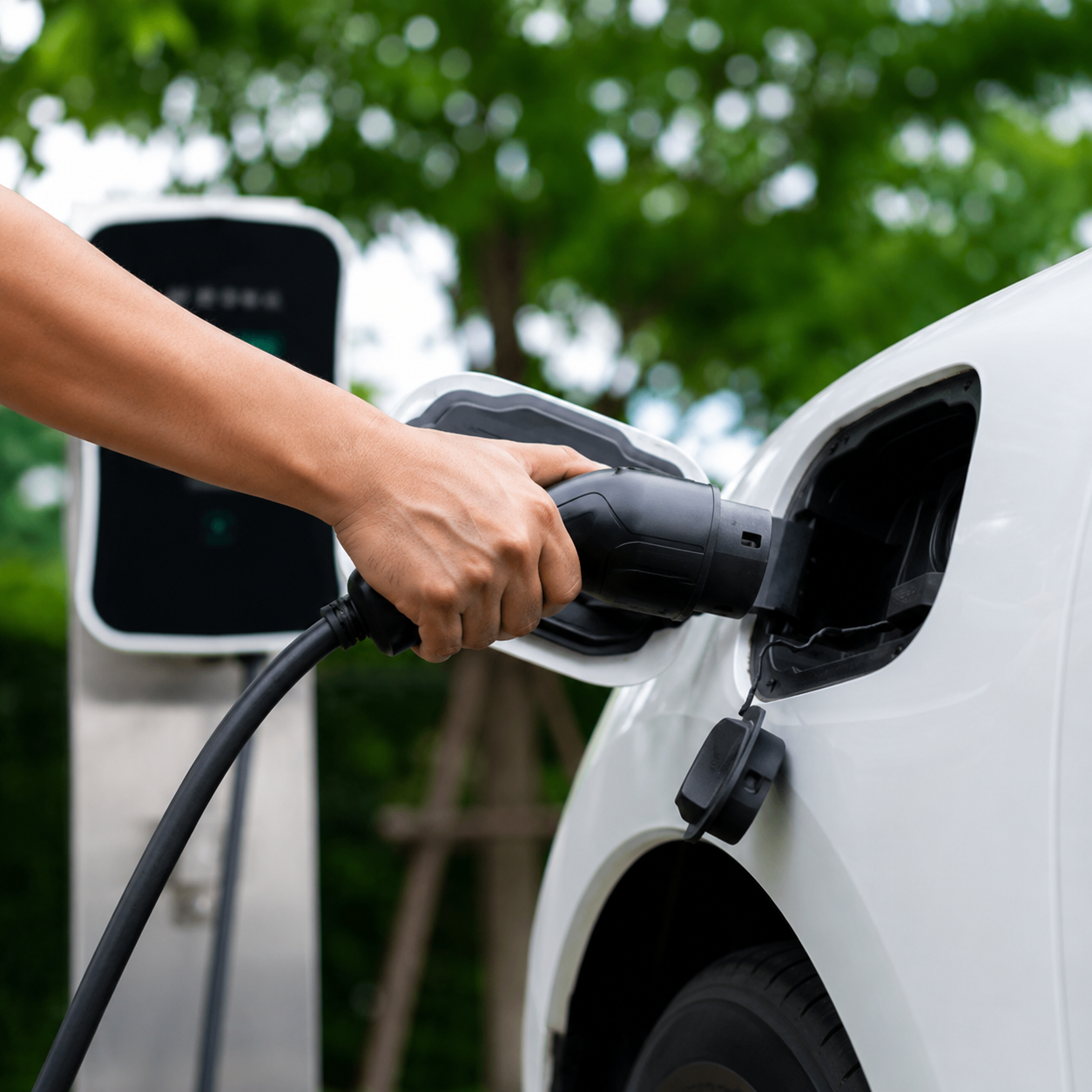
Dallas businesses face a sharp surge in demand for charging as more drivers switch to battery power. Commercial EV charging station installation Dallas projects need a plan that goes beyond simply mounting equipment. Your facility needs a strategy.
Schedule an EV charging site assessment with TLC Electrical Services.
Commercial EV charging station installation Dallas starts with a full audit of your current electrical load and physical layout to avoid costly mistakes. You must find out if your panel can support the new draw or if you need to pay for utility upgrades. The distance between your power source and the chargers is the biggest factor in your total cost. Working with local pros ensures your site meets North Texas codes and serves drivers well. According to the U.S. Department of Energy, you should bring in an electrical contractor early to check your power capacity. This step prevents delays and helps you pick the right hardware for your fleet or customers. A smart plan covers permit needs, mounting spots, and future growth for your business.
Planning a solid project requires a close look at every detail of your North Texas property before work begins. The path starts with a site assessment.
Commercial EV Charging Station Installation Dallas: Start With the Site
A commercial EV charging site assessment identifies available electrical capacity, practical equipment locations, conduit routes, access needs, and room for future expansion. Completing this assessment before selecting chargers helps a Dallas business create a realistic scope and avoid preventable redesigns.
Every good commercial EV charging station installation in Dallas begins with a deep look at the site. You cannot just pick a spot and start digging. A site check helps you find the best path for power and the safest spots for drivers. This stage sets your budget and helps you spot problems early to avoid costly delays.
Planning for your site means thinking about the future. More North Texas drivers switch to electric cars every year. Your business needs a setup that grows with demand.
A poor site choice now could force costly changes later. Good mapping ensures your chargers stay useful for years.
Assess existing electrical capacity
Your building has a limit on how much power it can draw at once. Fast chargers use a lot of energy, so you must know if your current system can handle the load.
It is best to bring in commercial electrical services to test your main panel. They will look at your peak power use and see if there is any room left for new gear. If your panel is full, you might need a new transformer or other big upgrades.
Utility companies often have to get involved when you add large loads to the grid. These utility upgrades can be a major factor in how much you spend.
Getting an expert view early helps you avoid the shock of high fees later. They can tell you what the city and power company will need for your spot. This knowledge keeps your project on track and helps you meet all safety codes.
Map out the physical layout
Where you put your chargers affects both cost and ease of use. The real distance from your power room to the parking spots is a key part of the price. Wires and pipes, or conduit, cost more when the run is long.
You also need to look at the ground. Cutting through thick concrete or digging under a sidewalk will raise your labor costs. These hardscape factors are a big part of the planning phase.
Think about how cars will move around the charging spots. You want to avoid blocks to traffic flow or delivery trucks. A smart layout makes it easy for drivers to use the spots without stress. A good plan includes:
- Clear signs so drivers can find the spots.
- Bright lights for safety at night.
- Curbs or walls to protect the gear.
Plan for weather and access
Dallas has hot summers and heavy storms that can test outdoor gear. When you plan your site, think about how to shield your chargers from the sun and rain.
Stations that stay cool tend to last longer and work better. You should also make sure the screens are easy to read in bright light. Using tough gear that stands up to the local heat is a smart move for any DFW business owner.
Easy access for all drivers is another key point. You must follow rules like those in the Americans with Disabilities Act. This means the cord, screen, and spot must be easy to use for people in wheelchairs. These rules open your business to everyone in the area.
Good planning helps reduce emissions from gas cars and brings cleaner air to our local streets. It shows you care about your customers and the world.
How Many Commercial EV Chargers Does Your Property Need?
The right charger count depends on expected users, daily charging demand, vehicle dwell time, and available electrical capacity. A scalable plan can start with current demand while preparing conduit and capacity for additional charging ports later.
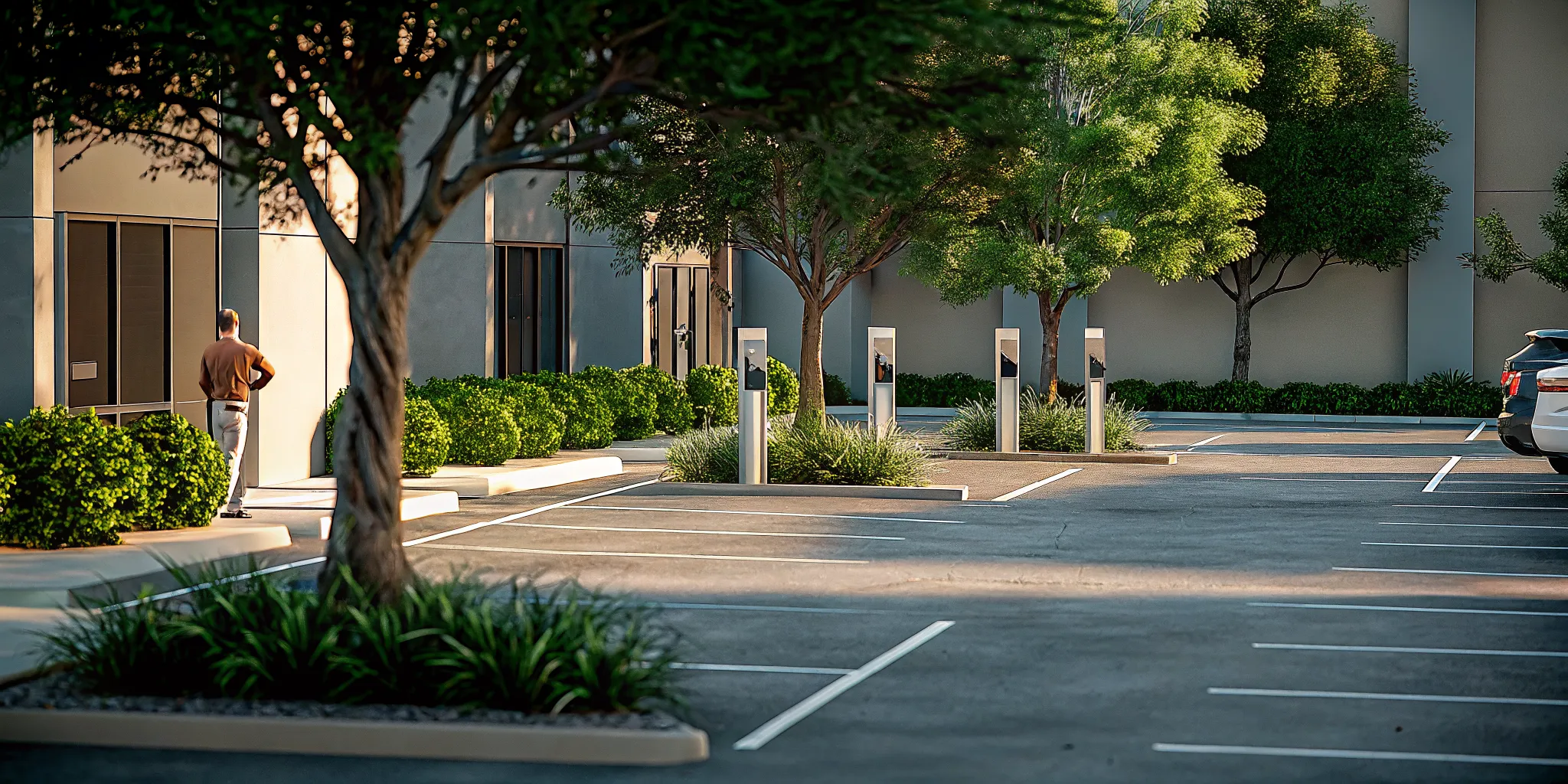
Choosing the right number of chargers is the first big step for your property. You do not want to buy too many, but you also do not want long lines. The best count depends on who will use the plugs. Your needs change if you serve staff, guests, or a fleet of vans. When planning a commercial EV charging station installation Dallas business owners should look at their daily traffic. Most sites start with a small group of ports and add more as the fleet grows.
Matching count to user type
Every place has a different goal for charging. Office buildings often need one plug for every 10 to 15 staff cars. Since staff stay for eight hours, slow chargers work fine. Retail shops and malls are different. Shoppers may only stay for an hour. These sites need fewer plugs but higher power to give a quick boost. For multifamily housing, a good rule is to have one port for every 10 units. This allows many people to share the same power source over a full week.
Assessing dwell time and power flow
Dwell time is how long a car stays parked in one spot. This time tells you how much power you need per car. Long stays mean you can use Level 2 chargers that draw less power. Short stays need Level 3 fast chargers to be useful to guests. It is vital to talk to pros about planning the site layout before you dig. They can check if your current wires can handle the new load. If your power is low, you might need a new utility line or a smart hub.
Smart hubs help you share power between many cars at once. These systems allow for energy usage monitoring so you do not blow a fuse. You can set the chargers to slow down when many cars plug in. This keeps your costs low while still giving everyone a charge. Most Dallas businesses find that smart chargers save money on monthly bills. They also make it easy to track how much power each driver uses for work.
Planning for future growth
The number of EVs on the road grows every year. It is much cheaper to plan for growth now than to dig up your lot twice. You should lay extra pipe or conduit in the ground during your first build. This “make-ready” work costs very little at the start. Later, you can just pull new wires through the pipes to add more plugs. This plan keeps your site ready for the next ten years. It also shows your staff and guests that you care about their future needs.
| Property Type | User Need | Typical Dwell Time | Charger Density |
|---|---|---|---|
| Office Space | Daily Commute | 8 Hours | 1 per 10 spaces |
| Retail Shop | Quick errands | 1 Hour | 1 per 25 spaces |
| Apartments | Home charging | 12 Hours | 1 per 10 units |
| Delivery Fleet | Work tasks | 10 Hours | 1 per vehicle |
Can Your Electrical Panel Support EV Charging?
Adding a new charger to your site starts with a look at your main power hub. Your electrical panel must handle the extra load that a high-power device needs. For a commercial EV charging station installation Dallas, this check is even more vital. Business sites often use more power than homes. You need to know if your system can keep up without tripping breakers or causing risks. An expert must look at your panel to see if it has the space and the strength for the job. They will also look for old parts that might fail under the new stress of a large EV fleet.
Checking Your Panel Capacity
The first step in any project is to find out how much power you use now. Most older panels were not built for the needs of modern electric cars. Electrical contractors should be involved early in the planning process to check your current power limits. They will test the total amps your panel can handle. If your panel is full, you might not have room for a new circuit. In many cases, a panel upgrade is the best way to keep your system safe. This work keeps your system running at the right heat levels.
The Role of Dedicated Circuits
A fast charger needs its own path to the power source. This is called a dedicated circuit. It ensures that the charger does not share power with other tools or lights. Sharing a circuit can lead to frequent trips and slow charging speeds. During a commercial EV charger installation, pros set up these paths to handle high voltage for long times. They also look at the physical distance between the charger and the panel. Placing the charger close to the power source can save you money on work and parts.
When to Upgrade Your Service
Sometimes, the panel itself is not the only limit. The power coming from the city might need a boost too. Electric utility upgrades are a big factor that can affect your total cost and timeline. If your building needs more total power, the utility company may have to swap out wires or transformers. A licensed electrician will perform load checks to see if this is needed. They will look at your peak power use and compare it to the limits of your service. This helps avoid surprise power cuts when you plug in your fleet or offer charging to the public.
Planning for the future is key to a good setup. You want a system that can grow as you add more cars. Your electrician can help you choose the right breakers and wiring for today and tomorrow. They will also look at hardscape factors like where to dig for new lines. This includes looking at curbs, sidewalks, and parking lot space. By doing this work now, you save on future repairs and changes. Safe power is the base of every good charging site. It keeps your cars moving and your business running smoothly.
Where Should Commercial EV Chargers Be Placed?
Choosing the right spot for your chargers affects both your setup costs and how often people use them. For a commercial EV charging station installation Dallas businesses must balance ease of use with power needs. You should start by looking at your current power supply.
Distance from the power source
The distance from your electrical panel to the chargers is a top cost factor. Long runs of wire need more labor and more parts like conduit and copper. Research from the Office of Scientific and Technical Information shows that distance from the power source heavily impacts the total price. You should also check your panel capacity early. An electrical contractor can tell you if you need a panel upgrade before you start.
Placing units close to the main building or power room can save thousands of dollars. If your lot is large, you might need new power lines. This adds time and cost to the work. It is often best to find a spot that cuts down on digging through pavement or stone. Trenching through hard surfaces is much more costly than digging through dirt or grass.
Driver access and traffic flow
Drivers need to find and use your chargers easily. Place them where people can see them near the front of the lot or along main drive aisles. Make sure the spots have enough space for cars to pull in and out without blocking traffic. You should also think about cable reach. A standard cable is about 18 to 25 feet long. The charger should sit where the cable can reach the ports on many car models.
Ease of use for all people is also a rule. You must follow ADA laws to ensure all drivers can use the stations. This often means wider spots and clear paths to the building door. If you need help planning these details, our team provides expert commercial electrical services to help you stay within the law.
Safety and DFW weather
In North Texas, heat and storms are common. While most chargers are built for the outdoors, a little shade can help. Placing units under a cover or in a parking garage protects the gear from direct sun and rain. This can help the screens last longer and keep the cables cool for users.
Networked chargers also need a strong signal. Make sure your chosen spot has good Wi-Fi or cellular reach. This allows you to track use and manage costs from your office. Site safety is another key part of placement. Good lighting helps drivers feel safe at night and stops crime. You might also want to put chargers within view of your current safety cameras. Clear signs are the final step. Use bright signs to mark the spots and show who can park there. This keeps gas cars from taking the spots that EV owners need.
How Does the Commercial EV Charger Installation Process Work?
Planning a commercial EV charging station installation in Dallas takes several steps. A clear plan helps keep costs down and ensures the system meets your site needs. Working with a licensed team like TLC Electrical Services helps you handle local rules and power limits early in the project.
Site assessment and goal setting
The first step is to define your goals for the new charging stations. You must decide if you want to give free charging to staff or paid access to the public. A site walk through with a pro helps find the best spots for the gear. These electrical contractors should join the team early to check your current power load.
The gap from the power source is a big cost factor. Large gaps between the panel and the chargers lead to higher labor and tool costs. In some cases, you may need power company upgrades to support the new load. These upgrades can be a big part of the total cost for commercial sites.
Design and permitting
Once you have a goal, the team creates a full site design. This design maps out the wiring, charger types, and any needed digging. If you choose smart chargers, the design must also include web links. These networked stations let you track power use and manage the units from a distance.
Local rules in North Texas vary by city. For example, the City of Arlington promotes EV use to help lower smoke and gas. Your team will file the right papers with the city to ensure the work meets all codes. This step stops delays and ensures the system is safe for long term use.
The installation steps
After you have the permits, the hard work starts. The crew sets up the base first, such as pipes and pads. Then they install the chargers and link them to the grid. Following a set path helps the commercial EV charging station installation Dallas stay on track.
- Base prep: Digging trenches and laying pipes for wires to run through the ground.
- Power work: Putting in new circuit breakers or panels if the site needs more power.
- Charger mounting: Bolting the units to walls or stands in their set spots.
- Final wiring: Pulling wire through the pipes and making all the final power links.
- Testing: Turning the power on to check that each unit charges cars in the right way.
- Software setup: Linking the units to the web and apps for smart charging.
Once the work is done, your team will set a plan for regular checks. Keeping the gear clean and checking for wear helps avoid down time. This ensures your site stays ready for drivers as more people switch to electric cars in Texas.
Plan Today for Future EV Charging Expansion
A smart move when starting a commercial EV charging station installation in Dallas is to look ahead. You might only need two chargers today, but demand for power grows fast. If you do not plan for more units now, you might have to dig up your parking lot again in a few years. This extra work can cost more than the first project because of new labor and path repairs.
Install larger conduit now
One of the best ways to get ready for more chargers is to use larger or extra conduit. Conduit is the pipe that protects your wires. It is much cheaper to put in a large pipe today than it is to trench through your lot a second time. According to the U.S. Department of Energy, physical distance and ground work are key factors in total costs. By laying extra pipe now, you make future growth as simple as pulling new wire through the path you already have.
Check your electrical capacity
Your building must have enough power to run many chargers at once. It is vital to bring in a pro early to check your panel capacity. Adding chargers later could force you to pay for big utility upgrades if you do not plan the load now. A pro can help you decide if you need a new sub-panel or a larger power source. This plan keeps your system safe and ready as the city moves toward cleaner air goals.
Choose networked charging units
Picking smart or networked chargers is another great way to plan for the future. These units let you track power use and manage how much energy each car gets. This data helps you see when you really need to add more stations. For businesses in North Texas, TLC EV charger installation services can help you set up these smart systems. We can help you pick the right layout and tech so your site stays ready as more drivers switch to electric cars.
What Shapes a Commercial EV Charging Project’s Cost?
Every commercial EV charging station installation in Dallas starts with a look at the site. Costs are not the same for every business. Your project price depends on your building’s power and where the chargers will go. Proper planning helps you find ways to control these costs from the start.
Distance to the Power Source
The space between your power panel and the new chargers is a big cost factor. If you place chargers far from the source, you will need more wire and conduit. Labor costs also rise when teams must dig long paths for the lines. A 2022 report shows that physical distance from the power source is a main driver for total setup costs. Choosing a spot close to your existing panel can keep your bill much lower.
Hardscape factors like concrete and asphalt also matter. If we have to cut through a parking lot, the price will go up. We often suggest paths that follow soft ground or existing lines to save money. This keeps your project on track without extra digging costs.
Electrical System Capacity and Upgrades
Your building must have enough power to run the new chargers. Many older Dallas buildings need commercial electrical services to add more capacity. If your current panel is full, you might need a new transformer or service upgrade. These utility changes can add a lot to the total cost. It is best to have an expert check your system early in the plan.
Working with a pro helps you avoid surprises. A study from the Department of Energy says you should involve electrical teams early to check your power levels. This step ensures your building can handle the load before you buy any hardware. Knowing your power limits now saves you from costly changes later.
Hardware and Networking Choices
The type of charger you pick will change your budget. Basic chargers cost less but offer fewer tools. Smart or networked chargers allow you to track power use and set prices for users. These features help you manage energy and even make money back. While the upfront price is higher, smart units can lower your long-term operating costs through better control.
Maintenance and permits are also part of the plan. Phased setup can help you manage your cash flow. You can start with a few spots and add more as the need grows. This strategy lets you build the infrastructure now and grow your charging fleet over time. It gives you a clear path to follow as more people switch to electric cars.
Frequently Asked Questions
How much does commercial EV charging station installation cost in Dallas?
The cost to install charging stations varies based on many factors. Key drivers include the distance between your power source and the chargers. Longer runs need more wiring and labor, which raises the price. According to the Department of Energy, power upgrades and site work also affect the total. Businesses should budget for both the hardware and the expert help needed for a safe setup.
What environmental benefits do EV chargers offer DFW businesses?
Setting up EV chargers helps make the air better in the Dallas-Fort Worth area. By supporting electric cars, businesses help cut the smoke and gases from standard engines. The City of Arlington notes that these stations are key to cutting down on harmful air waste. This move helps the community reach goals for a cleaner future while showing that your business cares about the local area.
Can I track the energy use of my commercial EV charging stations?
Yes, you can track how much power your chargers use if you pick the right model. Smart stations allow for remote checks and control of energy use. This feature helps you see when people use the chargers and how much power they draw. Data from the Department of Energy shows that these systems are useful for managing costs and keeping track of your station’s health.
When should I call an electrician for EV charging planning?
You should involve a licensed electrician early in your planning process. An expert can check your current power capacity to see if it can handle the new load. Finding out about power needs early helps you avoid surprises and extra costs later. Experts at the Alternative Fuels Data Center suggest that early talks with a contractor ensure your site is ready for a smooth and safe installation.
Ready to set up your DFW commercial EV charging stations?
If you wait too long to start your charging project, you might face much higher prices for parts and much longer wait times for skilled labor. Most smart businesses in the Dallas-Fort Worth area are moving to electric cars, so acting now helps your team stay ahead of the local curve. Getting your site checked this week means you can have a full power plan ready and in place long before the next busy season begins.
Ready to schedule a commercial EV charging site assessment? Call (817) 424-2684 to set up a time for a licensed pro to visit your site, check your current power levels, and provide a clear quote.