
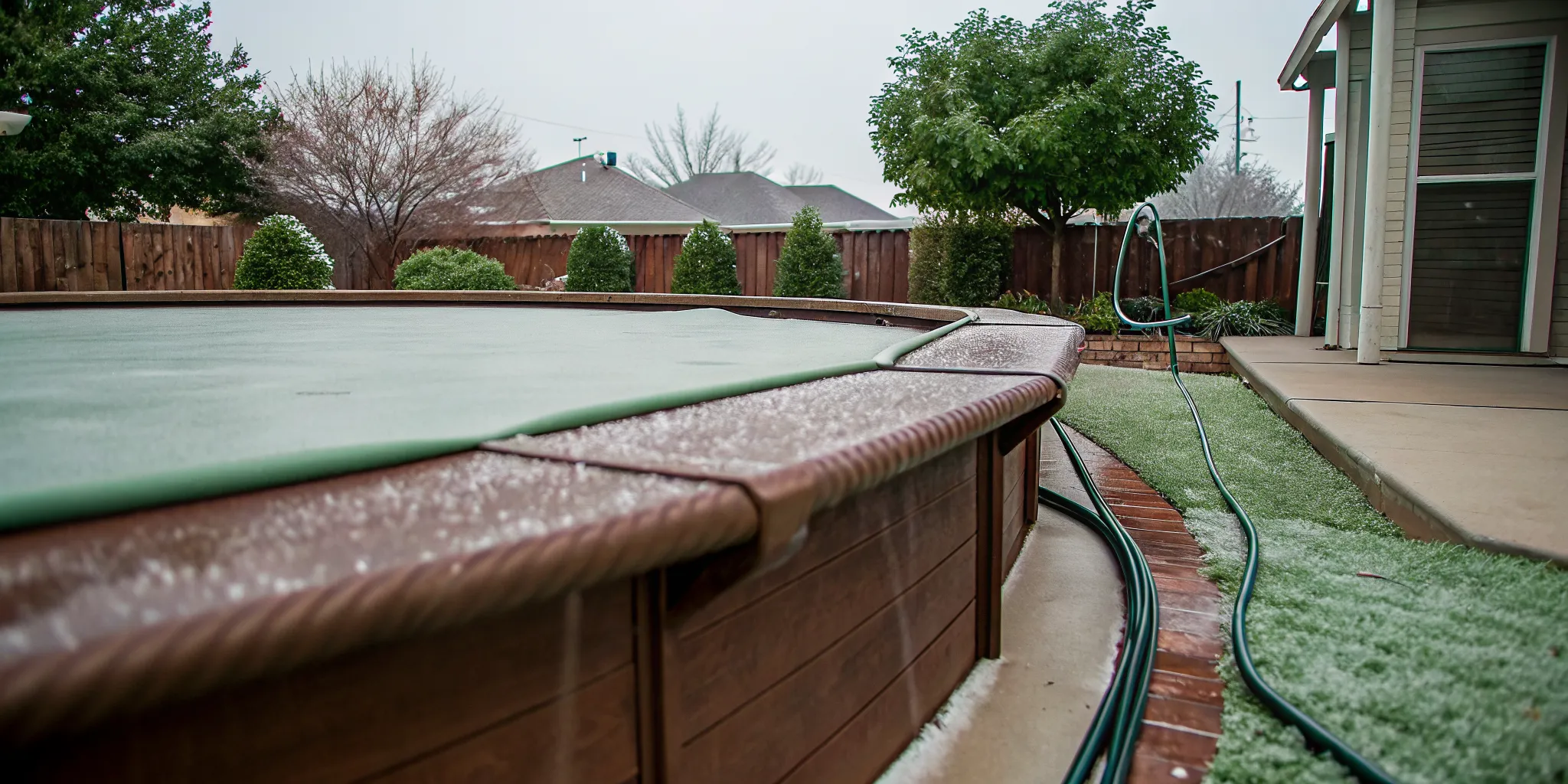
Sudden arctic freezes in North Texas can burst pool pipes and destroy costly pumps in hours. A functional pool freeze guard protection Texas system prevents these repairs by moving water before ice forms. This simple device is your best defense during a DFW winter.
Schedule freeze guard protection service before the next DFW cold snap.
Reliable pool freeze guard protection Texas systems are vital for stopping ice from cracking your pump, filter, and plumbing lines. These tools check the air temperature and turn on the pump to move water once the air reaches about 34 degrees. Moving water is harder to freeze than still water, which helps keep your costly gear safe. According to Claffey Pools, keeping water in motion is the best way to protect pool equipment from freezing. Without this tool, a fast drop in temperature could lead to huge repair bills. A pro setup makes sure the sensor sits in the right spot and the wires are safe. This system lets owners rest easy during a hard freeze.
Most pool owners know cold weather is coming, but they may not know how their gear stays safe. You need to understand the way these parts work together to keep the water flowing through your lines. Learning about How pool freeze guard protection works in Texas is the first step. The path begins with
Pool Freeze Guard Protection Texas: How pool freeze guard protection works in Texas
A pool freeze guard is a tool that watches the air temperature near your pool. In North Texas, sudden cold snaps can cause water to freeze inside pipes and filters. This ice expands and can crack your equipment, which leads to leaks. To stop this, a freeze guard starts your pool pump when the air gets cold. Moving water is much harder to freeze than water that sits still.
Sensors and pump controls
Most pool freeze guard protection Texas systems use a sensor to track the weather. These sensors sit near your pool and check the air. When the air hits a set point, often 32 to 34 degrees, the guard sends a signal to your pool equipment repair and installation panel. This starts the pump right away to move water through the lines.
By keeping the flow going, the system stops ice from forming in the lines. Continuous water circulation is the main way these tools keep your pool safe. It is a key tool for DFW owners who want to avoid big repairs after a storm. Keeping water moving helps protect the plumbing and the pump during a deep freeze.
Protection and local risks
While freeze guards help, they do have limits. They only protect the parts where water flows. If you have pipes that are not part of the main loop, they may need extra pipe insulation. Also, these systems need power to work. If a storm cuts your power, the guard cannot start the pump.
North Texas has a history of big arctic freezes. The freeze in 2021 caused many power outages across the state. During such times, you must take steps to drain your equipment by hand. Since the guard uses electrical parts, it is smart to get routine pool equipment maintenance before the first cold front hits. This ensures your system is wired right and ready.
Comparing freeze protection options
Texas pool owners have a few ways to handle winter weather. Most use a mix of tools and manual checks to keep their pools safe. This table shows how a freeze guard stacks up against other ways to protect your pool in the DFW area.
| Protection Type | Best Use | Main Benefit | Key Risk |
|---|---|---|---|
| Freeze Guard | Standard DFW pools | Works on its own | Fails if power goes out |
| Manual Flow | Power outages | No sensor needed | Hard to time right |
| Winterization | Long-term cold | Full pipe safety | Pool stays shut down |
| Insulation | Exposed pipes | Saves energy | Not for deep freezes |
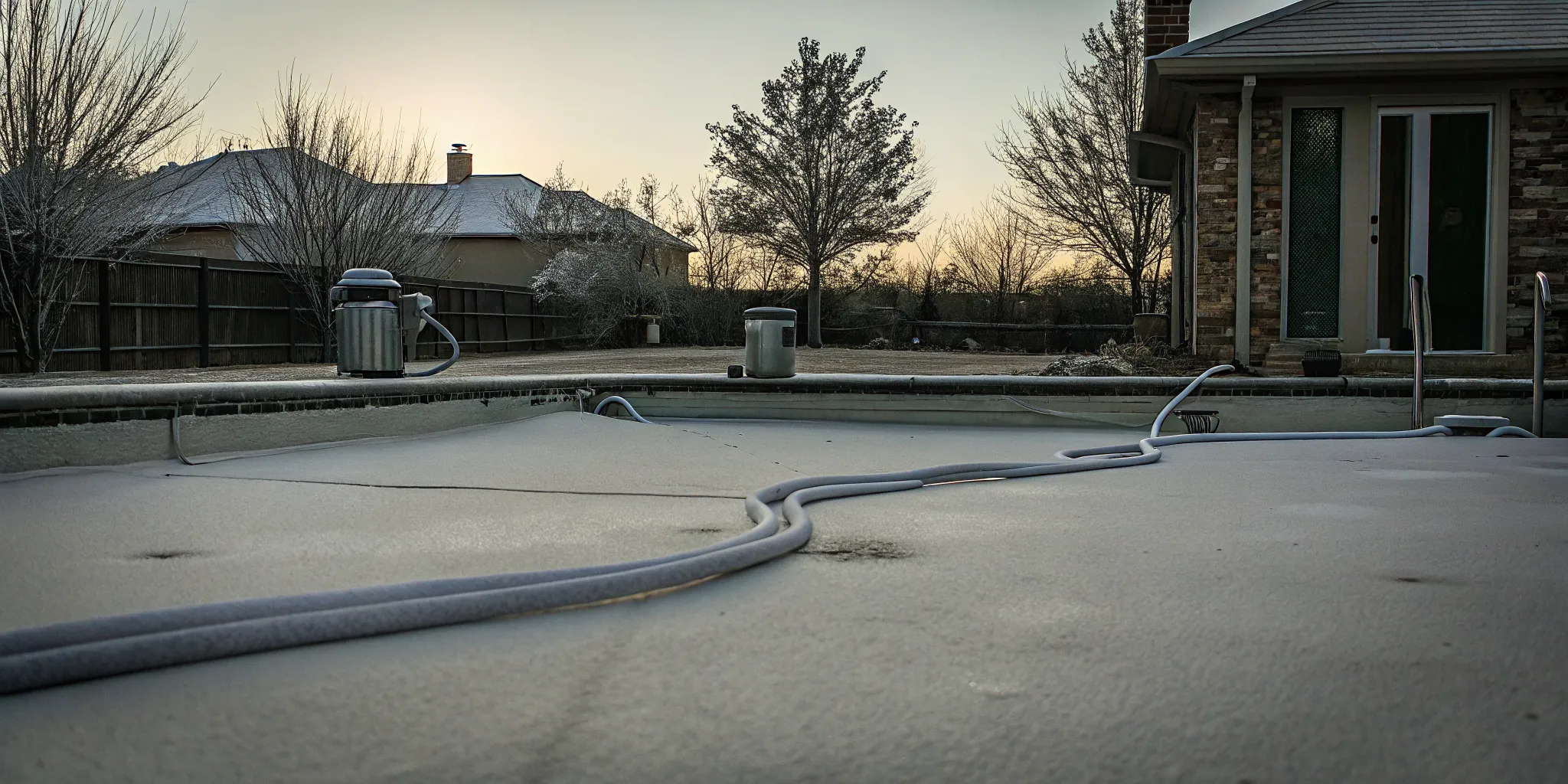
What parts of your pool does a freeze guard protect?
When a winter storm sweeps through the Dallas-Fort Worth area, the cold can put your whole pool system at risk. A freeze guard acts as a central hub for freeze guard protection by watching the air and taking action before ice can form. It does not just watch one part; it shields the pumps, filters, and lines that keep your water safe. Knowing what this tool covers is the first step in making sure your pool setup lasts for years.
The pump and filter system
The most vital part of your pool system is the pump. If water sits still in the pump during a hard freeze, it will turn to ice and grow. This growth can crack the pump case or hurt the motor. A freeze guard monitors the air and turns the pump on when the temperature hits a set point, usually near 32 degrees. This steady flow is your first line of defense against costly winter damage.
Your pool filter is also high on the list of parts that need care. The filter tank holds a lot of water that is under pressure. If that water freezes, the tank can burst or the inner parts can bend. By keeping the water moving through the tank, the freeze guard makes sure that no single spot stays cold enough to turn to ice. This care is key because replacing a full filter system is a big cost for any homeowner in Texas.
Safeguarding pipes and heaters
Exposed pipes are often the first thing to fail in a cold snap. PVC pipes that are above the ground can freeze fast if the water inside is not moving. The freeze guard protects these lines and the valves that control where the water goes. While moving water helps, you may also need to wrap these pipes to add more safety. This step reduces the chance of a pipe burst that could flood your yard when the ice melts.
Pool heaters are complex units with many small tubes and parts. These parts can break easily if ice grows inside them. Even if you do not plan to use your heater in the winter, it still has water inside that can freeze and ruin the unit. The freeze guard includes the heater in the water loop to prevent this damage. Professional pool equipment repair and installation services can check your heater to ensure it is ready for the cold.
Automation and power limits
Modern pool systems often include smart controls that work with the freeze guard. These controls manage the power for your lights, cleaners, and salt systems. While a freeze guard is a great tool, it has limits. It needs power to work. A study on Texas arctic freezes shows that major storms in 1981, 1983, and 2021 put huge stress on local grids. If the power goes out, the guard cannot run the pump, and you must drain your gear by hand.
Warning signs your pool freeze guard may fail
A pool freeze guard is your first line of defense against ice damage. These systems work by sensing the air. They turn on your pump when the air gets too cold. In Texas, we have seen major arctic freezes in 1981, 1983, and 2021. Each of these events caused big problems for local home owners. If your pool freeze guard protection Texas system fails, you could face costly repairs for your pipes and pump. Knowing the early signs of a fail can help you act fast before the next cold snap.
Common visual red flags
You can find many issues just by looking at your gear. Check your pool pump for leaks or cracks. Ice can form inside the pipes and push them apart. If you see water dripping where it should not be, you may have a break. Listen to your pump as it runs. Loud noises or grinding sounds can mean the pump motor is under stress. This often happens when water is not moving well through the lines.
Watch for signs of wear on the outside of your control box. Rust or water marks on the box can lead to shorts. If the box is open to the rain or sun, the parts inside will wear out fast. You should also look at the display screen. If the screen is blank or has odd codes, the system might not work when it gets cold. Keeping up with routine pool gear care can help you catch these small signs early.
Testing the cold sensor
The sensor is the part that tells the pump to start. Most systems come on when the air hits 32 to 34 degrees. You can test this yourself without waiting for a freeze. Use a cup of ice water to cool the sensor. If the pump does not start after a few minutes, the sensor might be bad. Check the wire that leads from the sensor to the box. If it is cut or frayed, the signal will not go through.
Sometimes the sensor just gets dirty. Dust or bugs can coat it and keep it from reading the air. A quick wipe with a soft cloth might fix a minor issue. But if the pump still stays off in the cold, you need a pro to look at it. You can check your pool freeze guard protection Texas settings to see if the trigger point is set right. If the unit is old, the sensor might drift and need a swap.
Electrical and wiring concerns
Some problems are too deep for a quick look. Loose wires or blown fuses can stop your freeze guard in its tracks. If your breaker trips often, there is a big problem with the power flow. Never try to fix high voltage wires on your own. This is a job for a licensed team. They can check the relay and the timer to make sure they talk to the pump.
Power outages are a huge risk during a Texas winter. If the power goes out, your auto system will not work. You will need to take manual steps to drain your gear. A pro can help you set up a backup plan for your pool freeze guard protection Texas needs. Getting a pool equipment repair and installation check now can save you a lot of stress later. Our team can test each part of your system to make sure it is ready for the ice.
When and how should you test a pool freeze guard?
Testing your freeze guard is a key part of pool care in the DFW area. You should check the system before the first cold snap hits. This helps ensure your pool has the right protection. A working guard keeps water moving at all times. Moving water helps stop ice from forming and cracking your pipes. It is the best way to keep your system safe through a long winter.
When to check your system
Check your pool’s freeze guard every year in late fall. Do not wait until a big winter storm is in the news. In North Texas, cold fronts can drop temperatures fast. Large arctic freezes, like the one in 2021, show the stress cold weather puts on local systems. You can read about these Texas freeze patterns to see how they affect our state. Finding a problem in November is much better than finding it during a freeze.
The guard should turn on when the cold air hits about 32 to 34 degrees. This helps stop water from sitting still in your pipes. Stagnant water is what freezes and causes pipes to burst. By testing early, you make sure the switch is still set right. You also give yourself time to call for a repair if the pump stays off.
How to test the device safely
Most freeze guards use a small sensor to check the air. To test this, you can cool the sensor down to trick it. Use an ice cube or a cold rag to lower the probe’s temperature. But you must be very safe while you do this. Do not touch any bare wires or open the main power panel. If you are not sure what to do, call for professional pool electrical services to handle the task.
Good care is the best way to avoid a break when it is cold. Staying on top of routine pool equipment maintenance saves you money. It keeps your gear in top shape and helps it last longer. Before you start the test, check your pool water level. It should be about halfway up the skimmer opening. This keeps the pump from sucking in air once it starts up. Here is how you can check the guard’s basic function.
- Find the freeze guard sensor. It is often a small metal or plastic probe near the main control box.
- Watch the pump. Make sure the pump is off before you start the test so you can see it turn on.
- Cool the sensor. Place a cup of ice or a cold, wet rag against the probe for a few minutes.
- Wait for the click. You should hear the control box click as the power flows to the pump.
- Check the flow. Make sure water is moving through the pipes and into the skimmers.
- Let it reset. Remove the ice and wait for the pump to stop once the sensor warms back up.
Getting a professional look
If the pump stays off during your test, do not wait to fix it. Your guard may have a bad fuse or a broken sensor. Do not try to fix power parts or wiring on your own. A licensed and bonded team can find the fault and fix it fast. This ensures your pool freeze guard protection Texas is ready for the ice. Getting an expert check gives you peace of mind all winter long.
Schedule a pool and spa electrical safety check before freezing weather arrives.
What to do before and during a DFW freeze
North Texas weather can change fast. Major arctic freezes in years like 1981, 1983, and 2021 have put a lot of stress on local homes. A study on Texas arctic freezes shows how these events impact the whole region. For pool owners, this means you must have a plan before the cold air hits. Taking small steps now can save you from big repair bills later. Being ready is the best way to protect your pool and your home.
Early pool equipment prep
Start by checking your pool water level. It should stay about halfway up the skimmer opening. This level is vital for your pump. If the water is too low, the pump might pull in air. This can cause the motor to burn out or lose its prime. Keeping the water at the right height helps the system work as it should during a freeze.
You should also wrap any exposed pipes. Good insulation helps stop ice from forming inside the lines. This reduces the risk of pipes bursting when the water expands. Use foam wraps or heavy towels to cover the plumbing near your pump and filter. Check that the wraps are tight and will not blow away in the wind.
You may also want to have a pro look at your gear. A licensed expert can check your wiring and controls. This ensures your pool freeze guard protection in Texas is ready for use. These checks are a key part of keeping your pool safe all year. It is better to find a small problem now than to have a failure during a major storm.
Water flow during the freeze
Moving water is very hard to freeze. Automatic freeze guards use sensors to check the air temperature. When the air hits 32 to 34 degrees, the guard turns on the pump. This keeps the water moving through your pipes and equipment at all times. Constant flow is your best defense against ice damage in the DFW area. It stops water from sitting still where it can turn into ice.
Do not try to heat your pool water to stop it from freezing. Using a heater in extreme cold can damage the unit. It also wastes a lot of power and costs a lot of money. Focus on keeping the pump running instead. If you do not have an automatic guard, you will need to turn the pump on by hand. You should do this before the air reaches freezing and keep it on until the ice melts.
Power failure safety steps
A power loss is a big risk for your pool during a freeze. If the power goes out, your automatic systems will not work. You must take action fast to protect your gear. Drain the water from your pump, filter, and heater if the pump stops. You can do this by removing the drain plugs from each piece of equipment. This prevents ice from cracking the thick plastic and metal parts of your system.
Never try to fix electrical issues on your own during a storm. High voltage and water are a deadly mix. If your equipment does not start when the power comes back, call for help. A licensed team can safely check for blown fuses or tripped breakers. They can also look for damage from the freeze. Staying safe is the most important part of any winter plan for your home.
When should a licensed electrician inspect the system?
Your pool gear relies on a web of wires and sensors to stay safe. While some parts are easy to see, the power core uses high voltage and needs expert care. A local pro can check the system to ensure your pool freeze guard protection in Texas is ready for winter. Waiting for a storm to hit before you test the system is a big risk for your pool.
Signs of failing relays or controls
The relay is the heart of your freeze guard system. It acts as a heavy-duty switch that tells the pump to start when the air gets cold. If you hear a loud humming or clicking but the pump does not start, the relay has likely failed. This often happens because the metal points inside the switch have burnt out over time.
You should also look for errors on the control timer or digital screen. If the screen is blank or shows an “ERR” code, the logic board may have a short. This prevents the system from reading the outdoor cold. A licensed pro can swap out these parts quickly to keep your water moving. Without a working relay, your pipes could freeze in just a few hours.
Frequent breaker trips and circuit issues
A circuit breaker that trips often is a clear warning sign. This usually means there is a “ground fault” or a short in the pool wiring. Since pool gear is near water, these issues can lead to shocks if not fixed right away. You should never force a breaker to stay on if it keeps clicking off.
Our team provides professional pool electrical services to find the root cause of these trips. Often, moisture gets into old pipe or wire boxes. Pests like ants or mice can also chew through wire covers and lead to sparks. Wiring for a pool pump is not like the wiring in your house. If the joints are loose, the heat can melt the plastic. A pro ensures the wires can handle the power needed to keep your pool safe.
Code compliant safety and maintenance
Power codes for pools change to make systems safer for homeowners. A licensed expert knows these rules and can update your old timer box to meet new standards. For example, we check the bonding wire that ties all your metal pool parts together. This prevents stray power from entering the water or the pool deck.
Major freezes in the past, like the one in 2021, have caused big stress on local systems and home power grids. If your system was set up long ago, it may not have the safety parts needed for today’s weather. A yearly check ensures your freeze guard protection has the right fuse and ground-fault parts. These steps protect your family and your costly pool gear from power surges and cold snaps.
Frequently Asked Questions
How does a pool freeze guard work in Texas?
A pool freeze guard uses a sensor to check the cold air near your pool parts. When the air gets very cold, the guard turns on your pump. Moving water is much harder to freeze than still water. According to Claffey Pools, this system keeps water flowing through your pipes. This simple task helps stop ice from forming and breaking your costly pool gear during a North Texas freeze.
What if my pool freeze protection fails during a power outage?
If the power goes out, your auto freeze guard will stop working. You must act fast to protect your pool gear. You should open the drain plugs on your pump and filter to let the water out. This stops water from freezing and expanding inside the parts. Experts at DFW Pool and Patio say you should also wrap your pipes in blankets. These steps help you avoid very high repair bills once the power comes back on.
How do I test my pool’s automatic freeze protection?
The best way to test your system is to use a bag of ice. Hold the ice pack against the sensor for a few minutes. This tricks the sensor into thinking it is freezing outside. If the system is good, your pool pump should turn on right away. If it does not start, you may have a bad sensor or a wiring issue. You should call a licensed electrician to check your system before the cold hits.
Should I run my pool pump during freezing Texas weather?
Yes, you should keep your pool pump running whenever the air is near freezing. Moving water does not freeze as fast as still water. Running the pump keeps the water flowing through the pipes and the gear. This prevents ice from building up and causing pipes to burst. If you do not have a freeze guard, you must turn the pump on by hand. A safety check can help you decide if you need to add an auto system.
Ready to protect your pool from a hard freeze?
Waiting until a hard freeze hits can lead to burst pipes and very high repair costs that can quickly ruin your home repair budget. Our licensed team can help you avoid a costly winter mess with an expert check of your setup before the first frost arrives this year. It is much easier and cheaper to fix a small issue now than to deal with a big leak in the dark and cold of night. You can also look at our freeze guard services to see how we keep your gear running during the worst North Texas winter storms.
Ready to schedule? Call (817) 424-2684 today to schedule pool freeze guard electrical service.