

A smoke alarm sounds at 2 a.m., but will every person in your DFW home hear it in time? Detector placement determines how quickly your family receives a warning. This guide shows where each alarm belongs and when professional wiring helps.
Protect every level of your home with professional smoke and carbon monoxide detector service from TLC Electrical Services.
Deciding where to install smoke and carbon monoxide detectors is a vital safety step that needs clear rules. You must put smoke alarms in every bedroom, outside every sleeping zone, and on every level of the house. Carbon monoxide alarms also go on every floor, near bedrooms where the sound can wake you. For the best safety, keep smoke sensors ten feet from kitchen stoves to stop false alarms. Wall units should stay within twelve inches of the ceiling to catch smoke fast. These tools find two different dangers, so your home needs both for full care. According to the NFPA, linking all alarms means that if one rings, they all ring in the house.
Following trusted safety guidance helps you create a reliable defense for your Dallas or Fort Worth home. You might still have questions about room layouts or specific mounting heights for your unique floor plan. The first step is learning where to install smoke and carbon monoxide detectors.
Where to install smoke and carbon monoxide detectors
You need the right tools to keep your DFW home safe. Knowing where detectors belong in your home is the first step. Fire and gas leaks are big risks. Putting sensors in the best spots can save lives.
Best spots for smoke alarms
Smoke rises, so you should mount these alarms high on a wall or ceiling. Experts at FEMA say you must put smoke alarms in every bedroom. You also need them outside each sleeping area. Put at least one alarm on every level of your house. This includes the basement. If your home has a finished attic, you should put one there too.
If you mount an alarm on a wall, keep it close to the top. It should be within 12 inches of the ceiling. Most fires start in kitchens or living areas. But smoke can move fast through halls. Clear paths help the sound reach you while you sleep. Interlinked alarms are best. When one alarm sounds, they all sound. This gives you more time to get out safely.
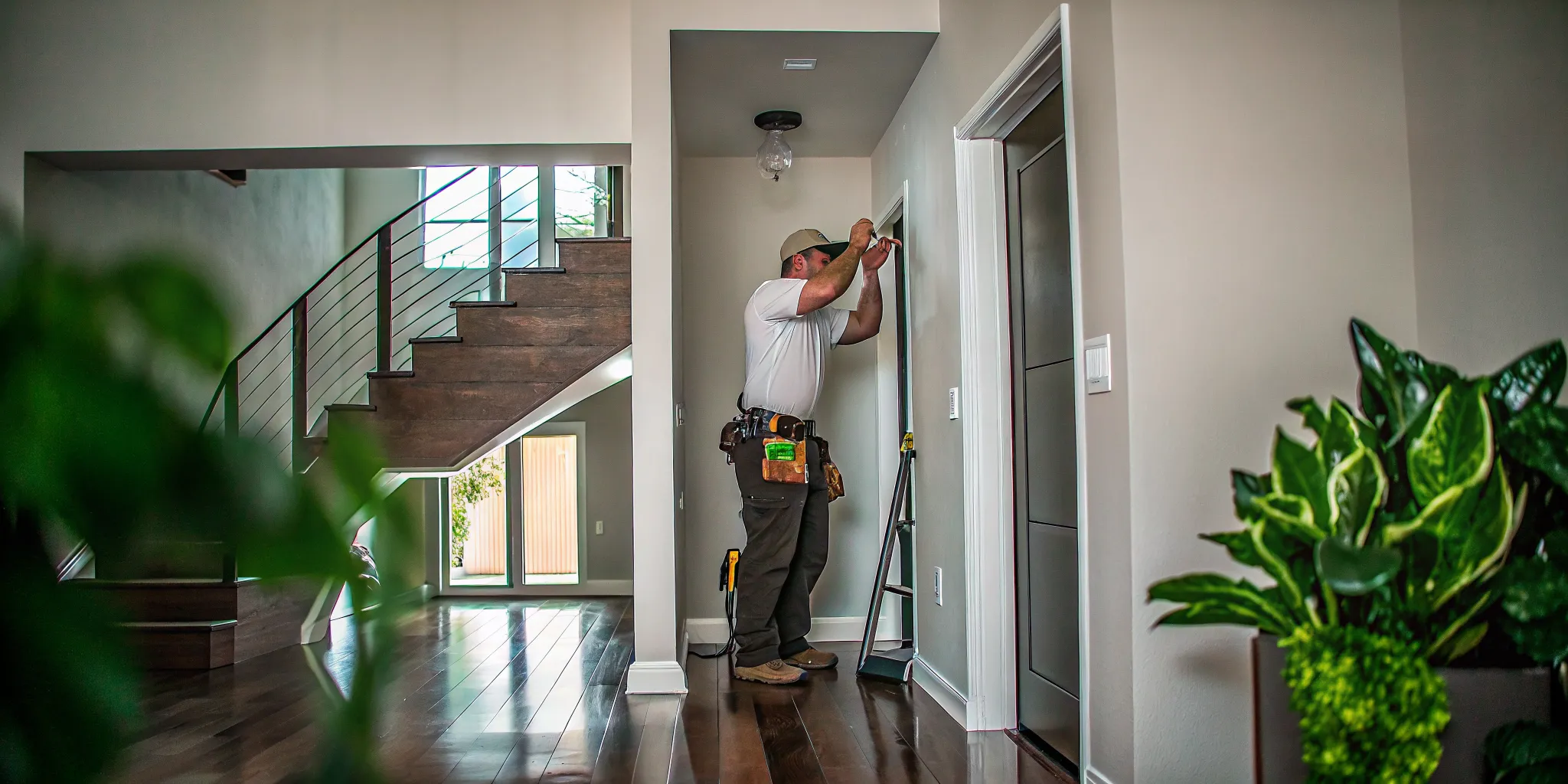
Where to put carbon monoxide detectors
Carbon monoxide (CO) is a gas you cannot see or smell. It can come from a furnace or a car in the garage. You should put a CO detector on every floor of your home. This is vital for your health. If you only have one, place it near the bedrooms. This helps the alarm wake you up if there is a leak at night.
The EPA suggests putting detectors where they can watch fuel-burning tools. This includes your water heater or fireplace. Make sure the alarm is loud. If your home has an attached garage, put a sensor near the door that leads inside. This keeps your family safe from exhaust fumes. Unlike smoke sensors, CO alarms can go at any height on the wall. But you should keep them away from children and pets.
Areas to avoid for better safety
Bad placement leads to false alarms. Keep smoke sensors at least 10 feet away from your stove. Steam from a shower or a toaster can set them off by mistake. This can be a pain, but it also makes people ignore real danger. If you have false alarms often, do not take the batteries out. Just move the sensor to a better spot.
Do not put detectors near windows or doors. Wind and drafts can blow smoke away from the sensor. You should also stay three feet away from ceiling fans and air vents. Air flow can stop the unit from working well. For whole-home safety, check that your alarms meet local DFW codes. Always read the guide that comes with your new unit. Following the maker’s rules is the best way to stay safe.
How should smoke alarms be positioned?
Position smoke alarms on the ceiling or high on a wall, away from drafts, fans, cooking smoke, and bathroom steam. Smoke and heat rise quickly during a fire, so mounting location changes how fast a sensor can warn you. Knowing where to install smoke and carbon monoxide detectors helps you create a safer home for your family.
Optimal mounting heights
Because smoke moves up, the ceiling is the best place for most sensors. If you must put them on a wall, keep them high. The EPA notes that smoke and CO alarms deal with two risks, but both need clear paths to test the air. For wall mounts, stay within 12 inches of the ceiling to catch smoke as it pools at the top of the room.
In homes with more than one floor, place at least one unit on every level. In the basement, the best spot is on the ceiling at the bottom of the stairs. This spot catches smoke that might travel up from a lower floor. For the best safety, you should also link all units. When one tool finds smoke, every alarm in the house will sound to alert everyone at once.
Clearance from drafts and fans
Moving air can cause big problems for your safety gear. Drafts can blow smoke away from the sensor. This may delay the alarm or stop it from sounding at all. Keep your tools away from windows and doors where wind might enter. You should also keep them away from HVAC vents that blow air into the room. A steady breeze from a vent can push smoke out of the range of the sensor.
Ceiling fans are another common risk. The spinning blades create air flows that can block smoke from reaching the unit. It is best to keep sensors at least three feet away from the tips of fan blades. This gap allows smoke to rise well into the unit. A professional detector placement assessment makes sure that your alarms are not blocked by these hidden drafts.
Spaces to avoid
Some parts of the home can cause false alarms or damage your units. Kitchens are a common spot for false trips. To stop this, put your smoke alarms at least 10 feet away from ovens and stoves. This gap helps prevent the alarm from going off every time you cook a meal. Bathrooms are another tricky area because steam from a shower can look like smoke to the sensor. Keep them at least three feet from bathroom doors to avoid issues.
You should also think about the heat in the room. Most units work best in places where the air stays between 40 and 100 degrees. Unfinished attics or garages that get too hot or cold might cause the unit to fail. To keep your home safe, test your alarms once a month. This simple check shows you that the cells and sensors are still working to protect your house. If you are unsure about a spot, an expert can help you find the best plan for your layout.
Where should carbon monoxide alarms go?
Place carbon monoxide alarms on every level and outside sleeping areas so occupants can hear them at night. Keep each unit away from drafts, humidity, and fuel-burning appliances according to its manufacturer’s instructions.
Best rooms for CO detectors
You need to know where to put these units to keep your family safe. Carbon monoxide (CO) is a gas that you cannot see or smell. Because of this, it can be very deadly. The best place for these alarms is on every floor of your home. If you have only one unit, you must put it near the bedrooms. This helps make sure the alarm is loud enough to wake you up if there is a leak at night. It is key to have a whole-home detector plan for your safety.
Most homes in the DFW area use gas for heat or hot water. These tools can leak gas if they break. You should have a new unit on each level, plus the basement. If your home has an attached garage, put an alarm in the room next to it. This will catch any fumes that might drift in from your car. You should also put alarms near any fuel-burning tools like a furnace or stove. Pros say you should place these units at least 5 to 15 feet away from those items to avoid false alarms.
Height and wall placement
Carbon monoxide mixes with the air in your home. It does not just rise to the ceiling like smoke does. This means you have more ways for where to mount the unit. You can put it on the ceiling or high on a wall. Some units even plug into a wall outlet near the floor. Most pros say you should mount them on a wall about 6 inches below the ceiling. You can also place them up to 6 inches above the floor.
Always check the rules from the maker of your alarm. Each brand has its own rules for the best work. If you use a unit that does both smoke and gas, you must follow the rules for smoke. Those must go on the ceiling or high on the wall to work right. These steps help you know where to install smoke and carbon monoxide detectors for the best safety.
Spaces to avoid
There are some spots where an alarm will not work well. Do not put them in a garage or a crawl space. These areas often have small amounts of gas that can set off the alarm for no reason. You should also stay away from wet spots like a bathroom. Steam can mess with the sensors. Avoid placing them near windows or doors where a draft might blow the gas away from the sensor.
Keep the units away from direct sun and high heat. Do not put them behind drapes or chairs where the air cannot reach them. If you follow these tips, your home will be much safer. If your alarm goes off, get everyone out of the house right away. Call for help from a safe spot outside. Safety is the main goal for your home and your loved ones.
Hardwired versus battery alarms
When you pick where to install smoke and carbon monoxide detectors, you also must choose a power source. The type of alarm you buy affects how often you need to check it. It also changes how well the units link to each other. Some homes have wires ready for alarms, but others do not. Your choice depends on your home layout and local safety rules. Since smoke and CO units find distinct hazards, you must make sure both types have power.
Simple battery units
Battery-only alarms are the most basic choice. They are easy to put up because they do not need wires. You can mount them on a wall or ceiling with just a few screws. These units often use a 9-volt battery. You must test these units once a month to stay safe. Also, change the battery every six months to make sure the unit has power. Many people do this when they change their clocks for the new season.
These units do not talk to each other. If a fire starts in the basement, the alarm in your bedroom might not go off until smoke reaches the top floor. This delay can cost you vital time in a crisis. These units are best for small homes or as extra units in spots with no wires. If you use them, you should still put a unit on every floor to meet safety goals.
Long life sealed units
Sealed battery alarms have a lithium battery that lasts for ten years. You do not need to change the battery during the life of the alarm. This makes them a great pick for high ceilings or spots that are hard to reach. You still need to test the unit each month by pressing the test button. This makes sure the sensor and horn work as they should.
Once the unit chirps at the end of its life, you replace the whole thing. This makes sure you always have a fresh sensor that works well. Most sealed units use a wireless signal to talk to other alarms. This allows them to work like a wired system without the need for new house wires. When one unit finds smoke, all linked units will sound at once. This helps alert everyone in the house, no matter where the danger starts.
Pro hardwired setups
Hardwired alarms connect directly to your home power. Most have a battery backup so they work during a power outage. These units link together through your home wires. When one alarm sounds, every unit in the house goes off. This gives you the best warning if a fire starts in a far-off room. Many modern codes now need these in new homes to give full safety.
For a safe home, you need professional smoke and CO alarm installation for both types of sensors. Wired units must meet the National Electrical Code to pass a home check. A pro can help you map out the best spots for these units. This makes sure your home meets the rule that every floor needs a separate detector for full safety.
| Feature | Battery Only | Sealed Battery | Hardwired |
|---|---|---|---|
| Power Source | 9V Battery | Built-in Lithium | Home Power |
| Battery Life | 6 Months | 10 Years | Backup Only |
| How They Link | None | Wireless Signal | House Wires |
| Ease to Setup | Very Easy | Easy | Needs Pro |
| Main Benefit | Low Cost | Low Upkeep | Best Warning |
| Testing | Monthly | Monthly | Monthly |
When should alarms be interconnected?
Interconnect alarms whenever the home layout and applicable code allow it, especially in multi-story homes where a distant alarm may not wake everyone. A linked system makes every alarm sound when one unit detects danger.
Linking your alarms is a top way to keep your home safe. When one unit finds fire or gas, every unit in your home sounds. This gives your family more time to get out. For the best safety, you should interconnect all smoke alarms in your home.
How linking works
Old alarms worked alone. If a fire started in the basement, the alarm upstairs might not ring yet. With a linked system, the whole house knows of the risk at once. This helps with whole-home safety in big houses or homes with many floors.
When to call a pro
Some units link by radio waves, but most new homes use wires. These units use your home wires to talk to each other. Since this touches your power lines, a pro should do the work. DFW homeowners should not try to change wires on their own. If you need interconnected alarm installation, an expert can make sure your system meets safety codes.
Better safety with links
Hardwired linked systems work well. They do not rely on batteries only, but they have battery backups. A pro will check that every unit is on the right circuit. This makes sure your home is ready for any danger. A linked system gives you peace of mind because every room hears the alarm at the same time.
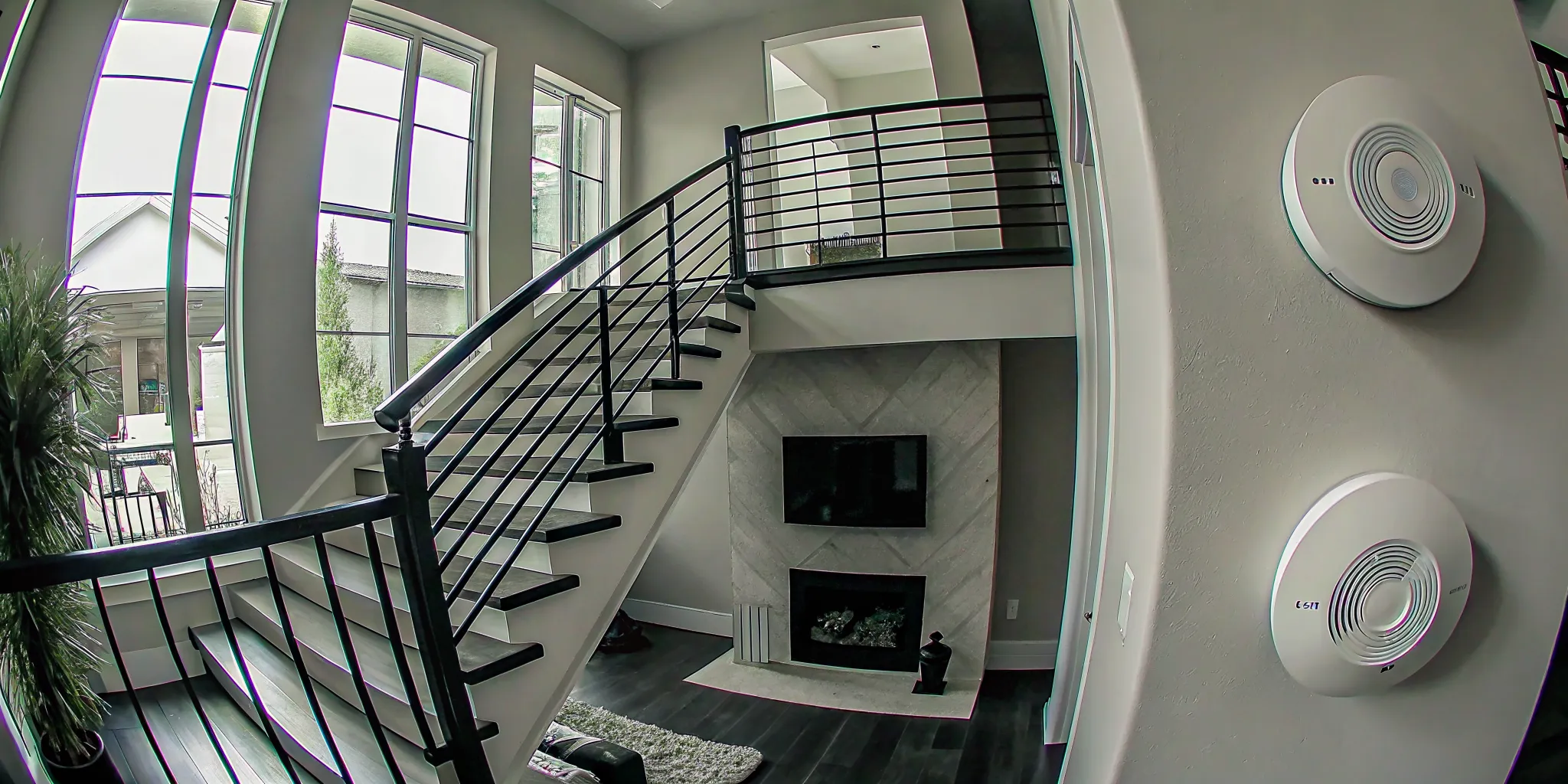
How to test and replace your alarms
Your safety tools only work if they stay in good shape. It is not enough to know where to install smoke and carbon monoxide detectors to keep your home safe. You must also check them often to be sure they will sound in an emergency. Good upkeep helps you avoid false alarms. It also helps the sensors find smoke or gas fast. Taking a few minutes to clean and test your units can save lives during a fire or a gas leak. It is a small task that makes a huge change in your home safety.
Check your sensors every month
You should test every alarm in your house at least once a month. This simple step shows if the battery and the horn still work. Most units have a small button on the front for this task. Hold the button until the alarm sounds. If the sound is weak or if nothing happens, you must fix it right away. If your lights flicker or breakers trip while you run tests, you may need troubleshooting and diagnostics to find the root cause.
Often tests help you learn the sound of your alarms. This makes it easier for your family to react fast if a real danger occurs. You should also teach children what the siren means. A quick check lets you rest easy knowing that your home and your family are safe. Many people set a note on their phones to do this task on the first day of each month. Regular checks are the best way to stay safe.
Steps to maintain your devices
Use these steps to keep your safety units in top form. Proper care keeps dust and dirt from blocking the sensors. Since smoke and CO alarms detect distinct hazards, you must care for both types. Keeping a log of when you last checked each unit is a great way to stay on track with your home safety plan.
- Test the alarm: Press and hold the test button on each unit until you hear the loud siren.
- Clear the vents: Dust the outside of the cover with a soft brush or vacuum to keep the air paths clear for smoke and gas.
- Listen for warning chirps: Short chirps can mean the battery is low or the unit is near its end of life and needs a swap.
- Check the manufacture date: Review the back of the device and buy a new one before the unit gets too old.
- Clean safely: Wipe the unit with a dry cloth, but never use paint that could stop the unit from working.
- Record the maintenance: Make a note in a house log or phone app with the test date and any battery changes.
When to call a pro
Some homes use units that link together through the house wires. This means if one unit sounds, they all sound at the same time. This is a great way to get a warning if a fire starts in a far room. If you have trouble with these linked systems, our team can help. We offer full electrical services to install new units or fix old wires. Safe wiring is the base of a strong alarm system in your DFW home.
A pro can also help if you find that your alarms go off for no reason. This often happens if the unit is too close to a kitchen or a bathroom. We can look at your home and show you the best spots for your safety tools. We make sure every unit meets local codes and stays in top shape. We check the connections and make sure each unit has a clear path to the power source. Trusting an expert ensures your home detection system is ready for any threat.
What changes placement in a DFW home?
The number of levels, sleeping areas, attached garages, additions, and existing wiring all change detector placement in a DFW home. Reassess coverage whenever you remodel or change how a room is used.
Homes in the Dallas-Fort Worth area come in many shapes and sizes. From older homes in historic districts to new builds in Frisco, your layout changes your safety needs. Knowing where to install smoke and carbon monoxide detectors depends on the rooms and levels in your home. Each change, such as adding a room or finishing a space, means you should check your plan again.
Multi-story homes and finished attics
If you live in a multi-story home, you must have alarms on every level. This rule also applies to finished attics and basements. For the best safety, the NFPA says you should place a smoke alarm on each floor. This ensures everyone in the house will hear the alert. It is a basic step for home safety.
Finished attics are often used as extra bedrooms or play areas. Because people spend time there, they need the same safety as the rest of the home. In these spaces, place alarms away from air vents or ceiling fans. Drafts from these spots can blow smoke away from the sensor. If the sensor cannot reach the smoke, it may delay the alarm.
Attached garages and home additions
Many DFW homes have attached garages. These spaces are common sources of carbon monoxide because of car exhaust. While you should not put a detector inside the garage, you must put one in the room right next to it. The EPA suggests placing carbon monoxide detectors near all sleeping areas to wake you if a leak occurs. This is vital if your bedrooms are above or next to the garage.
When you add a new room or fix up your home, you may need to update your entire alarm system. Newer building codes often require all alarms to be linked together. This means if one alarm goes off in the kitchen, the alarm in the bedroom will also sound. This code-conscious alarm upgrade is vital for large homes. In a big house, a single alarm might be too quiet to hear from the other side of the building.
Older homes and code rules
Older homes in the DFW area may not have enough outlets or the right wiring for modern alarms. These homes often rely on battery-only units that are not linked. From an electrician’s perspective, older DFW homes deserve special attention because adding hardwired, interconnected alarms may require careful routing that protects the home’s existing finishes. TLC Electrical Services can assess the circuits and recommend a practical path to safer coverage. If you live in an older house, it is wise to have an expert perform a check. They can make sure your home meets the current National Electrical Code rules. This keeps your family safe and helps you avoid issues during a home sale.
Safe homes also need detectors placed far enough from bathrooms and kitchens. Steam from a shower or smoke from a toaster can cause a false alarm. Keeping your smoke alarms 10 feet from the stove helps stop these annoying beeps. If you are unsure about your home’s layout, an electrician can help you find the best spots. They can also check if your devices work well in high heat.
Not sure whether your current alarms provide full coverage? Schedule a DFW detector safety assessment with TLC Electrical Services.
Frequently Asked Questions
Can smoke and carbon monoxide detectors be installed together?
Yes, combination units are a safe choice for many homes. These tools track both smoke and gas at the same time. If you use one on a ceiling, it must be at least six inches from the wall. Because they find smoke, you should mount them high on a wall or on the ceiling. This helps them catch rising smoke while also tracking gas leaks in the air.
How often should I test my smoke and carbon monoxide detectors?
You should test your safety tools at least once a month. To do this, press the test button on each unit and wait for the loud beep. This simple check shows you that the battery and sensor still work well. Experts at First Alert say this monthly habit is key for your home. You should also change the batteries every six months if your unit uses them.
Can I paint my smoke or carbon monoxide detector?
No, you should never paint your safety units. Paint, stickers, or other items can block the sensor vents. This can stop the unit from finding smoke or gas during a crisis. The NFPA warns that paint can keep these alarms from working right. If you want a unit that looks better, look for models with a slim design that fits close to the wall.
Why is my smoke detector chirping if there is no fire?
A chirping sound often means the battery is low. If you hear a single beep every minute, you should change the battery right away. If your unit is ten years old, the chirp might mean it has reached the end of its life. Most units perform best when the air is between 40 and 100 degrees. Extreme heat or cold can also cause issues with how your sensor works.
Do I need a carbon monoxide detector inside my bedroom?
You only need a carbon monoxide detector inside a bedroom if it has a fuel-burning item like a gas heater. Otherwise, you should place the unit in the hall outside of the sleeping area. This helps the alarm wake you up if there is a leak in another part of the home. The EPA says putting a unit near your bed is the best way to stay safe at night.
Ready to keep your DFW home safe from fire and gas leaks right now?
If you wait to check your home for gas leaks or fire, you risk the lives of the people who live in your house today. It only takes one small spark or a slow leak to cause a large loss that will cost you much more than a fix now. You can reduce these risks when you book a visit for expert detector installation to keep your house safe.
Ready to schedule smoke and carbon monoxide detector service? Call (817) 424-2684 to talk to an expert and get your house safe now. Our local team is ready to help you with your next home project in the DFW area today.