
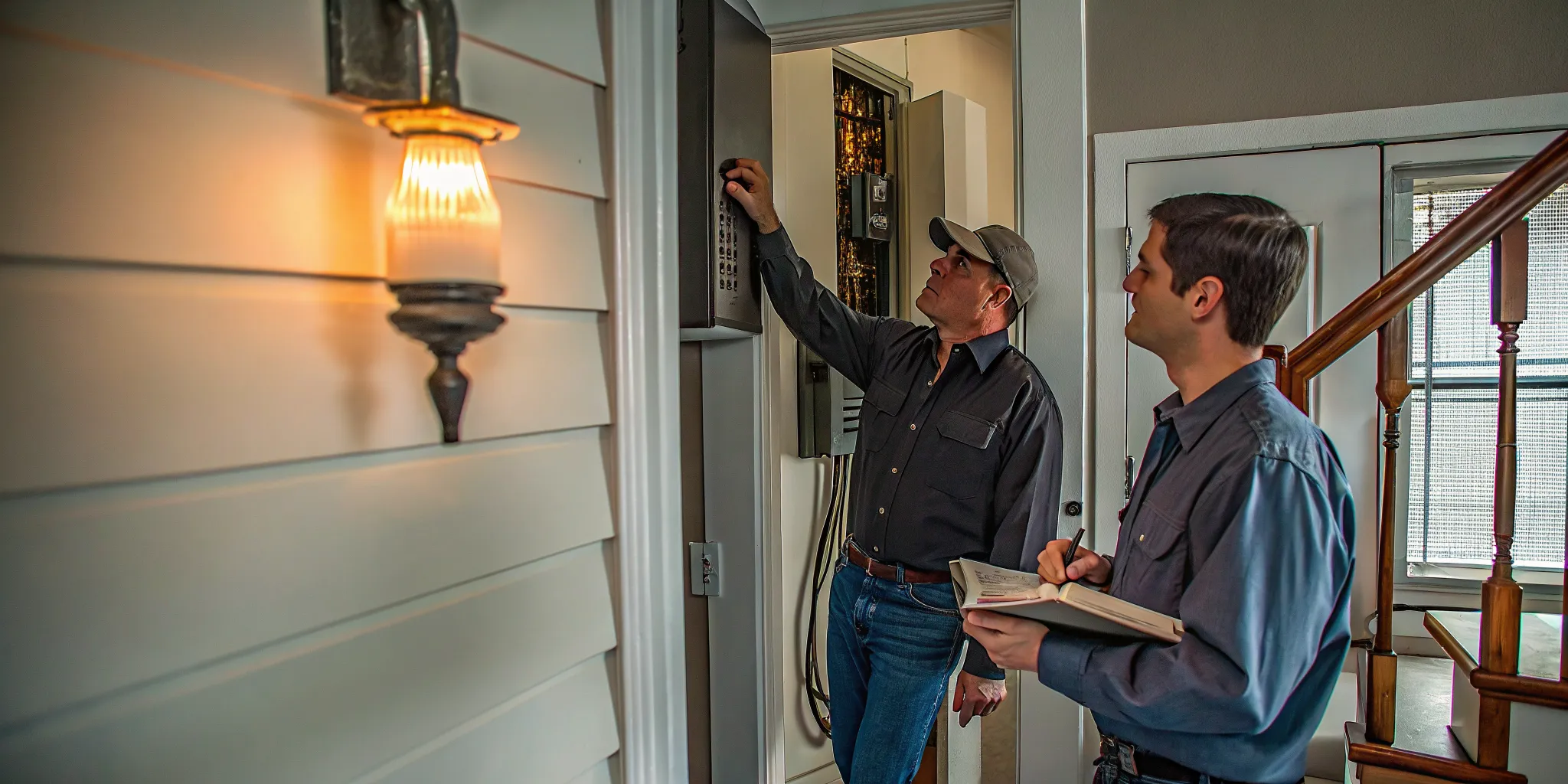
An older DFW home’s fresh paint can hide decades of unsafe electrical shortcuts. Find them before closing day or before renovation walls open. The repair plan will be safer and far easier to budget.
An electrical safety inspection checks whether an older home’s panel, wiring, outlets, grounding, and protective devices can safely handle current and planned loads. It identifies hazards such as overheated connections, ungrounded receptacles, overloaded circuits, damaged conductors, missing GFCI or AFCI protection, and work that may not meet code. The electrician also compares available capacity with planned upgrades, including larger appliances, EV charging, added HVAC equipment, pools, or a renovated kitchen. Texas inspection standards require inspectors to report grounding deficiencies and problems with installed GFCI or AFCI devices, among other electrical safety concerns. That report gives buyers leverage before closing and helps renovators address hidden hazards before new finishes make repairs harder and more expensive.
The key question is not simply whether the lights turn on, but whether the system can protect your family and support the home’s next chapter. Start with What an electrical safety inspection covers in an older DFW home, then use the findings to plan smart repairs. Here’s how.
What an electrical safety inspection covers in an older DFW home
An electrical safety inspection looks beyond whether the lights turn on. A licensed electrician checks how power enters, moves through, and protects an older home. Buyers and renovators gain a clearer view of current hazards, repair needs, and limits that could affect planned work.
If you need this review before buying or remodeling, call TLC Electrical at (817) 424-2684 to discuss the home’s age, known issues, and project plans.
Panel condition and available capacity
electrical panel is a key starting point. The electrician checks its condition, main disconnect, breakers, conductor connections, labels, grounding, and signs of heat or damage. The review also looks for mismatched breakers, crowded wiring, open spaces, corrosion, and poor access around the equipment.
Capacity matters as much as condition. An older panel may work for today’s demand but lack room for an EV charger, new HVAC equipment, or a kitchen remodel. Frequent breaker trips can also point to an undersized or overloaded circuit. TLC’s guide explains other signs that can show when to replace an electrical panel.
Wiring, outlets, and protective devices
The electrician traces accessible branch wiring and notes its type and visible condition. Common concerns include damaged insulation, loose connections, unsafe splices, aluminum conductors, and older wiring methods. Outlets are checked for power, grounding, secure mounting, heat marks, and physical damage.
GFCI and AFCI devices also need close review. Their test functions help show whether the devices respond as intended. Texas inspection standards call for reporting missing GFCI protection in areas such as bathrooms, garages, outdoor spaces, and kitchen counters. They also identify absent AFCI protection and failed device operation as deficiencies.
Safety red flags and the inspection report
A complete review connects individual findings to the home’s wider safety picture. The electrician looks for visible damage, buzzing, heat marks, ungrounded outlets, poor bonding, overloaded circuits, and unsafe panel locations. The service entrance and accessible equipment may also show wear from age, weather, pests, or past repairs.
- Items that need prompt repair because they present a safety concern.
- Older equipment that works now but may limit a renovation.
- Missing protection or installation details that do not meet current safety expectations.
- Further testing needed where walls or finishes hide the wiring.
The written findings should separate observed hazards from suggested upgrades. Texas rules list grounding defects, damaged panel covers, unsuitable panel locations, and unsafe conductor conditions among reportable issues. Reviewing the Texas electrical inspection standards can help buyers understand that scope. The report then gives an electrician a practical starting point for repair or renovation planning.
Why older Dallas-Fort Worth homes need extra electrical attention
Older Dallas-Fort Worth homes often carry electrical systems built for a different kind of daily life. Their wiring, outlets, and breaker boxes may have served for decades while each owner added new fixtures or circuits. A room may look updated even when the wiring behind its walls is not.
Hidden age and remodel risks
Common warning signs include outdated wiring, ungrounded outlets, overloaded panels, buzzing, and signs of excess heat. An electrical safety inspection helps uncover these issues before a repair, purchase, or remodel moves ahead. It also gives the homeowner a clearer record of the system’s condition.
Past remodel work adds another layer of uncertainty. A previous owner may have moved outlets, extended circuits, or changed fixtures without leaving clear records. A licensed electrician can check whether those changes fit the circuit and use sound connections.
Older panels and modern loads
An aging breaker box may work under ordinary demand but struggle as the home’s power needs grow. EV chargers, larger HVAC equipment, kitchen appliances, pool equipment, and smart-home devices can all add loads that deserve review. Repeated trips or an undersized panel call for a closer look at a possible electrical panel upgrade.
A proper review covers more than breaker labels. Texas electrical inspection standards call for reporting faults in grounding, conductors, panel covers, overcurrent devices, and main disconnects. These checks help show whether the panel and its circuits can support current use safely.
Protection where risks are higher
Older systems may also lack the shock and arc-fault protection now expected in key parts of a home. Inspectors should check GFCI and AFCI devices, along with grounding and bonding. The test matters because an inoperable GFCI test or reset button can leave residents at greater risk of shock.
- Check bathrooms, garages, outdoor outlets, and kitchen countertop outlets for GFCI protection.
- Look for ungrounded outlets, damaged covers, warm devices, buzzing, or repeated breaker trips.
- Review new loads before adding an EV charger, pool equipment, major appliance, or HVAC system.
The HUD electrical safety standard notes that a failed GFCI test or reset function raises shock risk during a ground fault. For an older DFW home, that makes hands-on device testing just as important as a visual check.
Electrical panel and circuit breaker red flags to look for
The electrical panel controls how power moves through the home. An electrical safety inspection can reveal panel problems that are easy to miss during daily use. Do not remove the panel cover or touch internal parts yourself.
Signs of excess demand
An undersized panel may no longer support the home’s current electrical demand. This issue is common after adding large appliances, an EV charger, a hot tub, or new living space. A licensed electrician can compare the available panel capacity with the home’s actual needs.
Frequent breaker trips also need attention. A breaker may trip because a circuit is overloaded, but repeated trips can point to a wiring or equipment fault. Do not keep resetting a breaker without finding the cause. TLC’s guide explains other clues that can help homeowners decide when to replace an electrical panel.
- Breakers trip often during normal appliance use.
- Several high-demand devices share one circuit.
- The panel has no open spaces for planned electrical work.
- Lights dim when a major appliance starts.
Heat, sound, and moisture warnings
Heat marks, melted plastic, or a burnt smell near the panel call for prompt review. Buzzing or crackling can also signal a loose connection or another fault. If the panel feels hot, smells burned, or gives off smoke, keep away and seek help at once.
Rust, water stains, and corrosion are red flags because moisture can damage the panel and its connections. The cabinet should also be easy to reach and protected from damage. Texas inspection rules for electrical systems treat damaged covers, poor access, grounding faults, and unsuitable panel locations as reportable defects.
- Brown or black marks appear around breakers or the panel cover.
- Rust, moisture, or water stains appear inside or near the cabinet.
- The panel makes a steady buzz, crackle, or popping sound.
- The cover is loose, damaged, or missing.
Improper or outdated panel parts
Double-tapped breakers have two conductors connected where the breaker may be meant for one. A licensed electrician should confirm whether the breaker permits that setup. The electrician can also check that breakers and conductors are compatible and properly connected.
Missing or unclear circuit labels make safe shutoffs harder during repairs or an emergency. Labels should match the areas and equipment each breaker controls. Do not guess by switching breakers while someone is working on the system.
Obsolete equipment also deserves review, even when it still supplies power. Age alone does not prove a panel is unsafe, but older parts may not suit the home’s present load. An electrician can assess its condition, grounding, main disconnect, and protective devices before recommending repair or replacement.
Wiring, outlets, grounding, and GFCI or AFCI protection
Wiring and outlet warning signs
An electrical safety inspection looks past whether a lamp turns on. An electrician checks accessible wiring and outlets for heat damage, loose parts, poor connections, and signs of age. Older wiring is not always unsafe, but its condition and fit for the home’s current electrical load both matter.
Two-prong outlets often signal that a circuit lacks an equipment grounding path. An inspector may also find three-prong outlets that appear updated but are not grounded as expected. These findings need a licensed electrician’s review because the right fix depends on the circuit, wiring method, and panel.
Loose outlets, cracked faceplates, scorch marks, buzzing, or plugs that fall out can point to damaged parts or weak connections. Ask which findings need prompt repair and which should be watched. Also ask whether the issue affects one outlet, one circuit, or a wider part of the home.
GFCI and AFCI protection
GFCI protection helps reduce shock risk when electricity takes an unintended path. During a Texas inspection, missing GFCI protection is reported in areas such as bathrooms, garages, outdoor spaces, and kitchen countertops. The Texas inspection standards also call for testing installed GFCI and AFCI devices.
AFCI protection addresses arc faults, which can start when damaged or loose wiring creates unwanted electrical arcs. A home may have some protected circuits and some without protection. The inspector should explain where protection is missing, where devices failed testing, and what current safety rules call for.
A test or reset button that does not work is more than a minor nuisance. HUD notes that an inoperable GFCI test or reset button can raise shock risk when a ground fault occurs. Ask whether each failed device needs replacement and whether further circuit testing is needed.
Grounding and bonding findings
Grounding and bonding work together, but they serve different safety roles. Grounding connects the electrical system to earth. Bonding joins metal parts so fault current has a planned path that helps protective devices respond. An inspection checks for missing, loose, damaged, or improper connections.
Texas standards treat deficiencies in the grounding electrode system, bonding, and grounding as reportable findings. Problems may appear at the service equipment, grounding electrodes, or branch circuits. If panel changes are recommended, ask whether the work is a repair or part of a broader electrical panel upgrade.
Useful questions keep the next step clear without turning the report into a do-it-yourself plan:
- Which findings pose a shock risk, fire risk, or both?
- Which repairs should happen first, and why?
- Are the two-prong outlets ungrounded, and what safe options fit those circuits?
- Where are GFCI or AFCI devices missing or unable to pass a test?
- Does the grounding or bonding issue affect the whole system or one circuit?
Do not remove outlets, open panels, or alter grounding connections to investigate these findings. A licensed electrician can confirm the cause, explain repair options, and complete work that fits the home’s electrical system.
How inspection priorities change for buyers versus renovators
A home buyer and a renovator may inspect the same electrical system, but they need different answers. Buyers need to know which faults affect safety, cost, or the closing decision. Renovators need to know whether the system can support planned work. A focused electrical safety inspection helps each person set the right next step.
Buyer priorities before closing
Before closing, focus first on defects that could pose a risk or lead to major repairs. Ask the inspector to check the service, panel, grounding, branch circuits, outlets, and visible wiring. Warning signs may include heat damage, loose parts, ungrounded outlets, repeated breaker trips, or outdated wiring.
The report should separate urgent hazards from repairs that can wait. Texas inspection rules call for reporting issues such as missing panel covers, grounding faults, and absent protection in certain areas. They also address panel access and location. These Texas electrical inspection standards give buyers useful context for reviewing findings before closing.
Renovation priorities before work starts
A renovator should begin with the planned rooms, new equipment, and added electrical load. The electrician can then check panel capacity, circuit size, grounding, and the path for new wiring. This review can show whether an electrical panel upgrade belongs in the project scope.
Complete this check before opening walls or ordering major equipment. A clear plan can reduce rework when a kitchen, addition, workshop, or EV charger needs a dedicated circuit. It also gives the contractor time to plan safe access, permits, and the order of work.
| Inspection focus. | Home buyer. | Renovator. | Next step. |
|---|---|---|---|
| Panel and service. | Look for damage, unsafe parts, and aging equipment. | Check capacity for the planned load. | Request repair or upgrade options. |
| Branch circuits. | Find overloaded, damaged, or ungrounded circuits. | Map circuits that serve the work area. | Plan repairs or new circuits. |
| GFCI and AFCI protection. | Confirm installed devices work. | Check protection needs for the new layout. | List needed safety updates. |
| Project timing. | Inspect before the closing deadline. | Inspect before walls open or loads increase. | Set scope before work begins. |
A useful inspection request
Tell the electrician whether you are buying, remodeling, or doing both. Share the inspection deadline, renovation plans, and any known trouble, such as buzzing or frequent trips. TLC can review the system and explain repair options with upfront pricing. Schedule residential electrical service before closing or construction starts.
What code-compliance findings should not be ignored?
Some inspection notes point to a direct safety concern, not a minor repair for later. These findings need prompt review by a licensed electrician who can uncover the cause and explain the right fix.
Unsafe connections and exposed parts
An unsafe splice may leave a loose or exposed connection that can heat up or create a shock risk. Missing junction-box covers and panel covers can also expose live parts. Treat scorch marks, melted insulation, a burning smell, or heat near electrical gear as urgent warning signs.
Texas inspection standards list damaged or missing panel covers and faulty connections as reportable deficiencies. They also call for review of conductor condition and service-entrance insulation. The state’s full list of electrical inspection deficiencies shows why these notes need more than a quick visual check.
- Do not touch an open box, exposed wire, or damaged panel.
- Stop using a circuit if an outlet, switch, or breaker shows heat damage.
- Seek prompt help for smoke, arcing, persistent buzzing, or a burning odor.
Grounding, bonding, and required protection
Improper grounding or bonding can keep the electrical system from handling a fault as intended. Missing GFCI or AFCI protection also deserves attention, especially when a device will not test or reset. These findings may point to old work, an incorrect installation, or a failed safety device.
Texas standards require inspectors to report grounding-system defects and missing protection in required areas. HUD also warns that an inoperable GFCI test or reset button can raise the risk of shock during a ground fault. A licensed electrician should assess failed devices and any related wiring before the circuit returns to normal use.
During an electrical safety inspection, the electrician can test protection and trace defects beyond the visible device. That focused review helps separate a failed receptacle from a wider circuit problem.
Unpermitted work and insufficient capacity
Work that appears altered without a permit record needs closer review. It may hide incorrect wire sizes, poor splices, missing protection, or other defects behind finished walls. Permit rules differ by location, so an electrician can help define the repair scope and next steps.
Capacity concerns also matter. Repeated breaker trips, overloaded circuits, heat damage, or a panel that cannot support current demand should not be dismissed. These signs call for load review and diagnosis, not a larger breaker installed without checking the conductors.
If the panel is unsafe or undersized, an electrician can explain whether repair or replacement fits the finding. TLC’s guide to when to replace an electrical panel covers warning signs homeowners can watch for.
How to prepare for an electrical safety inspection
A little preparation helps the electrician spend more time checking the system and less time looking for access. It also helps you get answers that fit your plans, budget, and home’s current needs.
Information to gather
Collect any past inspection report, repair invoice, panel schedule, permit record, or note from your home purchase. These records can show past concerns and help the electrician focus on changes since the last review.
Write down planned renovations and new electrical loads, such as an EV charger, hot tub, or large appliance. This list helps the electrician assess whether you may need an electrical panel upgrade.
Your preparation steps
Use this checklist before the electrical safety inspection. Do not remove a panel cover or touch exposed wiring yourself. Leave those tasks to a licensed electrician.
Gather useful records. Place past reports, invoices, permits, and renovation plans together so they are ready when the electrician arrives.
.
List every concern. Note rooms with flickering lights, warm outlets, buzzing sounds, dead receptacles, or breakers that trip. Include when each issue happens.
.
Make key areas easy to reach. Clear items from the panel, outlets, switches, attic access, and crawl space entry. Texas inspection rules call for at least 36 inches of clearance in front of electrical cabinets.
.
Check basic access. Unlock gates and rooms, secure pets, and make sure an adult can show the electrician around. Point out hidden panels or outdoor equipment.
.
Explain future plans. Discuss additions, remodels, new appliances, and other loads. Ask whether the current panel and circuits have enough capacity for the work.
.
Request written recommendations. Ask the electrician to separate urgent safety concerns from planned upgrades. The report should explain each issue, the suggested fix, and its priority.
.
Access and follow-up questions
Good access matters because an inspector must be able to review the panel and related parts. The Texas inspection standards also cover grounding, main disconnects, accessible alarms, and the operation of installed GFCI and AFCI devices.
Before the visit ends, ask which findings affect safety now and which can wait. If panel capacity or repeated breaker trips are concerns, review the written findings alongside information on when to replace an electrical panel.
Keep the final report with your home records. It can guide repair choices, support future renovation planning, and give the next electrician a clear starting point.
Frequently Asked Questions
How often should an older home have an electrical safety inspection?
A practical baseline is every two to three years for an older home, compared with every three to five years for many newer homes. Schedule one sooner after storm damage, repeated breaker trips, burning smells, or major electrical changes. An inspection is also useful before planning a renovation that will add appliances, an EV charger, or other heavy loads.
Is an electrical inspection required when buying an older home?
An electrical inspection is not always legally required during a home purchase, but lenders, insurers, or local rules may affect the transaction. A focused inspection can uncover outdated wiring, fire hazards, and possible insurance concerns before closing. Confirm the specific requirements with the lender, insurer, and local authority, then use a licensed electrician to evaluate any concerns.
Can any electrician perform an electrical safety inspection?
Choose a licensed, insured, and bonded electrician with experience inspecting residential systems and applying local code requirements. The electrician should be able to evaluate panels, conductors, grounding, outlets, and protective devices, then explain each finding clearly. Ask what the inspection covers and whether the written report separates immediate safety hazards from recommended upgrades.
Why is it important to check GFCI and AFCI protection?
GFCI devices reduce shock risk during a ground fault, while AFCI devices help protect against dangerous arcing conditions. Both devices should trip and reset correctly. Under Texas inspection standards, inspectors report missing required GFCI or AFCI protection and problems with installed devices. These checks are especially important in older homes with past additions or renovations.
Ready to Schedule Your Electrical Safety Inspection?
Waiting until closing day or renovation work begins can turn an electrical concern into an urgent and costly decision. Starting now gives you time to understand the home’s panel, wiring, outlets, grounding, and protection needs before other plans move forward. A clear inspection report helps you set priorities, discuss next steps, and plan electrical work around your purchase or renovation timeline.
Do not let unanswered electrical questions create avoidable delays when decisions are already underway. TLC Electrical can inspect the older DFW home and explain which concerns need prompt attention and which items can be planned. Ready to schedule an electrical safety inspection? Call (817) 424-2684 to request your inspection and discuss a practical timeline.