

A pool should feel calm, not uncertain. If a ladder, light, pump, or wet deck becomes part of an electrical fault, the problem can move through the exact area where people are barefoot and in contact with water. That is why pool bonding deserves attention before the first party of the summer, not after a strange tingle or a tripping breaker interrupts it.
Concerned about pool bonding or pool electrical safety in Dallas-Fort Worth? Schedule a pool and spa electrical inspection with TLC Electrical.
Pool bonding connects conductive pool parts into one safety network. That network can include rails, ladders, pump equipment, heaters, metal fittings, structural steel, and the pool water bond when present. The goal is to reduce voltage differences around the water and wet decking so a swimmer is less likely to become the easiest path for current. Bonding is different from grounding. Grounding routes fault current through the electrical system. Bonding keeps touchable pool-area surfaces at a similar electrical potential. For DFW pool owners, a licensed pool electrician should inspect bonding when equipment is installed, repaired, replaced, or suspected of being unsafe.
Pool electrical systems are not the right place for guesswork. A pump can run, a light can turn on, and a breaker can appear normal while a hidden bonding connection is still loose, missing, corroded, or bypassed. Here is what pool bonding does, which warning signs matter, and when TLC Electrical recommends calling a licensed electrician.
Pool bonding keeps pool electricity at the same safe potential
Pool bonding is the safety connection between conductive parts in and around a swimming pool. A bonding conductor ties those parts together so they are less likely to sit at different voltage levels. In plain language, bonding helps keep one wet surface from feeling electrically different than another surface a swimmer may touch.
This matters because a person in pool water can also touch a ladder, rail, light housing, handrail anchor, or metal fitting. Equipotential bonding creates a common electrical plane around the pool area. A Michigan Agricultural Electric Council technical note explains that equipotential bonding reduces voltage gradients and lowers shock risk for swimmers.
Bonding is not the same as grounding
Bonding and grounding work together, but they do different jobs. Bonding joins conductive items in the pool zone to limit voltage differences between them. Grounding gives electrical equipment a planned fault-current path through the wiring system. A pump motor, light, or control panel can need both.
| Point of comparison | Bonding | Grounding |
|---|---|---|
| Main purpose | Reduces voltage differences around the pool. | Provides a fault-current path for equipment. |
| What it connects | Conductive pool-area parts and metal features. | Electrical equipment and grounding conductors. |
| Common examples | Rails, ladders, shell, fittings, pumps, heaters. | Pumps, lights, panels, and supplied equipment. |
| Safety role | Creates an equipotential plane near swimmers. | Supports overcurrent and fault protection. |
A grounding conductor on a pump does not replace the bonding network. In the same way, a bonding wire does not make incorrect grounding acceptable. Both should be reviewed when a pool is built, repaired, renovated, or inspected after years of service.
Common parts that may need bonding
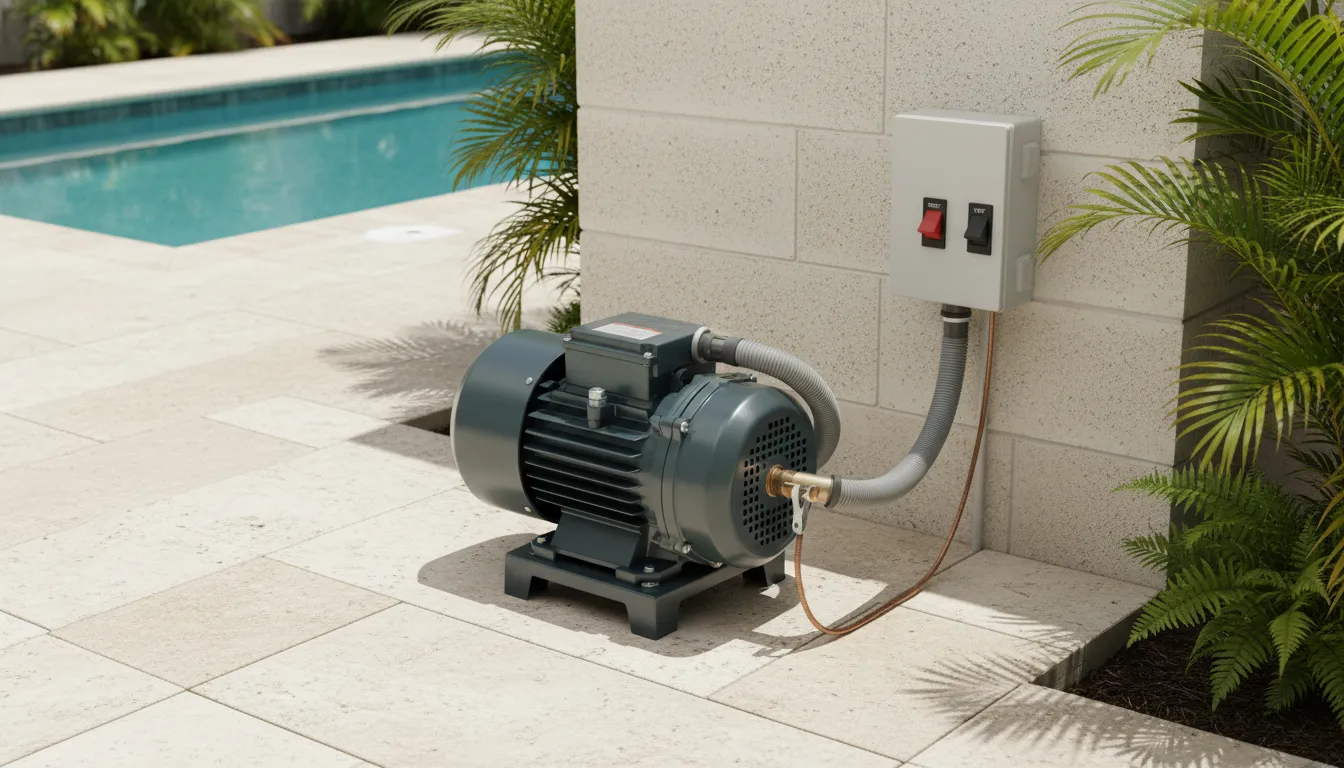
The bonding path is often hidden once the pool and deck are finished. Visible clues still help homeowners understand the system. Stainless rails, ladder anchors, metal coping, underwater light assemblies, pump motors, heaters, and equipment cabinets may all be part of the safety review. TLC Electrical covers these pool-area concerns through its pool equipment repair and installation service.
Pool water is also part of the safety picture. A swimmer can move between water and metal in one motion. The bonding system is designed to address that contact zone before anyone enters the pool.
Quick takeaway from TLC Electrical: Pool bonding is a safety network, not a visible accessory. If a wire, clamp, rail, pump, or light was changed, have a licensed electrician test the full path instead of relying on appearance.
Why DFW pool owners should take bonding seriously
Dallas-Fort Worth homeowners get a long pool season. That means pumps, lights, heaters, controllers, and outdoor outlets work through heat, storms, moisture, and heavy use. Bonding is not just a code detail hidden behind the equipment pad. It is one layer of protection where bare feet, wet decking, metal, and water meet.
Older pools can raise special questions because equipment may have been replaced several times. One owner may have added a heater. Another may have changed the pump, resurfaced the pool, added a rail, or updated lights. Each change can affect the bonding system if the work was not handled by a qualified electrician.
Local conditions can expose weak points
DFW weather can be hard on outdoor electrical equipment. Heat, irrigation overspray, storm runoff, freeze events, pests, and soil movement can all affect equipment pads and conduit over time. Corrosion on a clamp or damage near a junction box does not prove the bonding has failed. It does mean the area deserves professional testing.
TLC Electrical has served the Dallas-Fort Worth metroplex since 2003 and focuses exclusively on electrical service. That matters when pool owners need a code-minded diagnosis rather than a quick guess from a non-electrical trade. The company provides residential electrical support across DFW, including general electrical services and pool-specific electrical work.
Bonding supports safer maintenance decisions
A homeowner may notice a tripping breaker, dimming pool light, or pump that stops during high use. Those symptoms do not automatically mean the bonding system is the cause. They do mean the electrical system should be tested safely. Touching rails, entering the water, or repeatedly resetting a breaker is not a diagnostic plan.
Pool bonding is one part of a larger safety system that can include GFCI outlet safety, proper grounding, weather-rated enclosures, safe conduit, listed equipment, and correct breaker sizing. TLC Electrical’s pool and spa service process includes checking connections, testing GFCI protection, cleaning and inspecting the pool panel, and reviewing equipment concerns as part of maintenance.
Quick takeaway from TLC Electrical: In DFW, pool electrical safety is affected by weather, age, renovations, and equipment changes. If the history is unclear, testing is safer than assuming the pool is ready.
What are the warning signs of pool bonding problems?
Pool bonding problems are not always obvious. The clearest warning is a tingle, shock, or unusual sensation in the water, on a handrail, on a ladder, near a wet deck, or around pool equipment. If that happens, keep people out of the water and call a licensed electrician.
Do not enter the pool to see if the feeling happens again. Do not ask someone else to check it. Electricity and water do not leave room for casual testing. The safe response is to stop use, describe the symptom clearly, and arrange a professional inspection.
Electrical symptoms to take seriously
- Tingling when touching pool water, rails, ladders, lights, or deck fixtures.
- A shock near the pool, spa, pump, heater, light controls, or equipment pad.
- GFCI protection that trips repeatedly or will not reset normally.
- Pool lights that flicker, dim, fail, or behave differently than usual.
- Power loss, buzzing, overheating, or unusual operation at pool equipment.
These signs may point to bonding, grounding, damaged wiring, moisture intrusion, a failing component, or another electrical fault. The point is not to diagnose from the deck. The point is to stop pool use until a qualified electrician can test the system.
Visible equipment concerns
Look from a safe distance for rust, green corrosion, cracked fittings, loose bonding clamps, broken conduit, open covers, or exposed wire. These signs do not confirm the exact repair. They do show that the pool area should be checked before swimmers use it again.
Pool owners should also pay attention after storms or freeze damage. Water around the equipment pad, shifted conduit, damaged covers, and outdoor panel issues can create electrical concerns. TLC Electrical provides electrical troubleshooting and diagnostics for problems that need a careful, tool-based evaluation.
Quick takeaway from TLC Electrical: Tingling, shocks, repeated GFCI trips, flickering pool lights, corrosion, and damaged conduit are stop-use signs. Keep swimmers out and schedule a licensed inspection.
What does a pool bonding inspection include?
A pool bonding inspection checks whether connected metal parts, pool water, and electrical equipment form a safe bonding system. A licensed electrician uses test tools, safe work practices, and code knowledge to find gaps that may not be visible. The review should cover the pool setting from the deck edge to the equipment pad.
This is not a do-it-yourself checklist. A visual look can miss broken continuity, hidden splices, poor connections, or work buried under deck material. A professional inspection is meant to document what is present, what can be tested, and what needs repair.
Typical inspection steps
Review the pool area. The electrician identifies exposed metal near the water, including rails, ladders, anchors, fixed metal features, and nearby equipment.
Inspect accessible bonding connections. The review looks for missing conductors, loose clamps, corrosion, damaged fittings, and signs of prior work.
Test continuity where appropriate. Electrical test equipment can confirm whether required bonded parts share an effective path.
Check the equipment pad. Pumps, heaters, controls, timers, panels, disconnects, and enclosures are reviewed for bonding and grounding concerns.
Review GFCI protection. Protective devices serving pool-related equipment are checked for proper operation when testing is safe and appropriate.
Document findings. The final record should separate urgent safety repairs, recommended corrections, and items that could not be accessed.
Why written findings matter
Pool systems change over time. A written record gives the homeowner a baseline for future equipment replacements, remodels, real estate questions, or seasonal maintenance. It also helps separate what needs immediate attention from what should be monitored or planned.
If an inspection finds a failed protective device, damaged conductor, missing bond, or unsafe equipment condition, repairs should be handled before normal pool use resumes. For related equipment problems, TLC Electrical also supports swimming pool control repairs and control wiring concerns.
Quick takeaway from TLC Electrical: A useful pool bonding inspection includes visual review, continuity testing, GFCI checks, equipment-pad review, and written findings that explain the next step.
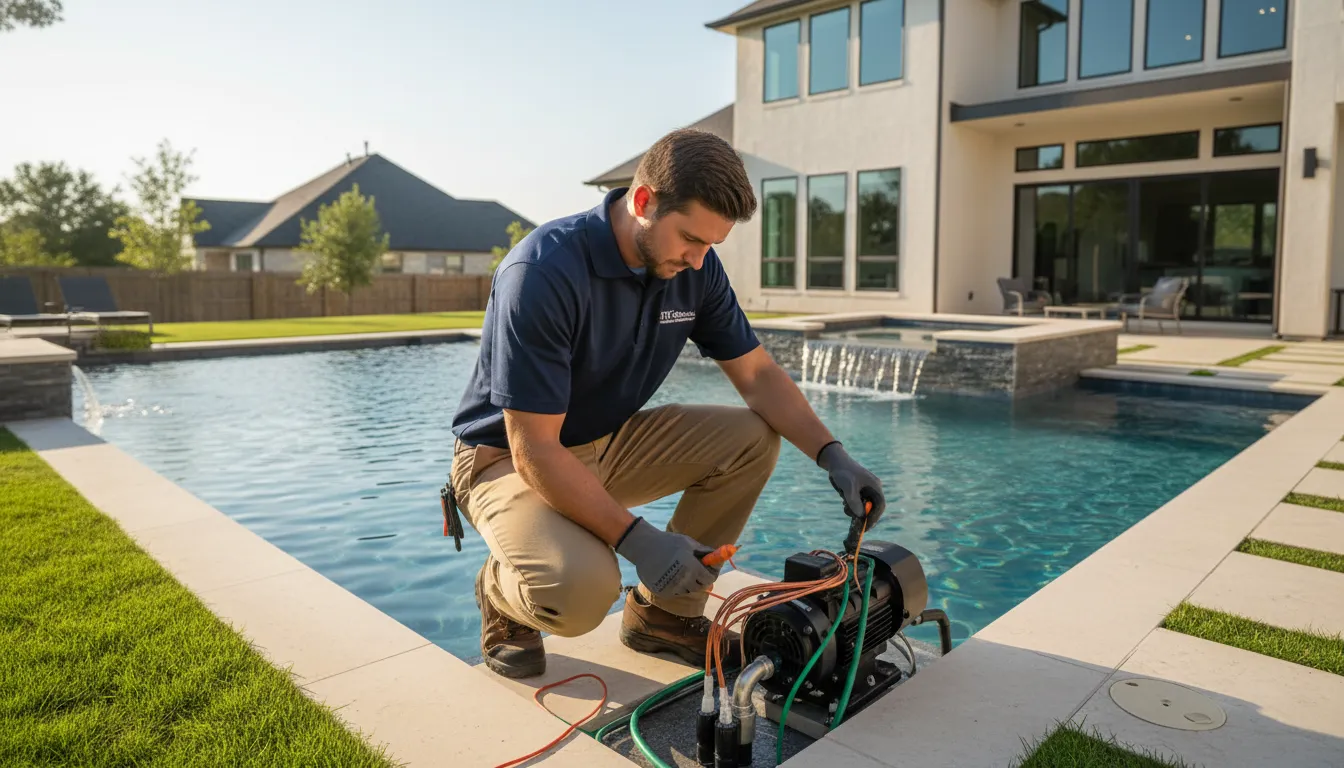
Need a pool electrician before the next swim season? Contact TLC Electrical to schedule pool electrical service in DFW.
When should you call a licensed pool electrician?
Call a licensed pool electrician before the first swim of the season if the pool has sat unused, if the equipment history is unclear, or if the property was recently purchased. A seasonal check can identify worn wiring, damaged equipment, or bonding concerns before family and guests use the pool.
Call before adding a heater, pump, light, control panel, spa feature, automation system, water feature, or metal handrail. Call after deck work, resurfacing, landscaping near conduit, storm damage, or freeze-related repairs. Any project that touches the pool area can affect electrical safety.
Situations that should not wait
Repeated breaker trips, pool light failures, pump power loss, buzzing equipment, burning smells, visible wire damage, or tingling near the water should be treated as urgent warning signs. Stop using the pool and contact a licensed electrician. Do not keep resetting a breaker that trips again.
Lighting deserves special attention because underwater fixtures combine electricity, water, and sealed components. If lights flicker, fail, or show signs of moisture, review TLC Electrical’s pool and spa lighting service and schedule a professional evaluation.
How to prepare for the visit
Good notes help the electrician work efficiently. Write down when the symptom started, which equipment was running, whether a breaker or GFCI tripped, and whether recent work occurred near the pool. Clear access to the equipment pad, pool panel, timers, lights, rails, and controls can also help.
Do not open energized equipment, remove covers, scrape corrosion, disconnect wires, or perform live testing. If possible, keep pets and swimmers away from the area until the electrician arrives. TLC Electrical uses an education-focused approach, so expect an explanation of the issue and the available repair options before work proceeds.
Quick takeaway from TLC Electrical: Call before seasonal use, after equipment or deck changes, and immediately after tingling, shocks, repeated trips, light failures, or visible equipment damage.
How maintenance and renovations can break a bonding system
Pool bonding is not finished forever on the day the pool is built. It depends on connected metal parts and equipment staying connected as the pool ages. Routine maintenance, remodels, and equipment swaps can disturb that path if the work is rushed or handled without electrical oversight.
A deck renovation can reach conductors below or beside the walking surface. Concrete removal, new coping, resurfacing, or added metal features may disturb a connection or hide an old one. Rail and ladder replacement also deserve attention because new metal parts may need to join the existing bonding system.
Equipment changes are a common weak point
Replacing a pump, heater, timer, salt system, or control panel changes equipment at the pad. A worker may disconnect a bonding wire during removal, then miss it when the new unit goes in. The replacement may appear to run normally, but normal operation does not prove that the bonding path is intact.
Before planning work, ask whether the scope includes pool bonding, grounding, GFCI protection, and electrical safety checks. TLC Electrical’s swimming pool equipment maintenance guidance notes the value of inspecting pool panels, testing GFCI protection, and checking electrical connections.
DIY repairs can hide the real issue
A homeowner may replace a handrail, light, or pump part and assume the extra wire is not important. Another may reconnect a conductor to the wrong location. These mistakes can be hard to see later, especially when the pool still appears to work.
Do not open energized pool panels, handle wet electrical equipment, or attempt live testing yourself. If work changed decking, rails, lights, pumps, heaters, or controls, arrange a professional inspection before routine use resumes.
Quick takeaway from TLC Electrical: Pool bonding can be damaged by ordinary work. After renovations, equipment swaps, or DIY changes, the safe move is to test before swimming.
Frequently Asked Questions
Does my pool need to be bonded?
Most permanent pools with conductive parts, metal fittings, electrical equipment, or nearby fixed metal features need a bonding system. The exact requirements depend on the pool design, installed equipment, and local inspection rules. A licensed electrician can evaluate the pool against current NEC requirements and explain what applies to your property.
Is pool bonding the same as grounding?
No. Pool bonding connects conductive parts around the pool to reduce voltage differences between them. Grounding provides a fault-current path for electrical equipment. Both are important, but one does not replace the other. A safe pool electrical system may need correct bonding, grounding, GFCI protection, and properly installed equipment.
What are warning signs of pool bonding problems?
Warning signs include tingling in the water, shocks near rails or ladders, repeated GFCI trips, flickering pool lights, corroded clamps, damaged conduit, open covers, or unexplained pool equipment power loss. Stop pool use and request an inspection if any of these signs appear.
How do electricians test pool bonding?
A licensed electrician inspects accessible bonding connections and uses electrical test equipment to check continuity between required bonded parts. The evaluation may include rails, ladders, pump equipment, heaters, metal fittings, light-related components, and the water bond when present.
How often should pool electrical systems be inspected?
A safety check is wise before heavy seasonal use, after equipment replacement, after deck or rail work, after storm damage, and whenever the owner notices electrical symptoms near the pool or spa. TLC Electrical can recommend a practical inspection schedule based on the pool’s age and equipment.
Ready to Schedule a Pool Electrical Inspection?
A loose end in pool electrical safety does not fix itself. If you noticed tingling, repeated breaker trips, damaged equipment, flickering lights, or unclear pool bonding history, schedule a licensed inspection before regular pool use continues.
Contact TLC Electrical for pool and spa electrical service in DFW. The team can inspect the bonding path, review related equipment, explain findings clearly, and recommend the safest next step for your pool or spa.