
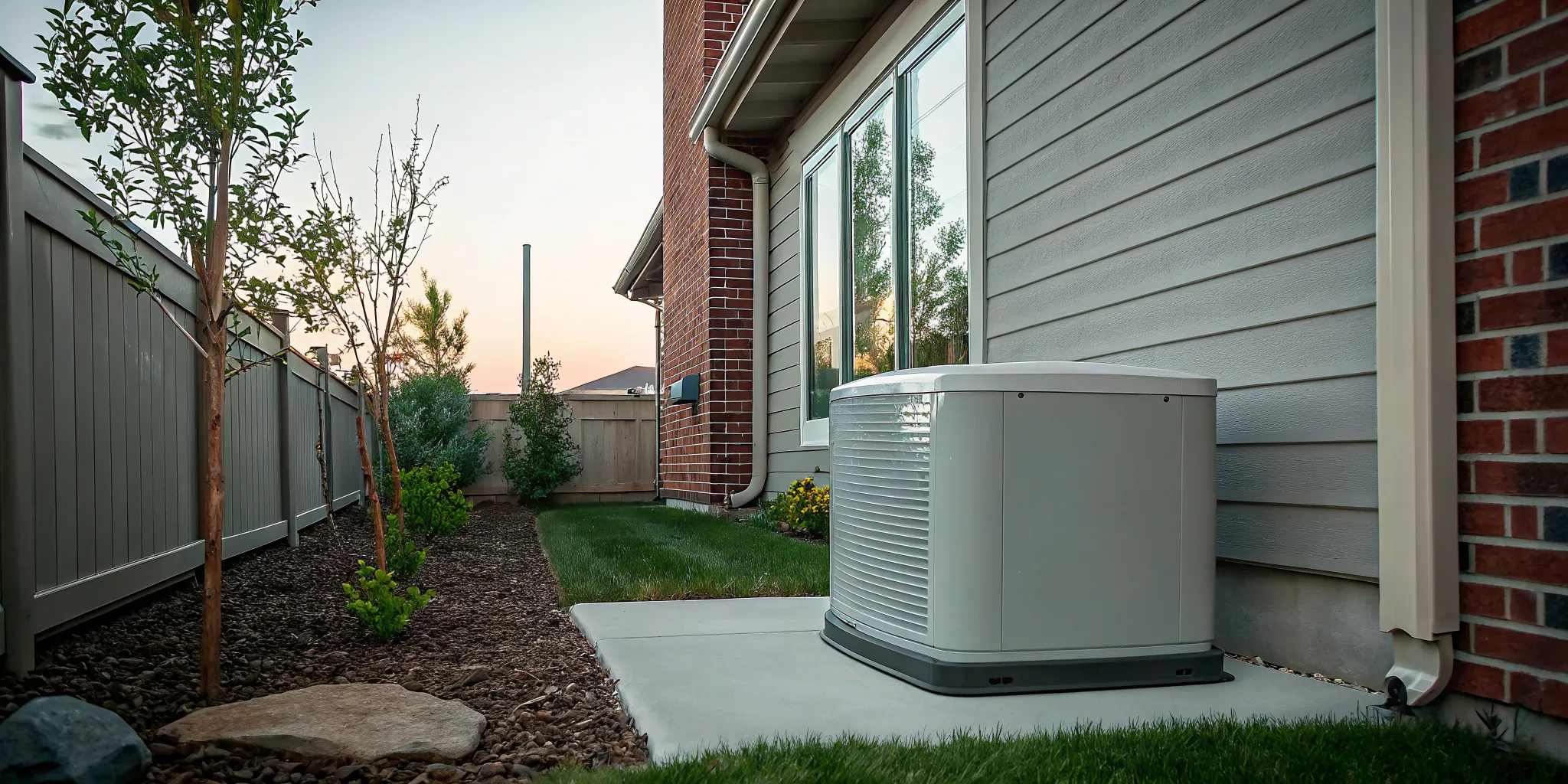
Here in North Texas, our weather keeps us on our toes. From triple-digit heatwaves that strain the power grid to sudden ice storms that can leave us in the dark for days, reliable electricity is essential. Scrambling for flashlights and blankets gets old fast. A whole-home standby generator is your best defense against our unpredictable climate, ensuring your AC keeps running in August and your heat stays on in February. This guide is specifically for DFW homeowners like you. We’ll cover everything you need to know to choose, install, and maintain a generator that can handle whatever Texas weather throws its way.
Need Fast & Reliable Electrical Service?
Our licensed electricians are ready to help with repairs, installations, and emergency services. Get expert help you can trust today.
Key Takeaways
- Prioritize automatic operation for true convenience: A standby generator connects directly to your home’s electrical system and fuel line, using an automatic transfer switch to restore power within seconds of an outage so your home stays comfortable without you lifting a finger.
- Choose the right size by assessing your needs: Before you buy, decide if you want to power your entire home or only essential circuits like the refrigerator and HVAC. This choice directly impacts the generator size (kW) you’ll need, which is the biggest factor in the overall cost.
- Budget for the complete professional process: The total investment includes the generator unit, professional installation by a licensed electrician, and ongoing maintenance. Safe installation is essential for performance and code compliance, and financing options can make the cost more manageable.
What Is a Standby Generator?
If you’ve ever lived through a Texas power outage, you know the feeling. One minute, the AC is humming and the lights are on; the next, you’re scrambling for flashlights and wondering how long the food in your fridge will last. A standby generator is your home’s personal power plant, designed to eliminate that exact scenario.
Unlike a portable generator you have to wheel out of the garage, a standby generator is a permanent fixture installed outside your home, much like an air conditioning unit. It’s connected directly to your home’s electrical system and fuel supply (typically natural gas or propane). The best part? It’s completely automatic. When it senses a power outage, it kicks on within seconds to restore power to your home. You don’t have to lift a finger. When the utility power returns, the generator automatically shuts itself off. It’s a seamless, hands-off solution that provides true peace of mind, ensuring your lights, appliances, and HVAC system keep running no matter what the weather is doing outside. Investing in a backup generator installation means you can ride out any storm in comfort and safety.
How Does a Standby Generator Work?
The magic behind a standby generator is a device called an automatic transfer switch (ATS). Think of the ATS as the brain of the operation. This smart switch is installed next to your main electrical panel and constantly monitors the flow of power coming from the utility company.
The moment it detects an interruption, it springs into action. First, it disconnects your home from the utility grid to ensure safety. Then, it signals the generator to start up. Once the generator is running smoothly, the ATS transfers your home’s electrical load to the generator. All of this happens in a matter of seconds. When grid power is restored, the ATS reverses the process, switching you back to utility power and shutting the generator down until it’s needed again.
Standby vs. Portable: What’s the Difference?
While both types of generators provide power, they offer very different experiences. A portable generator is a temporary fix. You have to manually set it up, run extension cords to essential appliances, and constantly refuel it with gasoline. It can power a few things, like your refrigerator and some lights, but that’s about it.
A standby generator is a comprehensive, permanent solution. It’s installed professionally and runs on your home’s existing natural gas or propane line, so there’s no refueling. It powers your home automatically, whether you’re there or not, and can handle everything from your HVAC system to your security cameras. A portable generator requires work during a stressful situation, while a standby generator provides effortless, whole-home comfort and security.
What Size Generator Do You Need?
Choosing the right size generator isn’t about picking the biggest one you can find. It’s about finding the perfect fit for your home and your family’s needs during a power outage. Think of it like this: do you just want to keep the essentials running, like the refrigerator and a few lights, or do you want life to continue as normal, with the central air conditioning and all your appliances working? The answer will determine the generator size you need, which is measured in kilowatts (kW).
A generator that’s too small will struggle to power your appliances and could even damage them. On the other hand, one that’s too large is an unnecessary expense, both in upfront cost and fuel consumption. The goal is to find that sweet spot where you have all the power you need without overspending. To do that, you’ll want to consider which circuits in your home are non-negotiable and which you can live without for a few hours or days. This simple decision is the first step toward getting a reliable backup generator installation that gives you peace of mind when the lights go out.
How to Calculate Your Power Needs
The best way to start is by making a list of the appliances and systems you absolutely need during an outage. Think about your refrigerator, freezer, furnace or AC, medical equipment, and some lights and outlets. Each appliance has a specific wattage requirement to start up and run. While you can find these numbers on the appliances themselves, a professional electrician can perform a detailed load calculation to give you a precise figure. As a general guideline, a 2,000-square-foot house typically needs a 14 kW to 16 kW generator for essential items. If you want to power the entire home, including central air, you’ll likely need a 20 kW to 22 kW unit.
Whole-House vs. Essential Circuits: Which Is Right for You?
This is the core decision you’ll make. Powering only essential circuits is a practical, budget-friendly approach. A smaller generator is connected to a sub-panel that powers only your must-haves, like the kitchen, furnace, and a few key outlets. This ensures your food stays cold and your home remains comfortable without the cost of a larger unit. A whole-house generator, however, offers complete convenience. It’s connected to your main electrical panel and automatically powers everything in your home. You can run your air conditioner, do laundry, and watch TV as if nothing happened. The right choice depends on your priorities: targeted protection for your essentials or seamless, uninterrupted power for your entire home.
A Look at Top Standby Generator Brands
When you start looking into standby generators, you’ll quickly notice a few key players in the market. Each brand brings something unique to the table, from specific features to long-standing reputations for reliability. Think of it like car shopping; some people swear by one brand, while others prioritize different features. Understanding what sets these top brands apart can help you make a more informed decision for your home. We’ll walk through some of the most trusted names in the industry so you can get a feel for what each one offers before you commit to a backup generator installation.
Generac
Generac is one of the most recognizable names in the game, and for good reason. Their standby generators are built to give you peace of mind, kicking on automatically the moment you lose power. You don’t have to lift a finger. One of their biggest selling points is their commitment to customer support, which is available 24/7, all year long, right from their headquarters in Wisconsin. This level of support can be a huge comfort when you’re dealing with an unexpected outage. For many homeowners, Generac’s combination of automatic operation and reliable service makes them a top contender.
Kohler
Kohler has built a strong reputation for reliability and powerful performance. Their generators are engineered to handle the demands of your entire home, ensuring everything from your lights to your air conditioning keeps running smoothly during an outage. Homeowners often choose Kohler because they are known for being straightforward to install and maintain, which simplifies the ownership experience. If you’re looking for a robust unit that combines commercial-grade power with user-friendly design, exploring Kohler’s home generators is a great next step. Their focus on quality engineering means you can count on them when you need them most.
Briggs & Stratton
Known for their durable engines in all sorts of outdoor power equipment, Briggs & Stratton brings that same toughness to their standby generators. These units are designed to be dependable and easy to use, keeping your home powered without any hassle. Key features often include automatic operation, so the generator starts on its own during an outage, and remote monitoring capabilities. This allows you to check on your generator’s status from your phone or computer, giving you extra assurance. If you value durability and convenient, modern features, Briggs & Stratton’s lineup is definitely worth a look.
Cummins
Cummins is a powerhouse in the generator world, known for engineering high-performance units that deliver consistent, reliable power. Their generators are designed for seamless operation, ensuring there’s no interruption to your life when the grid goes down. Cummins offers a wide range of options that serve both residential and commercial needs, so you know you’re getting a product backed by serious engineering expertise. For those who prioritize top-tier performance and the kind of reliability trusted in demanding commercial applications, Cummins home standby generators are an excellent choice. They are built to perform under pressure, providing steady power for your home or business.
Key Features to Look For in a Standby Generator
Once you have an idea of the size and brand you want, it’s time to look at the specific features that will make your life easier during a power outage. A standby generator is a major addition to your home, and the right features can make all the difference between a clunky appliance and a seamless source of backup power. From how it turns on to how you monitor its performance, these details are what separate a good generator from a great one. Thinking through these options will help you and your electrician choose a model that perfectly fits your home’s needs and your expectations for convenience and reliability.
The Automatic Transfer Switch
The single most important feature of a standby generator is the automatic transfer switch (ATS). Think of it as the brain of your backup power system. The ATS is a smart device that constantly monitors the flow of electricity from the utility grid to your home. The moment it detects an interruption, it automatically disconnects your home from the grid and signals the generator to start. Within seconds, it transfers the electrical load to the generator, restoring power to your essential circuits or your entire house. You don’t have to do a thing. This seamless transition is what provides true peace of mind, ensuring your home stays powered even if you’re asleep or away.
Fuel Types and Efficiency
Standby generators typically run on natural gas or liquid propane (LP), with some larger models using diesel. For most homeowners, natural gas is the most convenient option because it connects directly to your home’s existing utility line, providing a virtually endless fuel supply. You never have to worry about refueling. Liquid propane is a great alternative if you don’t have access to natural gas; it’s stored in a large tank on your property. Both natural gas and propane generators are generally quieter, cleaner, and more affordable to install than their diesel counterparts. The right backup generator installation will match the best fuel source to your property’s setup.
Remote Monitoring and Smart Features
Modern generators come equipped with technology that gives you more control and insight than ever before. Many models now include Wi-Fi or cellular connectivity, allowing you to monitor your generator’s status from anywhere using a smartphone app. You can get real-time updates on its operational status, maintenance needs, and power usage. Some systems can even send alerts directly to your electrician if an issue arises. This remote access is incredibly useful for checking on your home while you’re on vacation or simply want confirmation that everything is running smoothly during a storm. It’s a smart feature that adds another layer of security and convenience.
Noise Levels and Weather Protection
Since your generator will live outside your home, two practical features to consider are its noise level and its durability. Generators can be loud, but many manufacturers now design their units with sound-dampening enclosures to keep operational noise to a minimum, often comparable to a standard central air conditioner. This is an important consideration for keeping both your family and your neighbors happy. Additionally, the generator’s housing needs to withstand Texas weather, from intense summer heat to hail and freezing rain. Look for models with sturdy, corrosion-resistant aluminum or steel enclosures that protect the internal components and ensure your generator is ready to perform whenever you need it.
Breaking Down the Cost of a Standby Generator
When you’re thinking about getting a standby generator, it’s helpful to look at the investment in three parts: the cost of the unit itself, the price of professional installation, and the expenses for long-term care. Understanding each piece of the puzzle will give you a clear picture of the total cost and help you budget effectively for reliable backup power. Let’s break down what you can expect to pay at each stage.
The Upfront Purchase Price
The first major cost is the generator unit. The price tag can vary quite a bit depending on the brand and how much power you need. Generally, you can find residential models starting around $3,600, while larger, more powerful units can cost over $46,000. For a typical 2,000-square-foot home, a 20 to 24 kW generator is usually a good fit, and these models often fall in the $3,000 to $6,000 range. The key is to choose a size that matches your home’s specific needs, ensuring you have the power you want without overspending on a unit that’s too large.
Professional Installation Costs
Once you’ve purchased your generator, the next step is installation, and this is a job for the pros. Professional installation typically costs between $2,000 and $5,000. This fee isn’t just for labor; it covers the critical work of safely connecting the generator to your home’s electrical panel and fuel line. It also includes installing the automatic transfer switch, which is the brain of the system. A qualified electrician ensures everything is set up correctly and meets local codes, giving you peace of mind that your backup generator installation will work flawlessly when you need it most.
Ongoing Maintenance and Warranties
Finally, think about the long-term costs of ownership. The good news is that most new generators come with a 5-year limited warranty from the factory, protecting your initial investment. To keep that warranty valid and ensure your generator is always ready to go, regular maintenance is essential. Plan for a yearly professional check-up, which is the best way to keep it in top working condition. Just like your car, your generator needs routine service to run reliably for years to come, making it a small but important part of your overall electrical services budget.
Installing Your Generator Safely and Correctly
Getting a standby generator is a smart move for keeping your home running smoothly during an outage. But the installation is where safety and performance truly come together. This isn’t a weekend DIY project; it’s a job that requires a deep understanding of electrical systems, fuel lines, and local regulations to get it right.
Why Professional Installation Is a Must
Think of a professional installation as the foundation for your generator’s reliability. A licensed electrician will handle the complex process of connecting the generator to your home’s electrical panel and fuel source. This is crucial for ensuring it operates safely and doesn’t create hazards like back-feeding electricity into the grid. Experts also know how to position the unit to prevent dangerous carbon monoxide fumes from entering your home. For peace of mind and a system that works when you need it most, a professional backup generator installation is the only way to go.
Finding the Right Spot: Placement and Clearance
Where you place your generator matters just as much as how it’s installed. Professionals follow strict guidelines to ensure safety and proper function. For example, a generator should be at least 20 feet away from doors and windows, with its exhaust pointed away from the house to vent fumes safely. It also needs at least five feet of clearance above it for proper airflow and to prevent overheating. An experienced installer will assess your property to find the perfect spot that meets all these safety codes, so you don’t have to worry about the technical details.
Staying Compliant: Permits and Local Codes
Every city has its own set of rules for generator installations, and figuring them out can be tricky. These local codes cover everything from placement and noise levels to electrical and fuel line connections. A professional electrician is familiar with the specific permit requirements in the Dallas-Fort Worth area. They will manage the entire permitting process for you, ensuring your installation is fully compliant with all local regulations. This not only keeps your installation legal but also guarantees it meets the highest safety standards, which is essential for inspections and your home’s insurance.
Keeping Your Generator in Top Shape
A standby generator is a powerful investment in your home’s security and comfort, but it isn’t a “set it and forget it” appliance. Think of it like your car; it needs regular attention to ensure it’s ready to perform the moment you need it most. Consistent maintenance helps prevent unexpected failures during a power outage, extends the life of your generator, and keeps it running efficiently. A little bit of care goes a long way in protecting your investment and giving you true peace of mind when the lights go out.
Your Regular Maintenance Checklist
Keeping your generator in good working order doesn’t have to be complicated. A few simple checks can make all the difference. Start by keeping the area around the unit clear of any leaves, snow, or debris that could block airflow. Once a month, check the oil and coolant levels, just as you would with a vehicle. It’s also a great practice to run your generator for about 20 minutes every week. This keeps the engine parts lubricated and the battery charged. While you’re at it, do a quick visual inspection for any leaks or damage. Most importantly, generators need yearly professional check-ups to keep them working well.
When to Call a Pro for Service
While you can handle the basic checks, some tasks are best left to a licensed electrician. You should call a professional if your generator has trouble starting or fails its weekly self-test. Any strange noises, like grinding or knocking, are also a clear sign that it’s time for a service call. An expert should handle the annual tune-up, which includes more complex tasks like changing filters, checking electrical connections, and testing the transfer switch. If you need a repair or are considering a new unit, a professional can provide expert backup generator installation and ensure your system is safe and correctly sized for your home.
Seasonal Prep and Fuel Management
Getting your generator ready for storm season is crucial. A key part of this is managing your fuel source. If your generator is connected to your home’s natural gas line, you have a continuous supply, which is a huge plus during long outages. For those with propane-powered generators, make sure your tank is full before the stormy season begins; the last thing you want is to run out of fuel when you need it most. After your generator has seen you through a storm, it’s a good idea to check the oil and clear away any debris that may have collected around the unit.
Common Myths About Standby Generators
When you’re considering a big home upgrade, it’s easy to get bogged down by rumors and misconceptions. Let’s clear the air and tackle some of the most common myths about standby generators so you can make a decision with confidence.
Myth 1: They’re Too Expensive and Complicated
It’s true that a standby generator is a significant investment, and the initial price can seem high. But it’s helpful to think about the long-term value. During an extended power outage, a generator can prevent expensive problems like spoiled food or frozen pipes, saving you money and stress down the road. The cost for a backup generator installation varies widely depending on the size and model you need, so there are options for different budgets. A professional can help you find a system that fits your home’s specific requirements without overspending on unnecessary features.
Myth 2: They’re Difficult to Maintain
The idea of another appliance to maintain can feel overwhelming, but standby generators are surprisingly low-maintenance. They are designed to be reliable and ready when you need them most. For the most part, they just need a yearly professional check-up to keep them in top working condition, much like your HVAC system. During this service, a technician will run diagnostics, check fluid levels, and ensure every component is working correctly. This simple annual service is all it takes to make sure your generator is prepared to power your home through any outage.
Myth 3: Misconceptions About Fuel and Performance
Many people picture hauling gas cans, but standby generators work differently. They are permanent installations that connect directly to your home’s existing natural gas or propane lines. This means you have a continuous, reliable fuel source without any effort on your part. When the power goes out, the generator starts automatically. Models that run on natural gas or propane are often more affordable and easier to install than diesel alternatives, making them a practical and efficient choice for most homeowners. This seamless fuel connection is what allows them to power your entire home without interruption.
What Are Real Owners Saying?
Technical specs and feature lists are helpful, but they only tell part of the story. To get a true sense of what it’s like to own a standby generator, it’s best to hear from people who rely on them every day. We looked through forums, product reviews, and social media groups to gather honest feedback from homeowners. Their experiences offer a clear picture of the benefits and considerations that come with investing in a backup power system for your home.
From reliability during storms to the initial setup process, these real-world insights can help you understand what to expect. Here’s a look at what actual generator owners are saying about their machines, what they appreciate most, and what they wish they’d known sooner. This feedback can guide you in making a choice that feels right for your family and your home.
Key Takeaways on Reliability
Across the board, the number one theme is peace of mind. Owners consistently report that their generators provide a dependable source of power, kicking on exactly when needed. This reliability is what transforms a generator from a simple appliance into a crucial part of a home’s safety and comfort. One homeowner’s review captured this feeling perfectly, stating, “Generator installed a year ago…has worked flawlessly over multiple power outages; we forget it’s running. Great feeling of security.” This set-it-and-forget-it performance is exactly what you want when the lights go out.
What People Love (and Don’t Love)
Homeowners love the seamless convenience a standby generator offers. You don’t have to do anything when the power goes out; the system takes care of itself. As one member of a Facebook group shared, “We love ours. It runs our whole farm yard if power is out.” On the other hand, the initial investment and installation process are common concerns. One Reddit user shared their shopping experience, emphasizing the importance of smart design features that can save money in the long run, like a strong start system that avoids the need for expensive add-on heaters.
How the Top Brands Compare in Reviews
When you look at brand comparisons, names like Generac often come up for their consistent performance. Many owners who experience frequent outages say their generators handle the demand without issue. One set of customer reviews noted that even with five to seven outages a year, their unit performed reliably every time, leading them to declare, “No more portable gensets.” This highlights a key reason people upgrade: standby models from trusted brands are built to manage frequent power interruptions effectively, offering a more robust and permanent solution than a portable generator.
Can You Finance a Standby Generator?
A standby generator is a significant home upgrade, and the price tag can feel intimidating at first glance. But the good news is, you almost certainly don’t have to pay for it all at once. Financing is a very common path to getting the peace of mind a generator provides, making the investment much more manageable for your family’s budget. Think of it like financing any other large home improvement project, such as a new roof or an HVAC system. From payment plans offered directly by manufacturers to special promotions from local installers, there are several ways to spread out the cost over time. This flexibility means a reliable backup generator installation is within reach for many homeowners. Understanding your financing options is the first step toward ensuring your home stays powered during an outage. We’ll walk through the most common routes so you can find a plan that works for you without straining your finances. It’s all about finding the right fit, so you can focus on the security your new generator will bring instead of worrying about the upfront cost. Many homeowners find that a low monthly payment is a small price to pay for uninterrupted power.
Exploring Manufacturer Financing
If you have a specific generator brand in mind, checking their financing programs is a great place to start. Top manufacturers like Generac often partner with financial institutions to offer plans directly to customers. These programs are designed to make their products more accessible. For example, you might find home generator financing options that include long-term plans with a reasonable APR or shorter-term deals with no interest if you pay off the balance within a certain period, like 18 months. This can be a straightforward way to secure funding, as the process is often integrated right into the purchase. It’s a solid first stop when you begin to map out your budget.
Finding Promotions and Rebates
Beyond the manufacturer, don’t forget to look for special offers closer to home. Your installation company is a great resource for promotions and unique financing deals. Many professional installers partner with local banks or credit unions to provide flexible payment options that might be even better than what the manufacturer offers. Keep an eye out for seasonal promotions, especially before storm season, which can include things like an 18-month interest-free plan. It’s also worth checking with your local utility company, as some offer rebates for installing energy-resilient equipment like a standby generator. A little research here can lead to significant savings on the total cost.
What to Know About Payment Plans
Once you start comparing financing offers, it’s important to look at the details. A low monthly payment is appealing, but you need to understand the full terms of the agreement. Pay close attention to the Annual Percentage Rate (APR), which is the total cost of borrowing money. Some plans may advertise zero percent interest, which can be a fantastic deal, but make sure you know what happens if you don’t pay it off in the promotional period. Before you sign anything, take a clear look at your budget and choose a plan you can comfortably manage. The goal is to find a solution that eases the financial burden, not one that adds stress later on.
Related Articles
- Backup Generator Installation – TLC Electrical
- What to Know Before Upgrading Your Electrical Panel in Your DFW Home – TLC Electrical
- Panel Upgrades: Why They Matter Today – TLC Electrical
- Electrical Choices for Home EV Charging Options – TLC Electrical
- Our Blog – TLC Electrical
Need Fast & Reliable Electrical Service?
Our licensed electricians are ready to help with repairs, installations, and emergency services. Get expert help you can trust today.
Frequently Asked Questions
How long does the installation process usually take? A standard installation is typically completed in a single day. The process involves preparing the site, setting the generator, and making the necessary electrical and fuel connections. Our team handles everything, including the setup of the automatic transfer switch, to ensure your system is fully operational and ready for the next power outage with minimal disruption to your day.
Will a standby generator increase my home’s value? Yes, it certainly can. A permanently installed standby generator is a highly desirable feature for potential homebuyers, especially in areas prone to power outages. It adds a layer of security and convenience that makes a property stand out. Think of it as an investment in your home’s infrastructure that provides both immediate peace of mind and a tangible return when it’s time to sell.
How loud is a standby generator, really? Modern standby generators are designed to be neighborhood-friendly. Most units produce a noise level similar to a central air conditioner, so while you’ll hear it running, it’s not an overwhelming roar. Manufacturers use sound-dampening enclosures to keep the noise contained. We also strategically place the generator during installation to minimize its impact on your home and your neighbors.
Do I need to be home for the generator to turn on? Not at all, and that’s one of the biggest benefits. The system is completely automatic. The automatic transfer switch detects a power outage, starts the generator, and switches your home over to backup power within seconds. This happens whether you’re at work, on vacation, or asleep, ensuring your home remains protected without you having to lift a finger.
What’s involved in the annual professional maintenance? An annual service visit is a comprehensive check-up to ensure your generator is in peak condition. A technician will change the oil and filters, inspect the battery, check all electrical connections, and test the transfer switch to simulate a power outage. This preventative care is the best way to catch any potential issues early and confirm your generator will perform reliably when you need it most.