
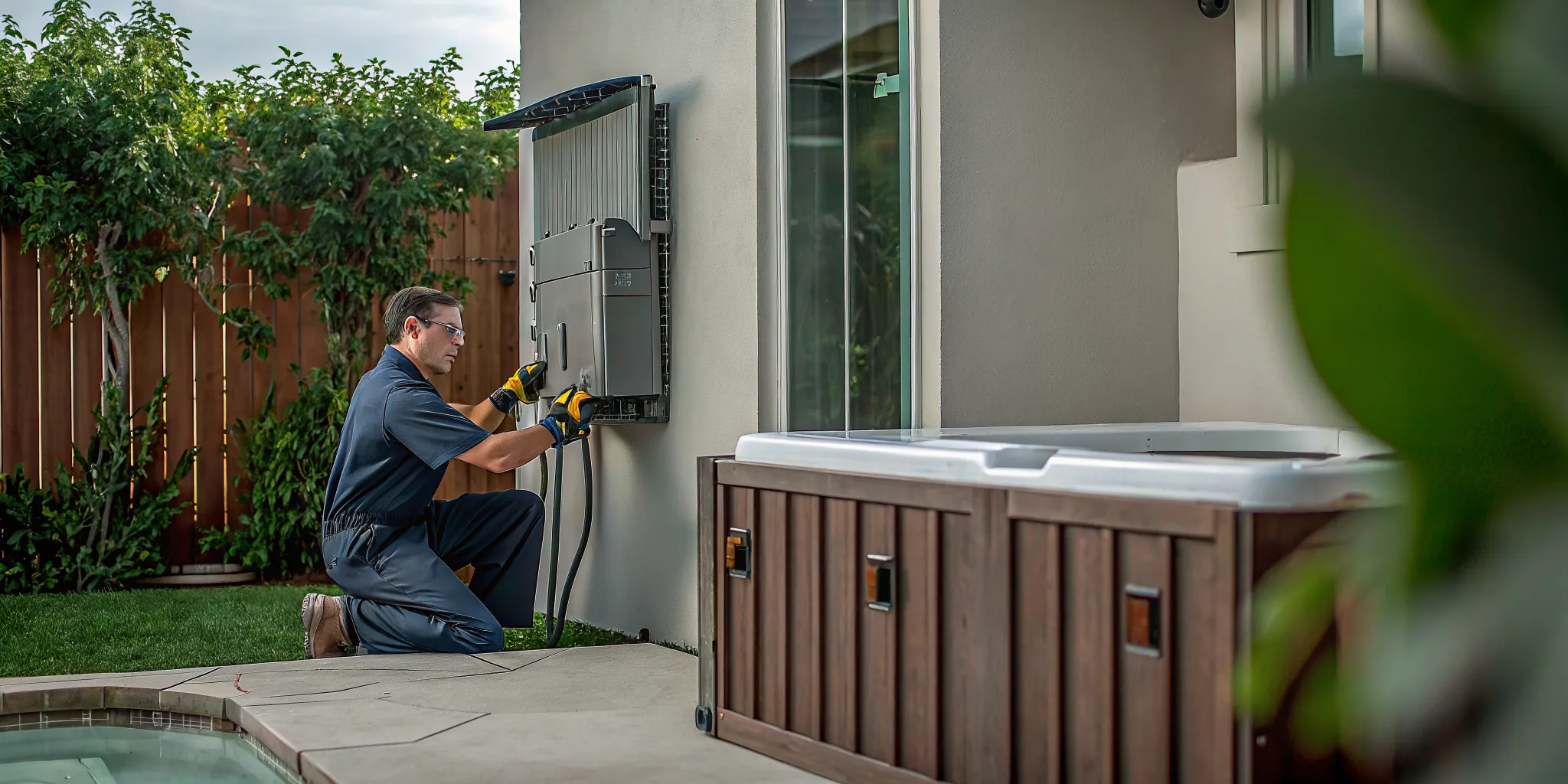
Wiring a hot tub seems straightforward until you look past the surface. It involves much more than just running a cable to an outlet. A safe installation requires a dedicated circuit from your main panel, a specific type of GFCI protection, correct wire sizing to handle the heavy load, and proper grounding and bonding to prevent shock. Each of these elements must comply with strict national and local electrical codes. Getting even one detail wrong can compromise the entire system’s safety. This complexity is precisely why the job demands a specialist. A licensed electrician for hot tub wiring has the training and experience to handle these details correctly, ensuring your installation is both functional and completely safe.
Need Fast & Reliable Electrical Service?
Our licensed electricians are ready to help with repairs, installations, and emergency services. Get expert help you can trust today.
Key Takeaways
- Leave Hot Tub Wiring to the Pros: This is not a DIY project. The combination of high voltage and water creates a serious risk of electric shock or fire that only a licensed electrician can safely manage.
- A Safe Installation is Complex: Professional wiring involves more than just connecting the tub; it requires a dedicated circuit, specific GFCI protection, correct grounding and bonding, and compliance with all local codes.
- Hire a Vetted Specialist: When choosing an electrician, confirm they are licensed, insured, and have specific experience with hot tub installations to ensure your project is completed safely and correctly.
Why You Shouldn’t DIY Your Hot Tub Wiring
After bringing home a new hot tub, the urge to get it running immediately is completely understandable. You’re already picturing yourself soaking in the warm, bubbling water. While you might be a seasoned DIYer, wiring a hot tub is one project you should always leave to a professional. It’s not just about connecting a few wires; it’s about ensuring the safety of everyone who uses it and protecting your home from serious electrical hazards.
Improper installation can lead to devastating consequences, and navigating the maze of local codes and permits is a job in itself. Let’s break down exactly why hiring a licensed electrician is the only safe and smart choice for this project.
Understanding the Risks of Improper Installation
Let’s be direct: water and electricity are a dangerous combination. When hot tub wiring isn’t done correctly, it creates a serious risk of electric shock, short circuits, and even fires. A single mistake, like using the wrong type of wire or failing to properly ground the connection, can turn your backyard oasis into a major hazard. These aren’t just minor issues; they are life-threatening dangers that can have catastrophic results. Professional pool and spa services ensure every connection is secure, waterproof, and up to code, giving you total peace of mind.
Navigating Permits and Legal Requirements
Beyond the immediate safety risks, wiring a hot tub involves legal and financial considerations. Most municipalities, including those in the Dallas-Fort Worth area, require a permit for this type of electrical work. Attempting to bypass this process can lead to significant problems down the road. If an issue arises, your homeowner’s insurance may refuse to cover damages from unpermitted work. Furthermore, it can create major hurdles if you ever decide to sell your home. To ensure your installation is safe and compliant, the work must follow all local electrical codes, which often mandate that a licensed electrician performs the installation.
What’s Involved in Professional Hot Tub Wiring?
So, what exactly does a professional electrician do when they wire a hot tub? It’s a detailed process that goes far beyond simply connecting a few wires. A licensed pro follows a strict set of procedures to make sure your new spa is not only functional but completely safe for you, your family, and your friends to enjoy. From installing dedicated power sources to implementing multiple layers of shock protection, every step is designed to meet rigorous safety codes. Let’s walk through the key parts of a professional hot tub installation.
Installing a Dedicated Circuit
First things first, your hot tub needs its own dedicated circuit. Think of it as a private electrical highway just for your spa. Because hot tubs use a lot of power to run heaters and jets, they can’t share a circuit with other appliances or outlets in your home. Doing so would overload the system, constantly trip the breaker, and create a serious fire hazard. A professional electrician will install a new circuit that runs directly from your main electrical panel to the hot tub, ensuring it has all the power it needs to operate safely and efficiently without disrupting the rest of your home’s electrical services.
Ensuring Proper Grounding and Bonding
Next up are two crucial safety steps: grounding and bonding. While they sound similar, they do different jobs. Grounding connects your hot tub’s electrical system to the earth, which provides a safe path for electricity to go in case of a fault, preventing dangerous shocks. Bonding is the process of connecting all the metal components of your hot tub and the surrounding area (like ladders, railings, or metal decking) with a wire. This ensures that all metal parts have the same electrical potential, eliminating the risk of a shock that can happen if you touch two different metal objects at once. It’s a non-negotiable step for any water-based electrical installation.
Placing GFCI Protection and a Disconnect Box
Because water and electricity are a dangerous mix, every hot tub requires a Ground Fault Circuit Interrupter, or GFCI. This smart device constantly monitors the flow of electricity. If it detects even a tiny imbalance, like the kind that occurs when electricity finds an unintended path to the ground (through a person, for example), it instantly shuts off the power. This happens in a fraction of a second, which is fast enough to prevent a serious electric shock. Your electrician will also install a manual disconnect switch within sight of the tub. This allows you to quickly cut all power for maintenance or in an emergency, adding another important layer to your pool and spa services safety.
Sizing Wires and Conduit Correctly
The type of wire and the protective casing, or conduit, used are just as important as the other components. An electrician will select the correct gauge (thickness) of wire to handle your hot tub’s electrical load without overheating, which could melt the insulation and cause a fire. For outdoor installations, they’ll use special copper wires designed to withstand wet conditions. These wires are then run through a durable conduit, often rigid PVC, which is buried underground. This protects the wiring from moisture, physical damage from landscaping, and the elements. Using the wrong wire or conduit is a common DIY mistake that can have very serious consequences, so getting it right is essential.
Common Hot Tub Wiring Mistakes to Avoid
Installing a hot tub is an exciting upgrade for your home, but the electrical work is a serious task. While it might be tempting to handle the wiring yourself to save a few dollars, this is one project where cutting corners can lead to dangerous and costly outcomes. Even small errors can create significant safety hazards or damage your new investment. Understanding the most common mistakes can help you see why a professional touch is so important.
Skipping Permits and Ignoring Local Codes
It’s easy to think of a permit as just another piece of paperwork, but for a hot tub installation, it’s a critical safety step. Most municipalities, including those across the Dallas-Fort Worth area, require a permit for this type of electrical work. These permits ensure the installation is inspected and meets the National Electrical Code (NEC) as well as local regulations. Skipping this step can cause major headaches down the road, especially if you decide to sell your home or need to file an insurance claim. A licensed electrician handles the permitting process for you, ensuring all electrical services are fully compliant and safe from day one.
Getting Grounding, Bonding, or GFCI Wrong
Water and electricity are a dangerous mix, which is why several layers of protection are required. A Ground Fault Circuit Interrupter (GFCI) is a non-negotiable safety device that instantly shuts off power if it detects an imbalance in the current, preventing electric shock. A standard outlet GFCI is not sufficient for a hot tub; it needs a dedicated GFCI breaker at the panel or in a nearby disconnect box. Proper grounding and bonding are just as crucial. These features create a safe path for stray electricity to travel away from the tub, its water, and anyone in it. Getting any of these steps wrong completely undermines the safety of your hot tub.
Using the Incorrect Wire Gauge or Conduit
Not all electrical wires are the same. A hot tub requires a specific size of wire, known as the gauge, to handle its high power demand safely. Using a wire that is too small is a serious fire hazard, as it can overheat and melt the insulation. The type of wire matters, too. Outdoor installations need wires rated for wet conditions to prevent corrosion and failure. Furthermore, these wires must be protected inside a durable conduit to shield them from weather, landscaping activities, and pests. A professional electrician knows exactly which materials to use for your specific setup, ensuring your pool and spa services are built to last.
What to Look for in a Licensed Electrician
Finding the right person for the job is about more than just getting a quote. When it comes to hot tub wiring, you’re looking for a professional partner who can guarantee a safe and compliant installation. A mistake here isn’t just an inconvenience; it can be a serious safety hazard. So, before you hire anyone, make sure they check all the right boxes. A little due diligence now saves you from major headaches later. Here’s a simple checklist of what to look for to ensure you’re hiring a true professional for the job.
Essential Licensing, Insurance, and Bonding
First things first: never hire an electrician who isn’t licensed, insured, and bonded. This is the absolute baseline for any electrical work. A license proves they have the training and have been tested on their knowledge. Insurance protects you and your property in the rare case of an accident, and bonding protects you if the work isn’t completed or doesn’t meet standards. Trying to save a few dollars with an unlicensed handyman can be incredibly risky and may end up costing you far more in the long run if the work needs to be redone. At TLC Electrical, all our electricians are fully licensed and insured, giving you total peace of mind.
Expertise in Electrical Codes
Electrical codes aren’t just bureaucratic red tape; they are safety standards designed to protect you and your family. A qualified electrician will have a deep understanding of the National Electrical Code (NEC) as well as specific local codes for the Dallas-Fort Worth area. This expertise is critical for hot tub installations, which have very specific requirements for wiring, conduits, and placement. An electrician who knows the codes ensures your installation is not only safe but will also pass any required inspections, avoiding any legal or insurance issues down the road.
Hands-On Experience with Hot Tubs and Spas
Not all electrical work is the same, and wiring a hot tub is a specialized skill. You want an electrician who has specific, hands-on experience with pool and spa services. They will be familiar with the unique demands of outdoor, high-voltage installations that involve water. An experienced pro knows how to properly install GFCI protection, run the correct gauge of wire for your specific hot tub model, and ensure everything is perfectly grounded and bonded. Ask potential electricians about their experience with projects similar to yours. Their confidence and detailed answers will tell you a lot.
Great References, Reviews, and Warranties
A reputable electrician will have a history of happy customers. Before making a final decision, take a few minutes to look up online reviews and testimonials. See what past clients have to say about their professionalism, timeliness, and the quality of their work. Don’t be afraid to ask for references you can call directly. Finally, ask about warranties. A company that stands behind its work with a solid warranty is confident in its ability to do the job right the first time. This shows a commitment to quality and customer satisfaction.
How Much Does It Cost to Wire a Hot Tub?
Okay, let’s talk numbers. You’ve picked out the perfect hot tub, and now you’re wondering what it will take to get it up and running. The cost of professional wiring is a big piece of the puzzle, and while the final price tag can vary, understanding the breakdown can help you budget effectively. The total cost depends on a few key things, like the complexity of the job and the materials needed. To give you a clear picture, let’s look at the main expenses you can expect when hiring a pro to handle your hot tub installation.
Breaking Down Labor and Material Costs
The bulk of your hot tub wiring cost will come from labor and materials. Most homeowners find themselves spending between $1,500 and $2,200 for a professional installation. Electricians typically charge by the hour, with rates often falling between $80 and $100. The job itself involves more than just plugging something in; it’s a detailed process that requires expertise in electrical services to ensure everything is safe and up to code. On top of labor, you can expect material costs to add another $300 to $400. This covers essential components like the correct gauge of copper wire, new breakers for your panel, and the necessary electrical boxes.
Factoring in Permit Fees and Panel Upgrades
Beyond the primary wiring, a couple of other costs can pop up. First, you’ll likely need a permit from your city, which usually runs about $50. This isn’t just red tape; it’s a step that ensures the work is inspected and meets local safety standards, protecting you and your home. Another potential expense is an electrical panel upgrade. If your home is older or your current panel is already maxed out, it may not have the capacity to handle the hot tub’s power demands. A licensed electrician can assess your system to see if an upgrade is needed for your pool and spa services, which would be an additional cost to the project.
Potential Hidden Costs to Be Aware Of
The final cost can swing quite a bit based on the specifics of your property. While many projects fall in a predictable range, the total expense can vary from $500 to over $1,500 depending on a few factors. The location of your hot tub is a big one. If it’s far from your main electrical panel, the electrician will need to run a longer line, which means more labor and materials. The complexity of this run also matters; trenching through a landscaped yard is more involved than running conduit along an unfinished basement ceiling. The size and power requirements of your hot tub also play a role. Being aware of these variables will help you have a more informed conversation when you get quotes.
How to Find and Hire the Right Electrician
Finding the right professional for the job can feel like the biggest hurdle, but a little preparation goes a long way. Once you know what to look for, you can confidently choose an electrician who will get your hot tub wired safely and correctly. This isn’t just about getting the tub running; it’s about protecting your home and family. Your goal is to find a qualified, experienced, and trustworthy partner for the project.
Start by asking friends, family, or neighbors for recommendations, especially if they own a pool or spa. Online searches for local electricians in the Dallas-Fort Worth area are also a great resource. Look for companies with a strong professional presence, clear service descriptions, and positive customer reviews. The key is to focus your search on licensed professionals from the very beginning. This non-negotiable first step ensures you’re only considering electricians who meet the state’s standards for safety and knowledge.
Where to Start Your Search
When you begin looking for an electrician, your first filter should always be a valid license. A licensed electrician has proven their expertise and is certified to perform electrical work safely and up to code. Start by searching for local companies that specifically mention pool and spa services on their website. This indicates they have direct experience with the unique demands of hot tub installations. You can also check local business directories and review sites, but always cross-reference with the electrician’s official website to confirm their credentials and service offerings. Don’t be tempted by a handyman or a general contractor who “thinks” they can do the wiring; this job requires a specialist.
Key Questions to Ask Before Hiring
Before you commit, it’s smart to have a brief conversation with your top candidates. Think of it as a mini-interview to confirm they’re the right fit. The most important thing to ask is about their specific experience with hot tub wiring. You want to hear that they’ve handled these projects before and are comfortable with the requirements.
Here are a few key questions for your list:
- Are you licensed and insured to work in my area?
- How many hot tub installations have you completed?
- Are you familiar with the local codes for hot tub wiring in Dallas-Fort Worth?
- Can you provide a detailed, written estimate for the project?
- Do you offer a warranty on your labor?
Their answers will give you a clear picture of their expertise and professionalism.
Comparing Your Options to Make the Best Choice
After speaking with a few electricians, it’s time to compare your options. While cost is a factor, it shouldn’t be the only one. Look at the whole picture: their experience, their confidence in answering your questions, and the thoroughness of their estimate. A licensed electrician who specializes in electrical services knows exactly how to install wiring to prevent shocks and fires, a critical consideration when mixing water and electricity. A slightly higher quote from an experienced, insured, and reputable company is a small price to pay for the peace of mind that comes with a safe and compliant installation. Choose the professional who gives you the most confidence, not just the lowest bid.
Get Your DFW Hot Tub Wired Right with TLC Electrical
When it comes to wiring your hot tub, leaving the job to a professional is non-negotiable. While the idea of a DIY project can be appealing, improper hot tub wiring is incredibly risky. Experts warn that bad wiring for pools and hot tubs can be dangerous, creating serious hazards like electrical shock and fire. It’s also easy for homeowners to make mistakes that can be dangerous or costly to fix later on. It’s simply not worth gambling with your family’s safety or your home’s integrity.
This is where hiring a licensed electrician gives you complete peace of mind. At TLC Electrical, our team of qualified professionals understands the specific electrical codes and requirements right here in the Dallas-Fort Worth area. Our pool and spa services are designed to ensure your installation is safe, compliant, and built to last. We handle all the technical details, from installing the dedicated circuit and GFCI protection to making sure every connection is secure. When you work with us, you can relax knowing your hot tub is in expert hands. We prioritize your safety and satisfaction, ensuring every job is done right the first time. If you’re ready to get your new hot tub up and running, let our team handle the wiring so you can start soaking your worries away safely.
Related Articles
- Pool and Spa Services – TLC Electrical
- Pool & Spa Equipment Repair & Installation – TLC Electrical
- Pool & Spa Lights – TLC Electrical
- Electrician in Dallas-Fort Worth | Residential & Commercial Electrical Services
- Pool & Spa Controls – TLC Electrical
Need Fast & Reliable Electrical Service?
Our licensed electricians are ready to help with repairs, installations, and emergency services. Get expert help you can trust today.
Frequently Asked Questions
Do I really need a permit just to wire a hot tub? Yes, you almost certainly do. Think of it less as a hassle and more as a final safety check. Most cities, including those in the DFW area, require a permit for this kind of work. It ensures the installation is inspected and verified to be up to code, which protects you. Skipping it can lead to issues with your homeowner’s insurance or problems when you eventually sell your house. A professional electrician will handle the entire permitting process for you.
My friend is a handyman and says he can do it for cheap. Why shouldn’t I just hire him? While it’s tempting to save money, hot tub wiring is a specialized skill that goes beyond general handyman work. This job involves high voltage and water, a combination that requires deep knowledge of specific electrical codes for grounding, bonding, and GFCI protection. A licensed electrician carries the proper insurance and guarantees their work is compliant and safe. The peace of mind that comes from knowing it was done right by a certified professional is well worth the investment.
How long does a professional hot tub wiring installation usually take? For a straightforward installation, a professional electrician can typically complete the wiring in just a few hours, often within half a day. The exact time depends on factors like the distance from your electrical panel to the hot tub and whether any trenching is needed for underground wires. Your electrician will give you a more precise timeline when they provide your estimate.
What if my home’s electrical panel is full? Does that mean I can’t get a hot tub? Not at all. This is a common situation, especially in older homes. If your current panel doesn’t have the space or capacity for the new dedicated circuit your hot tub needs, a licensed electrician can help. They can assess your system and perform a panel upgrade or install a subpanel to safely accommodate the new load. It’s a standard part of the job for an experienced professional.
Is the cost of wiring included when I buy the hot tub? Typically, no. The price you pay for the hot tub itself usually only covers the unit and its delivery. The electrical installation is a separate service that you’ll need to arrange with a licensed electrician. It’s a good idea to get a quote for the wiring while you’re shopping for your tub so you can factor that cost into your total budget from the start.