
Let’s be honest: the technical side of generators can feel intimidating. Terms like “kilowatts,” “transfer switches,” and “load calculation” can make the selection process seem more complex than it needs to be. But at its core, choosing a generator is simply about matching the right tool to your specific needs during a power outage. Our goal is to cut through the jargon and give you a straightforward guide to making the right decision. We’ll explain the main types of home generator systems, what features truly matter, and why professional installation is so important, giving you the clarity to move forward with confidence.
Need Fast & Reliable Electrical Service?
Our licensed electricians are ready to help with repairs, installations, and emergency services. Get expert help you can trust today.
Key Takeaways
- Choose the right generator for your lifestyle: A standby generator offers seamless, automatic power for your entire home, while portable models provide a flexible, budget-friendly solution for running just the essentials.
- Determine your true power needs to get the right size: Before choosing a generator, list your essential appliances, like the refrigerator and AC, to calculate the wattage required and avoid paying for a system that’s too big or too small.
- Prioritize safety with professional installation: A standby generator requires complex electrical work, so hiring a licensed electrician is the only way to guarantee it operates safely, meets local codes, and provides reliable power when you need it most.
What Are the Main Types of Home Generators?
When you start looking into generators, you’ll quickly find they aren’t a one-size-fits-all solution. The right one for your home depends on your power needs, budget, and how much convenience you’re looking for during an outage. Think of it like choosing a vehicle; a small sedan is perfect for some, while others need a heavy-duty truck. Generators work the same way.
Generally, home generators fall into three main categories: standby, portable, and inverter. Each type has a distinct purpose and set of features. Understanding the differences is the first step to finding a reliable power backup plan for your family. Let’s break down what each one does so you can figure out which system makes the most sense for your DFW home.
Standby Generators
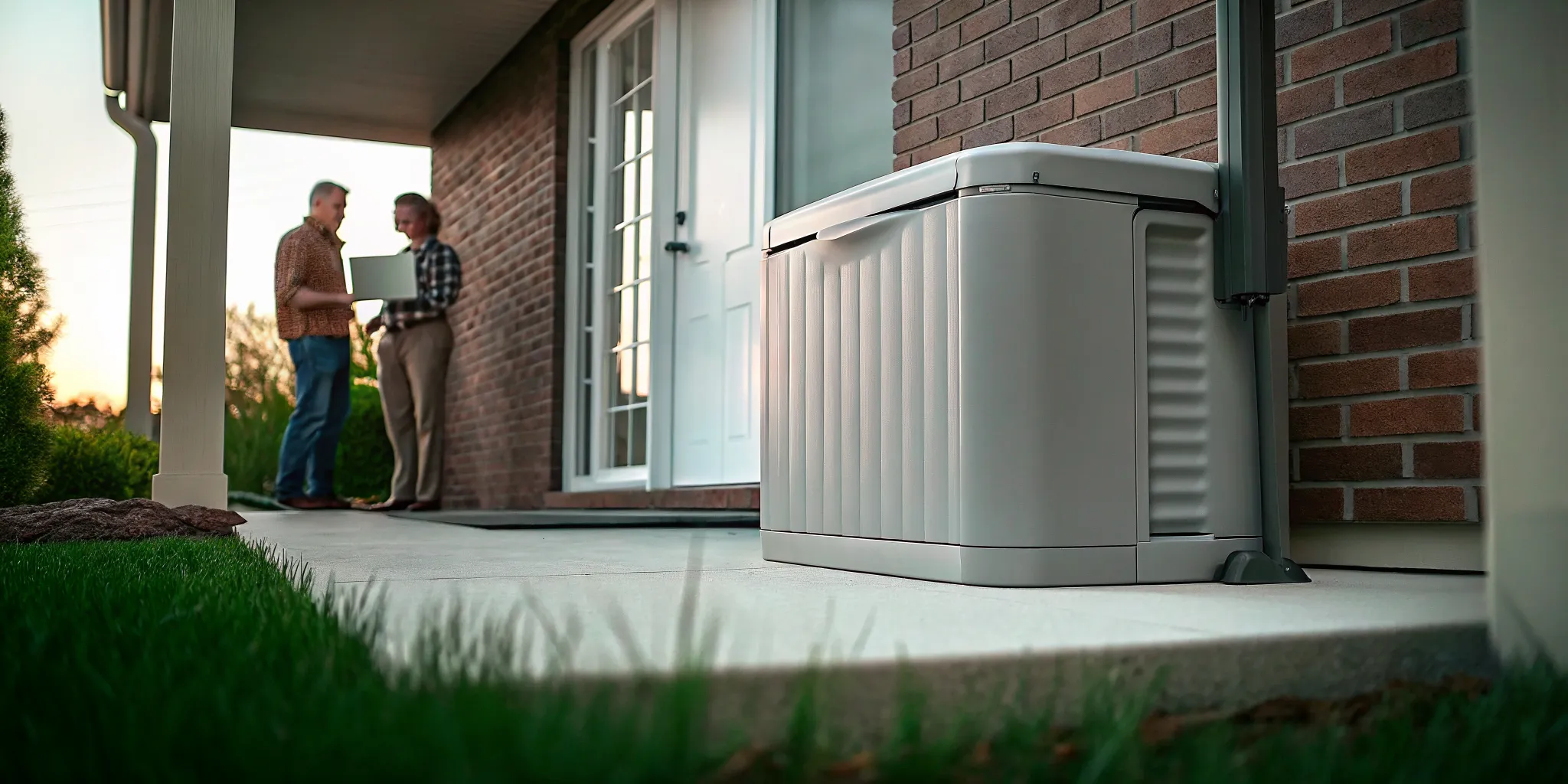
A standby generator is the most comprehensive solution for home power backup. These are permanent units, professionally installed outside your home, much like an air conditioning unit. They are connected directly to your home’s electrical system and fuel source, like natural gas or propane. Their biggest advantage is automatic operation. The moment the power goes out, a standby generator senses the disruption and kicks on within seconds, restoring power to your entire home without you having to lift a finger. This seamless transition provides true peace of mind, ensuring your lights, refrigerator, and HVAC system keep running. A backup generator installation is a significant home upgrade that keeps you safe and comfortable during any outage.
Portable Generators
Portable generators are a more flexible and budget-friendly option. As the name suggests, you can move these units around, making them useful for powering a few essential items during an outage, or for use on a job site or camping trip. Unlike standby models, portable generators require manual setup. When the power goes out, you’ll need to wheel the generator outside, start it up, and run extension cords to the appliances you want to power, like a refrigerator or a window AC unit. While they are incredibly useful in a pinch, they can’t power your whole home and require you to be present to get them running.
Inverter Generators
Inverter generators are a special type of portable generator known for producing “clean” power. This means the electrical current is stable and consistent, which is crucial for safely powering sensitive electronics like computers, TVs, and smartphones. A standard portable generator can sometimes cause power surges that damage these delicate devices. Inverter generators are also typically much quieter and more fuel-efficient than their conventional counterparts, making them a great choice for lighter-duty tasks. If your main concern is keeping your home office running or charging your devices during an outage, an inverter generator is an excellent and efficient option.
How to Choose the Right Size Generator for Your Home
Picking the right size generator is the most important step in the process. If you go too small, you won’t be able to run your essential appliances. If you go too big, you’ll end up overpaying for power you don’t need. The goal is to find that sweet spot: a generator that meets your specific needs without breaking the budget. It all starts with understanding exactly how much power your home actually uses.
Calculate Your Power Needs
The first step is to figure out what you need to power. Think about the absolute essentials you can’t live without during an outage. Is it the refrigerator and a few lights, or do you need to run your entire home, including the air conditioner? Make a list of every appliance and device you want to keep running. You can usually find the wattage required to run an item on its label or in the owner’s manual. Keep in mind that some appliances, like refrigerators and air conditioners, need a lot more power to start up than they do to run continuously. A professional can help you perform a detailed load calculation, but making a simple list is a great starting point.
Prioritize Your Essential Appliances
Once you have your list, it’s time to prioritize. Separate your items into two categories: “must-haves” and “nice-to-haves.” Must-haves typically include the refrigerator, freezer, some lights, and critical medical equipment. For many in the DFW area, the HVAC system also falls into this category. Nice-to-haves might include the TV, washer and dryer, or dishwasher. This exercise will help you decide between a smaller generator that powers a few dedicated circuits and a whole-house generator that can handle everything. Whole-house systems are powerful enough to run appliances that are wired directly into your home, like your water heater or central air conditioning, ensuring total comfort and convenience.
Common Power Needs for DFW Homes
So, what do those wattage numbers actually mean for your home? Home generators typically range in power from 7,000 to over 22,000 watts. A smaller 7,000-watt unit might be enough to cover the basics: your refrigerator, some lights, and a window AC unit. A mid-size generator (around 12,000 watts) could handle all of that plus your well pump and a few more circuits. If you want to power your entire home, including central air conditioning, you’ll likely need a system that’s 20,000 watts or more. The best way to get an accurate recommendation is to have a licensed electrician assess your home’s specific electrical load and your family’s needs.
What’s the Real Cost of a Home Generator?
When you start looking at home generators, the price tag is often the first thing on your mind. It’s important to remember that the total cost isn’t just the price of the unit itself. You also need to account for professional installation, which is critical for safety and performance, as well as ongoing maintenance and fuel costs. Understanding the full financial picture from the start helps you make a confident decision that fits your budget and keeps your home protected during a power outage. Let’s break down the numbers so you know exactly what to expect.
Standby Generator and Installation Costs
A standby generator is a permanent, powerful solution, and its price reflects that. For the generator and a complete professional backup generator installation, you can generally expect to invest between $8,000 and $16,000. This range can shift depending on the size of the generator you need and the specific requirements of your home’s electrical system. For example, gaseous generators can start around $3,600 for the unit alone, while more powerful diesel models might begin closer to $13,000. The final cost includes not just the machine but also the transfer switch, wiring, and expert labor required to integrate it seamlessly with your home.
Portable and Inverter Generator Prices
If a standby system feels like too much of a commitment, portable and inverter generators are excellent, more budget-friendly alternatives. These units offer flexibility since you can move them where you need power most. Prices for portable generators capable of running essential parts of your house can start as low as $800. Generally, you’ll find that most home backup portable models fall somewhere between $1,000 and $8,000. The price difference usually comes down to power output and extra features. You can find a wide variety of whole-house generators to fit different needs and budgets.
Factoring in Maintenance and Other Expenses
The initial purchase is just one part of the equation. To ensure your generator is ready to go when you need it, you have to plan for ongoing upkeep. This includes the cost of fuel (natural gas, propane, or gasoline) and regular maintenance. Simple tasks like running the generator for about 30 minutes each month, performing oil changes, and managing the fuel supply are key to its longevity and reliability. While you can handle some of these tasks yourself, scheduling professional service ensures everything is in top working order. Proper generator maintenance is a small price to pay for peace of mind during the next storm.
Weighing the Pros and Cons of Each Generator Type
Choosing a generator isn’t just about picking a brand; it’s about finding the right type for your home and lifestyle. Each option comes with its own set of benefits and trade-offs, from cost and convenience to power output. Understanding these differences is the key to making a smart investment that gives you peace of mind when the lights go out. Let’s break down what you can expect from standby, portable, and inverter generators so you can decide which one fits your needs.
Standby Generators: Pros and Cons
Standby generators are the ultimate solution for uninterrupted power. These permanent units connect directly to your home’s electrical system and automatically turn on the moment an outage occurs. You don’t have to lift a finger. They can power your entire home, from the air conditioning to the refrigerator, ensuring life continues as normal. The biggest drawback is the upfront investment. The total cost includes the unit itself plus a complex backup generator installation that requires a licensed professional to ensure it’s done safely and correctly.
Portable Generators: Pros and Cons
Portable generators offer a flexible, lower-cost alternative for temporary power. They’re great for running a few essential appliances, like a freezer or some lights, by using extension cords. You have to start them manually and keep them fueled, so they require more hands-on effort during an outage. While they are useful in a pinch, it’s a common myth that a portable unit can replace a standby generator. Their power output is limited, and they can’t support major systems like your central HVAC, which is a big consideration during a DFW summer.
Inverter Generators: Pros and Cons
Inverter generators are a quieter, more advanced type of portable generator. Their main advantage is producing “clean” power, which is a stable electrical current that’s safe for sensitive electronics like computers, TVs, and smartphones. They are also typically smaller, lighter, and more fuel-efficient than traditional portable models, making them an excellent choice for lighter loads. However, like other portable options, they lack the capacity to power an entire house. They provide high-quality power for specific devices but aren’t a match for the comprehensive reliability of a whole-home standby system.
Key Features to Look For in a Generator
Once you’ve decided on the right type and size of generator for your home, it’s time to compare specific models. The features you choose will directly impact your generator’s performance, convenience, and long-term reliability. From the fuel it uses to how it operates during an outage, every detail matters. Think about what will give you the most peace of mind when the Texas weather takes a turn. Let’s walk through the key features to look for so you can feel confident in your final choice.
Our Top Recommended Systems and Brands
When it comes to standby generators, we trust brands that have a proven track record of reliability and performance. Generac is a leader in the industry, known for building durable systems that homeowners can depend on. Their generators come in a wide range of power outputs, from smaller 10 kilowatt (kW) models perfect for essential circuits to powerful 40 kW units that can run an entire large home without skipping a beat. For even bigger needs, some models go up to 150 kW. Choosing a reputable brand ensures you have access to quality parts and expert service when you need it. We can help you select and install the perfect system for your home’s unique demands.
Power Output and Fuel Type
The power output, measured in kilowatts (kW), determines how many appliances your generator can run simultaneously. It’s essential to choose a model that can handle your calculated power needs without getting overloaded. Beyond wattage, you’ll need to select a fuel type. The most common options for home generators are natural gas, propane, diesel, and gasoline. Natural gas and propane are popular choices for standby generators because they can be connected directly to your home’s existing supply lines, providing a continuous fuel source. This means you won’t have to worry about refueling during an extended outage. Each fuel type has different costs and storage requirements, so consider what’s most practical for your property.
Safety Features and Noise Levels
Your family’s safety is the top priority, so look for generators with built-in safety features like automatic carbon monoxide (CO) shutoff and overload protection. Another important consideration is the noise level. Nobody wants a generator that sounds like a jet engine in their backyard. Thankfully, modern standby generators are designed with noise reduction technology, making them much quieter than older models or many portable units. A permanently installed standby generator is also more reliable and secure, giving you confidence that it will work safely when you need it most. Professional backup generator installation ensures all safety standards are met from day one.
Automatic Operation and Transfer Switches
One of the best features of a standby generator is its ability to operate automatically. This is made possible by an automatic transfer switch (ATS), a device that is the true hero of any backup power system. The ATS constantly monitors the power coming from the utility grid. The moment it detects an outage, it automatically disconnects your home from the grid and signals the generator to start, seamlessly transferring power to your home’s electrical panel. You don’t have to lift a finger. This ensures your essential appliances, like your refrigerator and HVAC system, keep running without interruption, whether you’re home or away.
Generator Installation, Safety, and Common Myths
Once you’ve chosen a generator, the next steps are installation and upkeep. Getting these right is just as important as picking the perfect model. Let’s clear up some confusion around the installation process, debunk a few myths, and cover the essential safety tips to keep your generator running smoothly for years to come.
Why Professional Installation Matters
While it might be tempting to try a DIY installation, setting up a standby generator is a job best left to the pros. A generator isn’t a simple plug-and-play appliance; it involves complex connections to your home’s electrical panel and requires a proper transfer switch to work safely. Each city in the DFW area also has specific building codes that must be followed. A licensed electrician understands these requirements and ensures your system is installed correctly, preventing serious risks like electrical fires or back-feeding power to the grid. For a safe and compliant setup, a professional backup generator installation is the only way to go.
Separating Generator Fact from Fiction
A couple of common myths often come up when people talk about home generators. Let’s set the record straight. First, many people believe that generators are difficult to maintain. The truth is, with simple, regular upkeep, your generator can provide reliable backup power for many years. Another misconception is that a portable generator can do the same job as a standby unit. While portable generators are great for specific, limited uses, they can’t power your whole home automatically. A standby generator, on the other hand, kicks in seamlessly the moment an outage occurs, keeping your essential systems running without any effort on your part.
Essential Maintenance and Safety Tips
Keeping your generator in top condition doesn’t require a lot of work, but it does require consistency. The most important thing you can do is run your generator for about 20-30 minutes every month. This “exercise” keeps the engine parts lubricated and ensures it’s ready when you need it. You should also perform basic upkeep, like checking the oil and fuel levels and keeping the area around the unit clear of debris. Once or twice a year, it’s a good idea to run a longer test to simulate a real outage. This helps you confirm that the generator can handle the load and gives you peace of mind.
Related Articles
- Backup Generator Installation – TLC Electrical
- What to Know Before Upgrading Your Electrical Panel in Your DFW Home – TLC Electrical
- Panel Upgrades: Why They Matter Today – TLC Electrical
Need Fast & Reliable Electrical Service?
Our licensed electricians are ready to help with repairs, installations, and emergency services. Get expert help you can trust today.
Frequently Asked Questions
What exactly is an automatic transfer switch, and do I really need one? Think of the automatic transfer switch (ATS) as the brain of your standby generator system. It’s a smart device that constantly monitors the electricity coming from the utility company. The second it detects a power outage, it safely disconnects your home from the grid and signals your generator to turn on, restoring power in seconds. You absolutely need one for a standby generator to function automatically and safely.
Can a portable generator really run my central air conditioning? This is a common question, especially for us here in Texas. The short answer is no; most portable generators simply don’t have enough power to handle the high-wattage demands of a central AC unit. Starting up an air conditioner requires a massive surge of electricity that portable models can’t provide. This is one of the main reasons homeowners choose a professionally installed standby generator for true whole-home comfort.
Which fuel source is best for a standby generator? For standby systems, natural gas and propane are the top choices. If your home already has a natural gas line, that’s often the most convenient option because it provides a continuous fuel supply without any need for refueling. If you don’t have access to natural gas, propane is an excellent alternative. It just requires a large storage tank on your property that will need to be refilled periodically.
How much maintenance does a standby generator actually require? Standby generators are surprisingly low-maintenance. Most modern units run a short self-test automatically each week to make sure everything is working correctly. Beyond that, your main job is to keep the area around the generator clear of debris. We also recommend scheduling a professional service appointment once a year, much like you would for your HVAC system, to ensure it’s ready for storm season.
Why can’t I just install a standby generator myself? Installing a standby generator is a complex job that involves high-voltage electrical wiring and connections to your home’s fuel lines. A professional installation ensures the system is connected safely to your electrical panel with the correct transfer switch, meets all local codes, and operates exactly as it should. For your safety and the protection of your home, this is one project you should always leave to a licensed electrician.