
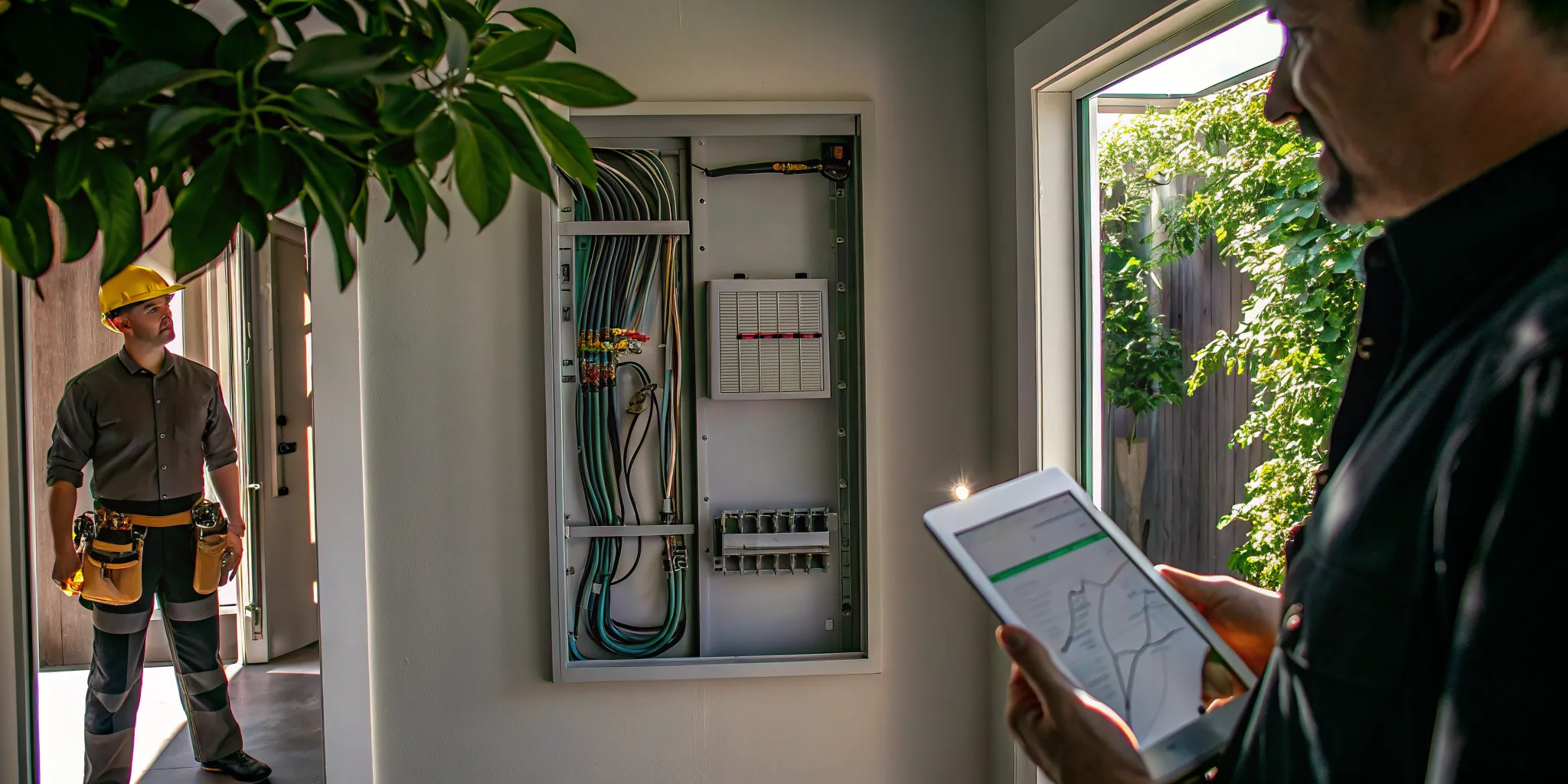
If you are planning an EV charger, a backup generator, a pool upgrade, or a major remodel, your electrical panel may be the first thing a licensed electrician needs to evaluate. Many DFW homes were built before today’s electrical loads became normal, so the right question is not only how much an electrical panel upgrade costs. The better question is what your home needs to run safely now and support future power demand.
Quick Answer: Electrical Panel Upgrade Cost in DFW
In DFW, many standard 100-amp to 200-amp panel upgrades fall in the roughly $2,500-$4,500 range, while larger 400-amp or complex service upgrades can cost more. The exact number depends on service size, meter base, grounding, wiring, permits, utility coordination, and whether the panel must move.
Use that range as a planning number, not a guaranteed quote. A licensed electrician needs to inspect the existing panel, service equipment, grounding, available capacity, and the load your home needs to support. TLC Electrical provides clear explanations and quote-based pricing so DFW homeowners can understand the work before approving it.
Need Fast & Reliable Electrical Service?
Planning a panel upgrade in Dallas, Fort Worth, Frisco, Southlake, Plano, Keller, Colleyville, McKinney, or a nearby DFW city? Schedule a professional evaluation with TLC Electrical.
DFW Electrical Panel Upgrade Cost Table
The table below shows common planning ranges for electrical panel projects in Dallas Fort Worth homes. Your actual quote can be lower or higher depending on site conditions, utility requirements, inspection findings, and the type of equipment required.
| Panel project | Typical DFW planning range | What affects the price |
|---|---|---|
| Like-for-like panel replacement | Often $1,800-$3,500 | Panel condition, breaker count, grounding, labeling, accessibility, permit requirements |
| 100-amp to 200-amp panel upgrade | Often $2,500-$4,500 | New panel, service capacity, meter base, grounding, city inspection, utility coordination |
| 200-amp to 400-amp or high-capacity upgrade | Often $4,500 and up | Larger service equipment, utility coordination, load calculations, meter changes, larger homes |
| Panel relocation | Often $3,000-$6,000 and up | Distance moved, wall access, service entrance changes, code clearance, repairs after relocation |
| Subpanel installation | Often $1,200-$3,000 and up | Garage, workshop, addition, pool equipment, distance from main panel, available capacity |
| EV charger load-related panel work | Often $1,500-$5,000 and up | Load calculation, charger amperage, dedicated circuit, panel capacity, possible service upgrade |
These ranges are useful for budgeting, but they do not replace an on-site evaluation. A panel that looks simple at first can require additional grounding, a new meter base, service entrance changes, or utility coordination once the electrician checks the full system.
100-Amp to 200-Amp Panel Upgrade
A 100-amp to 200-amp upgrade is one of the most common residential panel projects in DFW. A 200-amp panel gives many homes enough capacity for HVAC equipment, kitchen appliances, home office equipment, and future additions such as EV charger installation.
This project may include the new panel, breakers, grounding updates, a permit, inspection coordination, and sometimes work at the meter or service entrance. If the existing wiring is in good condition and the panel is easy to access, the project is usually more straightforward. If the home has outdated wiring, old grounding, limited clearance, or utility-side requirements, the cost can increase.
400-Amp, Smart Panel, and High-Capacity Upgrades
Larger homes and homes with high electrical demand may need more than a standard 200-amp panel. A 400-amp service or high-capacity setup may be appropriate for large HVAC loads, workshops, pools, multiple EV chargers, backup power equipment, or major additions.
Smart panels can also add value for homeowners who want more control over energy use. They may help monitor circuits and prioritize loads, but they add equipment cost and installation complexity. TLC Electrical can help homeowners compare whether a conventional panel, subpanel, smart panel, or service upgrade is the right fit.
Breaker Box Replacement vs. Full Service Upgrade
A breaker box replacement and a full service upgrade are not always the same project. A replacement may involve swapping an outdated or unsafe panel while keeping the same service size. A full service upgrade may increase capacity and require changes to the meter base, service entrance, grounding, and utility coordination.
If your main concern is a failing breaker, localized damage, or an outdated breaker box, start with TLC’s breaker box replacement cost guide and breaker box replacement guide. If your home needs more capacity for future loads, a full panel or service upgrade may be the safer long-term solution.
What Drives the Final Price?
Electrical panel upgrade pricing is highly site-specific. Two homes on the same street can have different project scopes because the existing panel, wiring, meter, grounding, code requirements, and planned electrical loads are different.
Panel Amperage and Available Capacity
The larger the service capacity, the more planning and equipment the project may require. A 200-amp panel is common for many modern homes, but the right size depends on a load calculation. An electrician should consider HVAC, kitchen appliances, laundry, home office equipment, EV charging, pool equipment, generator plans, and future remodels.
Meter Base, Grounding, and Wiring Condition
The panel is only one part of the electrical system. If the meter base, grounding electrode system, service entrance conductors, or branch wiring need attention, the project scope changes. Older homes can have wiring or equipment that needs correction before a new panel can be considered complete and code-compliant.
Panel Location and Installation Complexity
Location matters. A panel in an accessible garage is different from one in a cramped closet or a location that no longer meets clearance requirements. If the panel must move, the electrician may need to reroute circuits, repair walls, coordinate utility work, and meet current working-clearance rules.
Permits, Inspections, and Utility Coordination
Panel upgrades usually require a city permit and final inspection. Some projects also require coordination with the electric utility for disconnects, reconnects, service changes, or meter work. A reputable electrical contractor should include these steps in the project plan so the installation is safe and properly documented.
DFW Permit and Inspection Considerations
Across Dallas, Fort Worth, Frisco, Southlake, Plano, Keller, Colleyville, McKinney, and nearby DFW cities, panel upgrade work generally needs to follow local permitting and inspection requirements. Exact requirements and fees vary by municipality, so homeowners should avoid relying on a national cost calculator for a final price.
Permits and inspections protect the homeowner. They help confirm that the panel, breakers, grounding, labeling, service equipment, and installation methods meet applicable code requirements. TLC Electrical’s licensed electricians can explain what is required for your city and help coordinate the work so the project does not stall at inspection.
When a Panel Upgrade Is a Safety Issue
Some homeowners research panel upgrades because they want more capacity. Others need an inspection because the existing system is showing warning signs. If the panel is hot, noisy, damaged, overloaded, or visibly deteriorated, treat it as a safety concern.
Warning Signs to Schedule an Inspection
- Breakers trip repeatedly or will not reset.
- Lights flicker or dim when large appliances turn on.
- The panel buzzes, crackles, smells hot, or feels warm.
- There is rust, corrosion, water staining, or burn marks near the panel.
- You still have an old fuse box or equipment that is difficult to insure.
- You are adding an EV charger, generator, pool equipment, hot tub, or major appliance.
If you notice these issues, schedule a certified electrical inspection before adding more load to the system.
Older Panels and Insurance Concerns
Some older electrical panels, including certain Federal Pacific, Zinsco, and Challenger equipment, can raise safety and insurance concerns. Not every old panel has the same risk, but the brand, condition, installation quality, and service history matter. A licensed electrician can identify the panel type and explain whether repair, replacement, or a service upgrade is appropriate.
Do You Need a Panel Upgrade, Breaker Replacement, or Subpanel?
Not every electrical problem requires a full panel upgrade. The right solution depends on the root cause.
- Breaker replacement may be enough when a specific breaker is worn out or damaged.
- Panel replacement may be appropriate when the enclosure, bus bar, breakers, or panel brand creates a safety or reliability concern.
- Subpanel installation may help when you need circuits in a garage, workshop, addition, or pool area and the main service has enough available capacity.
- Full service upgrade may be required when the home needs more total electrical capacity.
TLC Electrical can inspect the system, explain your options, and recommend the level of work that solves the actual problem. If you are not sure which option fits your home, schedule service and ask for a panel evaluation.
Get the Right Panel Recommendation
A licensed TLC electrician can determine whether your home needs a breaker repair, panel replacement, subpanel, or full service upgrade.
Planning for EV Chargers, Generators, Pools, and Smart Homes
Panel planning is especially important when you are adding new electrical loads. EV chargers, backup generators, pool and spa equipment, high-demand appliances, and smart-home upgrades can all change what your electrical system needs to support.
For EV charging, the electrician should perform a load calculation and confirm whether the existing panel has capacity for the charger amperage you want. Some homes can support a dedicated EV circuit with minor changes. Others may need a panel upgrade, subpanel, load management, or service equipment updates.
Generator and pool projects can also affect panel design. If you are planning multiple upgrades, tell your electrician early. Coordinating the work can help avoid paying twice for overlapping panel, circuit, grounding, or inspection tasks.
How TLC Electrical Helps DFW Homeowners Plan the Right Upgrade
TLC Electrical is a woman-owned, independent electrical contractor serving DFW homeowners and businesses since 2003. The team focuses only on electrical work, which helps homeowners get practical guidance from electricians who understand panels, circuits, load calculations, inspections, and safety requirements.
When you call TLC Electrical for panel planning, the goal is not to sell the biggest project. The goal is to evaluate your current system, understand the loads you need to support, explain the safety considerations, and provide a clear quote. Homeowners can expect education-first service, clear communication, and professional licensed electrical services.
Frequently Asked Questions
How much does it cost to upgrade an electrical panel in DFW? Many standard 100-amp to 200-amp panel upgrades in DFW fall in the roughly $2,500-$4,500 planning range, while 400-amp, relocation, or complex service upgrades can cost more. The final cost depends on the existing electrical system, permits, utility coordination, and the amount of work needed for a safe installation.
Is a 200-amp panel enough for most homes? A 200-amp panel is common for many modern homes, but the right size depends on your load calculation. HVAC, kitchen appliances, EV charging, pool equipment, generators, and future remodels can all affect the recommendation.
Do I need a permit for an electrical panel upgrade? In most DFW cities, a panel upgrade requires a permit and inspection. Requirements vary by municipality, so your electrician should confirm the process for your city before work begins.
How long will my power be out during a panel upgrade? Many panel replacement projects require the power to be off for much of the installation day. More complex service upgrades can take longer or require utility coordination. Your electrician should explain the expected timeline before work starts.
Can I add an EV charger without upgrading my panel? Sometimes, yes. It depends on available capacity, charger amperage, existing circuits, and the load calculation. A licensed electrician can determine whether you need only a dedicated circuit, a subpanel, load management, or a full panel upgrade.
When is a panel upgrade a safety issue? Repeated breaker trips, buzzing, burning smells, hot breakers, rust, corrosion, old fuse boxes, or known problematic panel types should be inspected promptly. Do not keep adding load to a panel that may already be overloaded or damaged.
Talk With a Licensed DFW Electrician
Need help budgeting for a panel upgrade, EV charger, generator, pool equipment, or electrical inspection? TLC Electrical can evaluate your home and explain the safest path forward.