
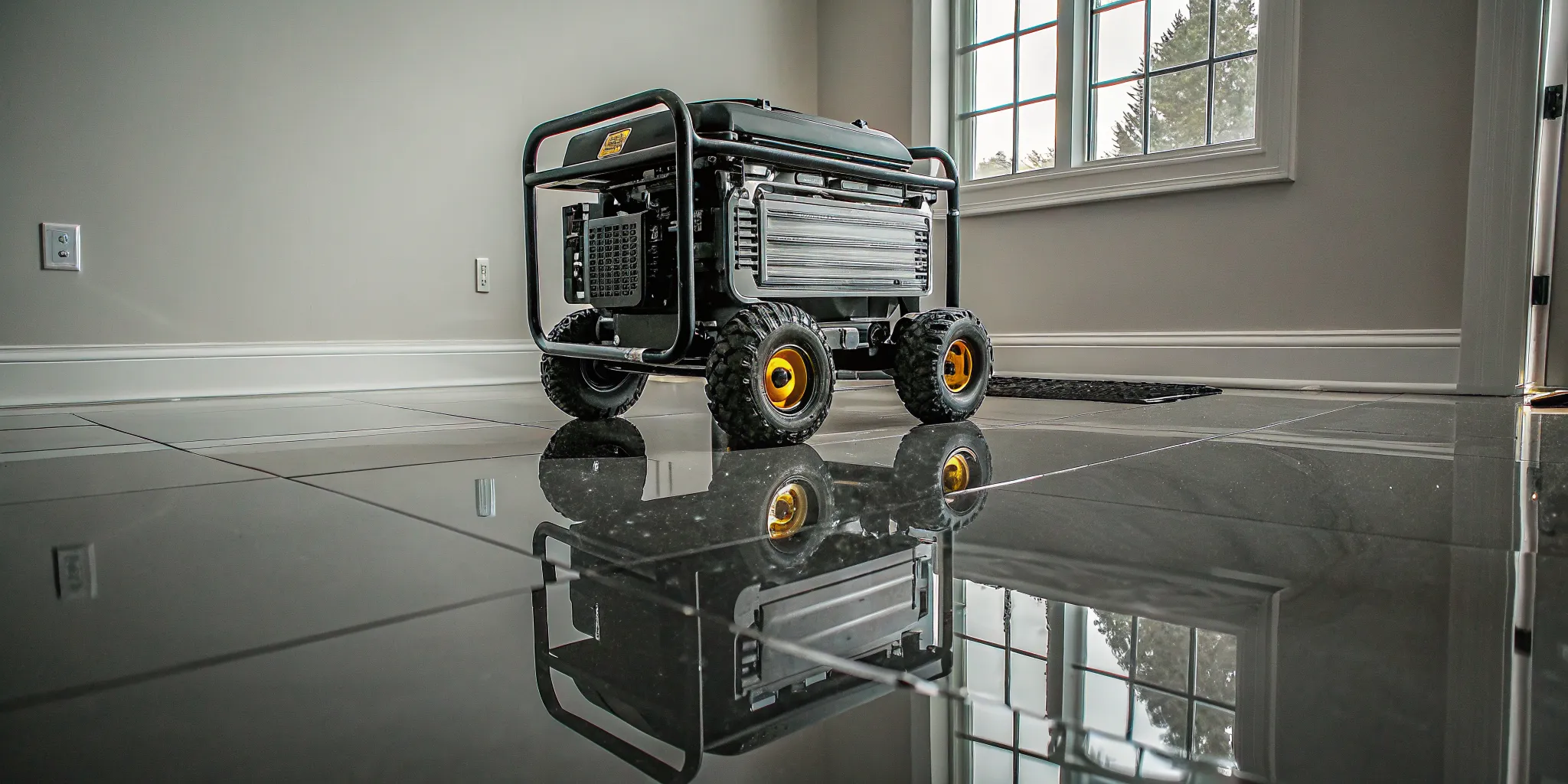
Here in the Dallas-Fort Worth area, a strong storm can knock out power without warning. A 50 amp generator can support major home loads like central air, refrigeration, lighting, and critical circuits, but only when the generator is sized correctly and connected through approved transfer equipment. This guide explains what a 50 amp generator can power, how transfer switches and interlock kits keep backup power safe, and when to bring in a licensed electrician for safe backup generator installation.
Need Fast & Reliable Electrical Service?
Our licensed electricians are ready to help with repairs, installations, and emergency services. Get expert help you can trust today.
Key Takeaways
- Understand the Power You’re Getting: A 50 amp generator delivers a total of 100 amps (about 12,000 watts) across two separate lines, which is why it can power major appliances. Before you buy, add up the wattage of your essential devices to confirm it’s the right fit for your home.
- Prioritize Safe Installation and Operation: A generator must be connected to your home with a professionally installed transfer switch or interlock kit to prevent dangerous backfeeding. For personal safety, always run your generator outdoors and at least 20 feet away from your house to avoid carbon monoxide poisoning.
- Protect Your Investment with Maintenance: A generator needs regular care to be reliable during an outage. Simple tasks like checking the oil before each use, running it monthly under a load, and keeping it clean will protect its engine and ensure it’s ready to perform when you need it most.
What Is a 50 Amp Generator?
When you’re looking for a serious power solution, especially for whole-home backup during an outage, a 50 amp generator is often the answer. It’s a significant step up from smaller, portable models and is designed to handle the heavy electrical loads of a modern home or even a small business. Think of it as the workhorse of the generator world, capable of running multiple large appliances at once so you can keep life moving without interruption. Here in the Dallas-Fort Worth area, where storms can knock out power unexpectedly, having that kind of reliability is more than a convenience; it’s peace of mind. A proper backup generator installation is a major home improvement project, and understanding what “50 amp” really means is the perfect place to start. This isn’t just about plugging in a few lamps and charging your phone. It’s about powering your central air conditioning on a hot Texas summer day, keeping your refrigerator and freezer running, and ensuring your home office or security systems stay online. A 50 amp generator provides the robust power needed to bridge the gap between a minor inconvenience and a major disruption, giving you the freedom to live comfortably and safely until the grid is restored.
Breaking Down the Power and Specs
So, what kind of power are we talking about? A 50 amp generator is a powerhouse, plain and simple. While a 30 amp unit might give you 3,600 to 7,200 watts, a 50 amp generator provides much more power, typically around 12,000 watts. This is enough to run demanding appliances like your central air conditioner, electric stove, and water heater all at the same time. The magic behind this is how the power is delivered. A 50 amp service uses two separate 120-volt power lines, each providing 50 amps of current. When you do the math (120 volts x 50 amps x 2 lines), you get that impressive 12,000-watt total. This split-phase power is exactly what your home’s main electrical panel uses, making it ideal for a seamless connection.
Common Myths About 50 Amp Generators
There’s a lot of confusing information out there, so let’s clear up a few common myths. The biggest one is the oft-held misconception that a 50 amp service provides a total of 50 amps. In reality, it’s 50 amps on each of its two lines, giving you a total of 100 amps of available current, or 12,000 watts of power. It’s a huge difference that’s critical for properly sizing your generator. Another point of confusion is the plug itself. Some people assume that just because a generator has a 50 amp plug, it’s putting out the maximum power. However, the generator’s actual output is measured in watts. The “50 Amp” label on the outlet simply refers to the capacity of the main outlet, not necessarily the generator’s total power rating. Always check the wattage to know what you’re really getting.
What Can a 50 Amp Generator Power?
A 50 amp generator is a serious power source, delivering up to 12,000 watts to keep your life running during an outage. This is a big step up from smaller models, giving you the flexibility to power more than just the bare minimum. Whether you’re looking to keep your home comfortable, power your RV for a weekend getaway, or run heavy-duty equipment for your business, a 50 amp generator has the muscle to handle it. Let’s look at exactly what you can expect to run in different situations.
Essential Appliances in Your Home
With a 50 amp generator, you can keep your home’s most important systems online. This includes essentials like your refrigerator, freezer, furnace fan, well pump, and microwave. You’ll also have enough power for lights and a window AC unit, which can make a huge difference during a Texas summer outage. While a 50 amp unit is powerful, it’s important to manage your load. It typically can’t run all of your high-demand appliances at the same time, such as a central air conditioner, an electric stove, and an electric water heater. A proper backup generator installation ensures your home’s critical circuits are covered safely.
RVs and Recreational Activities
For RV owners, a 50 amp generator is the gold standard. A 50 amp RV hookup provides two separate 120-volt lines of power, giving you a total of 12,000 watts to work with. This is more than enough to run multiple air conditioning units, your kitchen appliances, and all the comforts of your home-on-wheels without tripping a breaker. It’s also great for powering outdoor fun, from lighting up a campsite to running the equipment for your backyard pool and spa. Just be sure the generator you choose is rated to deliver true 50 amp power, as some models with a 50 amp plug may not provide the full output.
Commercial and Heavy-Duty Equipment
A 50 amp generator is a versatile workhorse for commercial use. It provides enough electricity to run demanding tools on a job site, including welding equipment and large saws, without interruption. For businesses, this can mean the difference between a productive day and a costly shutdown. These generators are also an excellent choice for workshops or as a reliable backup for essential systems. If your business relies on specific equipment to operate, having dependable commercial electrical services and a powerful generator on standby provides invaluable peace of mind and operational continuity.
How to Choose the Right 50 Amp Generator
Picking the right generator can feel like a big decision, but it doesn’t have to be complicated. When you know what to look for, you can confidently choose a model that fits your home and your needs perfectly. A 50 amp generator is a powerful tool, capable of running a significant portion of your home during an outage, but it’s not a one-size-fits-all solution.
To find the best fit, you’ll want to think about a few key things. First, how much power do you actually need? From there, you can compare different fuel sources, decide between a portable or a permanently installed standby model, and look at the specific features that make a generator easy and safe to use. Let’s walk through each of these steps so you can make a choice that gives you peace of mind when the lights go out.
Calculate Your Power Needs
Before you start shopping, the most important step is to figure out your power requirements. A 50 amp generator is a heavy-hitter, providing around 12,000 watts of power. This is a big step up from a 30 amp model, which typically offers between 3,600 and 7,200 watts. The extra wattage means you can run multiple large appliances at once, like your central air conditioner, an electric stove, and a water heater.
To see if this is the right size for you, make a list of all the essential items you’d want to power during an outage. Note the starting and running wattage for each appliance (usually found on a label on the device). Adding these up will give you a clear picture of your needs and confirm if a 50 amp generator is the right match for your home’s backup power plan.
Compare Fuel Types
Your generator’s fuel type affects its runtime, cost, and convenience. Most 50 amp generators run on one of four main fuels: gasoline, propane, natural gas, or diesel. Gasoline is easy to find, but it has a short shelf life and can be hard to get during a widespread power outage. Propane lasts much longer in storage and burns cleaner, but you’ll need to keep filled tanks on hand.
For standby generators, natural gas is a popular choice because it connects directly to your home’s utility line, providing a virtually endless supply. You never have to worry about refueling. Diesel is another option, known for its fuel efficiency and power, though the engines can be louder. Consider which fuel source is most practical and accessible for you in the Dallas-Fort Worth area.
Portable vs. Standby Generators
Next, you’ll need to decide between a portable or a standby generator. A portable 50 amp generator offers flexibility. You can take it on the road for an RV trip or move it around a job site. On a full tank, most portables will run for 10 to 24 hours. However, they require manual setup during an outage and must be connected to your appliances with heavy-duty extension cords.
A standby generator is a permanent solution. It’s installed outside your home and wired directly into your electrical panel. These units can run for days (sometimes up to 500 hours) and turn on automatically the moment the power goes out, providing seamless backup for your entire home. A standby generator installation ensures your home is always protected, whether you’re there or not.
Key Features to Look For
Once you’ve settled on the basics, a few final features can make all the difference. Pay close attention to the generator’s specific power output to ensure it meets the wattage you calculated. You’ll also want to check its fuel efficiency, which tells you how long it can run on a single tank of gas or propane.
For residential areas, the noise level, measured in decibels (dB), is a huge consideration. A quieter generator will keep both you and your neighbors happy. If you’re choosing a portable model, check its weight and whether it has wheels and handles for easier movement. Features like an electric start (instead of a pull-cord) and automatic carbon monoxide shutoff can also add significant convenience and safety.
Do You Need a Transfer Switch for a 50 Amp Generator?
Yes, if you want a 50 amp generator to power home circuits through your electrical panel, you need approved transfer equipment. The generator should never be connected directly to a panel, dryer outlet, range outlet, or wall receptacle. A transfer switch or properly matched interlock kit separates your home from utility power before generator power is introduced, which protects your family, your equipment, and utility crews working nearby.
Why Backfeeding Is Dangerous
Backfeeding happens when generator power travels from a home back onto utility lines. That can energize wires that utility workers expect to be dead, damage appliances when grid power returns, and create serious fire or shock hazards inside the home. Do not use a homemade cord, dryer outlet connection, or any setup that bypasses approved transfer equipment.
Manual Transfer Switch vs. Interlock Kit
A manual transfer switch lets you choose specific circuits that the generator can power during an outage. An interlock kit works at the main panel and prevents the main breaker and generator breaker from being on at the same time. Both can be safe when they are listed for the panel, installed correctly, labeled clearly, and used according to the manufacturer’s instructions. The right choice depends on your panel, your essential loads, and how you want to operate the system during an outage.
When an Automatic Transfer Switch Makes Sense
An automatic transfer switch is common with standby generators. It senses an outage, starts the generator, transfers selected loads, and returns the home to utility power when service is restored. If you want backup power without manually starting a portable generator, or if you need reliable power for medical equipment, refrigeration, home office equipment, or security systems, ask a licensed electrician whether an automatic transfer switch and standby system are the better fit.
If you are planning a 50 amp generator connection, TLC Electrical can help with load calculations, inlet placement, transfer equipment, and safe backup generator installation for Dallas-Fort Worth homes. Call (817) 424-2684 or schedule service before connecting generator power to your panel.
How to Safely Connect a Generator to Your Home
So, you have your generator ready to go for the next power outage. That is a great first step, but the connection method determines whether backup power is safe. Extension cords can work for a few plug-in items, but a 50 amp generator that feeds home circuits needs a listed inlet, the correct breaker setup, and approved transfer equipment installed or inspected by a licensed electrician. Never plug a generator into a standard wall outlet or dryer outlet, because that can create dangerous backfeeding.
The right way to power your home involves integrating the generator with your home’s electrical panel. This allows you to safely power entire circuits in your house, like your kitchen, well pump, or HVAC system. To do this, you need one of two devices: a transfer switch or an interlock kit. Both are designed to ensure that your home is drawing power from either the utility grid or your generator, but never both at the same time. This is the key to keeping your appliances, your home, and the utility workers on the lines safe.
Why You Need a Transfer Switch
Think of a transfer switch as the official gatekeeper for your home’s power. This device is installed next to your main electrical panel and completely isolates your home from the utility lines before it switches to generator power. This is critical because it prevents backfeeding, which sends electricity from your generator back into the grid and can seriously injure or kill utility workers trying to restore power. A transfer switch also protects your sensitive electronics and appliances from a sudden power surge when the main power comes back on. For these reasons, a proper backup generator installation with a transfer switch is often required by local electrical codes.
Understanding Interlock Kits
An interlock kit is a more budget-friendly alternative to a transfer switch that provides the same essential safety function. It’s a simple mechanical plate that gets installed directly onto your existing electrical panel. The interlock makes it physically impossible to have both the main utility breaker and the generator breaker turned on simultaneously. You have to manually slide the plate to switch from one power source to the other. While it’s less automated than a transfer switch, an interlock kit is a perfectly safe and code-compliant way to prevent dangerous backfeeding and manage your home’s power during an outage. It’s a solid, practical choice for many homeowners.
The Importance of Professional Installation
Whether you choose a transfer switch or an interlock kit, this is one job you should not do yourself. Connecting a generator to your home’s electrical panel involves working with high-voltage wiring and requires a deep understanding of electrical systems and local codes. A mistake can lead to house fires, damage to your appliances, or severe injury. For your safety and peace of mind, always hire a licensed and insured electrician for the installation. A professional will ensure the job is done correctly, safely, and in compliance with all regulations, giving you a reliable connection you can count on when you need it most. These are the kinds of electrical services best left to the experts.
Generator Safety Tips You Need to Know
A 50 amp generator is a powerful tool, but with that power comes a serious responsibility to operate it safely. Getting familiar with a few key safety practices is non-negotiable for protecting your family, your property, and the utility workers in your community. When you use a generator, you are managing a significant electrical current, and cutting corners can have dangerous consequences.
The good news is that generator safety is straightforward. It comes down to three critical areas: preventing carbon monoxide poisoning, avoiding electrical hazards like backfeeding, and ensuring your unit is set up correctly with proper grounding and ventilation. Let’s walk through what you need to do to stay safe during a power outage.
Prevent Carbon Monoxide Poisoning
The single most important rule of generator safety is to never, ever run your generator inside your home, garage, basement, or any enclosed or partially enclosed space. Generators produce carbon monoxide (CO), a colorless and odorless gas that can be lethal. Always operate your generator outdoors, at least 20 feet away from your house, with the exhaust pointing away from any doors, windows, or vents.
As a vital secondary line of defense, make sure you have working carbon monoxide detectors installed throughout your home. These devices are essential for alerting you to the presence of this dangerous gas. Think of them like smoke detectors for a threat you can’t see or smell. Proper placement is your first and best defense, but CO detectors provide a critical safety net.
Avoid Electrical Hazards and Backfeeding
Connecting a generator directly to your home’s wiring without the right equipment is incredibly dangerous. This can cause “backfeeding,” a hazardous situation where electricity from your generator travels back through the utility lines. This can injure or even kill utility workers who are working to restore power, as they won’t be expecting the lines to be energized.
To prevent this, you must use a transfer switch or an interlock kit. These devices safely connect the generator to your home’s electrical panel and prevent backfeeding by making it impossible for the generator and the utility lines to be connected at the same time. A professional backup generator installation ensures this is done correctly, keeping everyone safe.
Ensure Proper Grounding and Ventilation
Proper ventilation goes hand-in-hand with preventing carbon monoxide poisoning. Keeping your generator in an open area outdoors not only disperses harmful exhaust fumes but also prevents the machine from overheating. Your generator needs plenty of fresh air to run efficiently and safely.
Grounding is another crucial step that protects you from electrical shock. A generator must be properly grounded to provide a safe path for electrical current to travel in case of a fault. This typically involves connecting the generator’s frame to a grounding rod driven into the earth. Because specific requirements can vary, it’s always best to have a professional handle your electrical services to ensure your generator is set up for safe, reliable operation.
Before You Buy: 50 Amp Generator Installation Checklist
Before you choose a generator, walk through the installation details that determine whether the system will actually meet your needs. A little planning up front can prevent undersized equipment, unsafe connections, and surprise electrical work later.
Confirm Your Essential Loads
List the circuits you want during an outage, then note the starting watts and running watts for each major load. Central air, refrigerators, freezers, well pumps, medical equipment, internet equipment, and lighting should be reviewed together. A licensed electrician can perform a load calculation and help decide whether a 50 amp generator is enough or whether a different backup power option makes more sense.
Check Panel Capacity and Inlet Placement
Your electrical panel must have room for the required breaker or transfer equipment, and the generator inlet needs a safe outdoor location. Plan for a spot that keeps the generator outdoors, level, away from doors and windows, and at least 20 feet from the home when a portable unit is running. The inlet and cord path should also be practical during storms, when visibility and footing may be poor.
Plan for Permits, Inspection, and Safe Operation
Generator work must follow electrical code, equipment instructions, and local inspection requirements. Ask about the transfer switch or interlock kit, grounding, labeling, fuel storage or standby fuel source, carbon monoxide safety, monthly test runs, and annual maintenance. If you are unsure about any part of the setup, schedule professional backup generator installation before the next outage season.
Common Mistakes to Avoid When Buying a Generator
Buying a generator is a significant investment in your home’s comfort and security, so you want to get it right the first time. It’s easy to feel overwhelmed by the technical specs and different models available. To help you feel confident in your decision, let’s walk through a few common mistakes people make when choosing a generator. Avoiding these pitfalls will ensure you end up with a reliable power source that truly meets your needs when the lights go out. Making an informed choice now saves you from headaches later.
Miscalculating Your Power Needs
One of the most frequent errors is underestimating how much power you actually require. Many people see “50 amp service” and assume that’s the total output, but it’s a bit misleading. A standard 50 amp service actually delivers power on two separate lines, giving you a total of 100 amps, or 12,000 watts. Choosing a generator based on the wrong number means you might not be able to run all your essential appliances. Before you buy, it’s wise to get a professional load calculation to ensure your backup generator installation is perfectly sized for your home’s demands.
Forgetting About Split-Phase Requirements
Building on that last point is the technical detail of split-phase power. Your home’s 50 amp connection isn’t one single power line; it’s two distinct 120-volt lines that work together to provide 240 volts for larger appliances like your HVAC or oven. Your generator must be specifically designed to handle this split-phase configuration to work correctly and safely with your home’s electrical system. Using a generator that isn’t compatible can prevent it from powering your devices properly and may even pose a safety hazard. This is why understanding your home’s wiring is a crucial part of the process and where professional electrical services become invaluable.
Choosing the Wrong Fuel Type
The type of fuel your generator uses is another critical decision that affects its performance, maintenance, and convenience. Gasoline is widely available but has a short shelf life, while propane can be stored for years but may be less efficient in very cold weather. Diesel generators are powerful and efficient but are often larger and louder. For standby models, natural gas is a fantastic option because it connects directly to your utility line, providing a virtually endless supply. Consider which fuel source will be the most practical and accessible for you during an extended power outage before making a final choice.
Can You Run a 50 Amp Generator Continuously?
So, can you run your 50 amp generator around the clock during a power outage? The short answer is yes, but not without some important conditions. A portable generator isn’t designed to run indefinitely like a permanently installed standby unit. Think of it more like a marathon runner than a machine on an assembly line; it can go the distance, but it needs fuel, rest, and proper care to perform well without burning out. For true, uninterrupted power, a professionally installed backup generator is your best bet, as it’s built for exactly that purpose.
When using a portable 50 amp generator for an extended period, the two most critical factors are its runtime and how you manage the electrical load. Runtime is simply how long the generator can operate on a single tank of fuel, while load management involves being strategic about what you power and when. Pushing your generator to its maximum output for hours on end can lead to overheating and long-term damage. By understanding its limits and giving it what it needs, you can safely keep your essential appliances running through a multi-day outage.
Understanding Runtimes and Load Management
Most portable 50 amp generators can run for 10 to 24 hours on a full tank of fuel. However, that runtime depends entirely on the load, which is the amount of power you’re drawing. Powering a few lights and a refrigerator will consume far less fuel than running a central air conditioner and a water heater at the same time. To maximize your runtime, you have to be smart about your power consumption.
This is where load management comes in. It’s best to run your generator at 50% of its total capacity or less for extended periods. While it can handle higher loads for short bursts, keeping the demand low prevents the engine from overworking and overheating. During a long outage, this might mean rotating your use of large appliances. For example, you could run the AC for a few hours, then switch it off to run the water heater. This balanced approach protects your generator and ensures you have reliable power.
Best Practices for Extended Use
If you need to run your generator for days at a time, following a few best practices will keep it in good shape. First and foremost, give it breaks. After running for a full day (around 24 hours), shut the generator down and let it cool off for at least an hour or two. This prevents overheating and provides a safe opportunity to refuel and perform quick maintenance checks.
Oil is absolutely critical to your generator’s health. You should get in the habit of checking the oil level before every single use. During long-term operation, you’ll need to change the oil after every 50 to 60 hours of use. This simple step is one of the most effective ways to increase the life span of your generator. Finally, don’t let your generator sit unused for months on end. To keep it ready for an emergency, run it for about 30 minutes each month with some appliances plugged in. This keeps the engine parts lubricated and ensures it will start right up when you need it most.
What’s the Cost to Install a 50 Amp Generator?
Figuring out the budget for a 50 amp generator involves more than just the sticker price. The total investment breaks down into three main parts: the generator itself, professional installation, and ongoing costs for fuel and maintenance. Understanding each piece helps you plan effectively and avoid surprises. Let’s walk through what you can expect to pay for each component, so you can feel confident about getting your home or business prepared for a power outage.
The Price of the Generator Itself
The first item on your budget is the generator unit. A quality 50 amp generator can cost anywhere from several hundred to a few thousand dollars, depending on the brand, fuel type, and extra features like an electric start. While it’s tempting to go for the cheapest option, remember that you’re buying this for peace of mind during an outage. Investing in a reliable generator from a reputable brand ensures it will be ready to perform when you need it most. This initial purchase is the foundation of your home’s backup power system.
Professional Installation and Electrical Work
This is one area where you shouldn’t cut corners. Safely connecting a generator to your home’s electrical system requires a licensed electrician. The cost for professional installation typically ranges from $450 to $1,600. This fee usually covers materials like a 50 amp inlet box and breaker, plus the expert labor to put it all together. The final price can vary depending on the inlet box location and your panel’s condition. Hiring a professional for your backup generator installation ensures your setup is safe, up to code, and won’t risk damaging your appliances or creating a fire hazard.
Long-Term Fuel and Maintenance Costs
Once your generator is installed, there are a couple of ongoing costs to keep in mind. The most obvious one is fuel, which will vary based on usage and local prices. It’s a good idea to keep a safe supply on hand. The other long-term cost is maintenance. Just like your car, your generator needs regular service to run efficiently, including oil changes and filter replacements. Scheduling regular electrical services to check on your generator ensures it will start right up when you flip the switch, protecting your investment for years to come.
What Maintenance Does a 50 Amp Generator Need?
Think of your generator like a car: it’s a powerful engine that needs regular care to perform reliably when you need it most. Consistent maintenance is the single best thing you can do to ensure your generator starts up without a hitch during a power outage and lasts for years to come. Neglecting it can lead to frustrating failures and expensive repairs down the road.
Fortunately, keeping your 50 amp generator in top shape doesn’t require a degree in engineering. A few simple, routine checks can make all the difference. By creating a maintenance schedule, you protect your investment and guarantee peace of mind. For more complex issues or annual servicing, it’s always best to rely on a professional. Our team handles backup generator installation and can set you up with a maintenance plan to keep it running smoothly.
Your Regular Service Checklist
A simple checklist can help you stay on top of routine generator care. First, always keep an eye on the oil and other fluid levels. Just like in your car, low or dirty oil can quickly cause serious engine damage. Next, take a moment to visually inspect the unit. Look over the hoses and coils for any cracks, rust, or signs of wear. Catching a small leak early can prevent a major failure during a storm. Finally, make sure the area around your generator is clean and clear of debris to ensure it has proper airflow.
How to Prep for Seasonal Use and Storage
To make sure your generator is always ready, you should run it for about 30 minutes every month. It’s important to run it under a full load, which means plugging in some appliances to make the engine work. This keeps all the internal parts lubricated and charged. If you plan to store your generator for an extended period, it’s a good idea to manage the fuel. Old gasoline can degrade and clog the system, so many experts recommend emptying the tank completely before storage. Following these generator maintenance steps will ensure it starts right up after sitting for a while.
Signs It’s Time to Call a Professional
While you can handle basic upkeep, some issues require an expert. If your generator has trouble starting, makes unusual noises, or produces visible smoke, it’s time to call for help. Another key indicator is the condition of the oil; if it looks milky or has debris in it, that could signal a serious internal problem. Don’t hesitate to consult your manufacturer’s guidelines, and if the generator isn’t performing as it should, turn it off. Trying to fix complex electrical or mechanical problems yourself can be dangerous. Our licensed electricians provide a full range of electrical services and can safely diagnose and repair your generator.
Related Articles
- Backup Generator Installation – TLC Electrical
- Panel Upgrades: Why They Matter Today – TLC Electrical
- What to Know Before Upgrading Your Electrical Panel in Your DFW Home – TLC Electrical
- Whole House Surge Protection – TLC Electrical
Need Fast & Reliable Electrical Service?
Our licensed electricians are ready to help with repairs, installations, and emergency services. Get expert help you can trust today.
Frequently Asked Questions
Why is a 50 amp generator so much more powerful than a 30 amp one? This is a great question because the name can be a little misleading. A 50 amp generator doesn’t just provide 50 amps of power; it delivers 50 amps on two separate 120-volt lines. This gives you a total of 100 amps of available current, or about 12,000 watts of power. A 30 amp unit, by contrast, typically has only one line. This split-phase power is what allows a 50 amp generator to handle multiple large appliances, like your central air conditioner and water heater, at the same time.
Can a 50 amp generator power my entire house during an outage? While a 50 amp generator is a true workhorse, it generally can’t power every single appliance in your home simultaneously. It provides enough electricity to keep your life running comfortably, covering essentials like the refrigerator, lights, well pump, and even your central AC. However, you’ll need to manage your usage. For example, you probably can’t run your air conditioner, electric oven, and clothes dryer all at once. The key is to power your critical systems and rotate the use of other high-demand appliances.
What’s the real difference between a transfer switch and an interlock kit? Both devices do the same critical job: they safely connect your generator to your home and prevent dangerous backfeeding into the utility grid. The main difference is automation versus manual control. A transfer switch automatically detects a power outage and switches your home to generator power. An interlock kit is a simpler mechanical device that requires you to manually flip the breakers to switch from utility to generator power. A transfer switch offers more convenience, while an interlock kit is a very effective and more budget-friendly option.
Do I really need an electrician to connect my generator to my house? Yes, absolutely. This is one project you should always leave to a licensed professional. Connecting a generator to your home’s electrical panel involves working with high-voltage systems and must be done according to strict safety codes. A mistake can lead to a house fire, destroy your electronics, or create a deadly hazard for utility workers. Hiring a qualified electrician ensures the job is done safely and correctly, giving you reliable power you can count on.
Besides regular maintenance, what’s the most important thing I can do to keep my generator reliable? The single best thing you can do is to run your generator regularly. Letting it sit for months on end is a sure way to find it won’t start when you need it. I recommend running it for about 30 minutes every month under a load, which just means plugging in a few appliances to make the engine work. This simple habit keeps the internal parts lubricated, the battery charged, and the fuel system clear, ensuring it will be ready to go at a moment’s notice.