
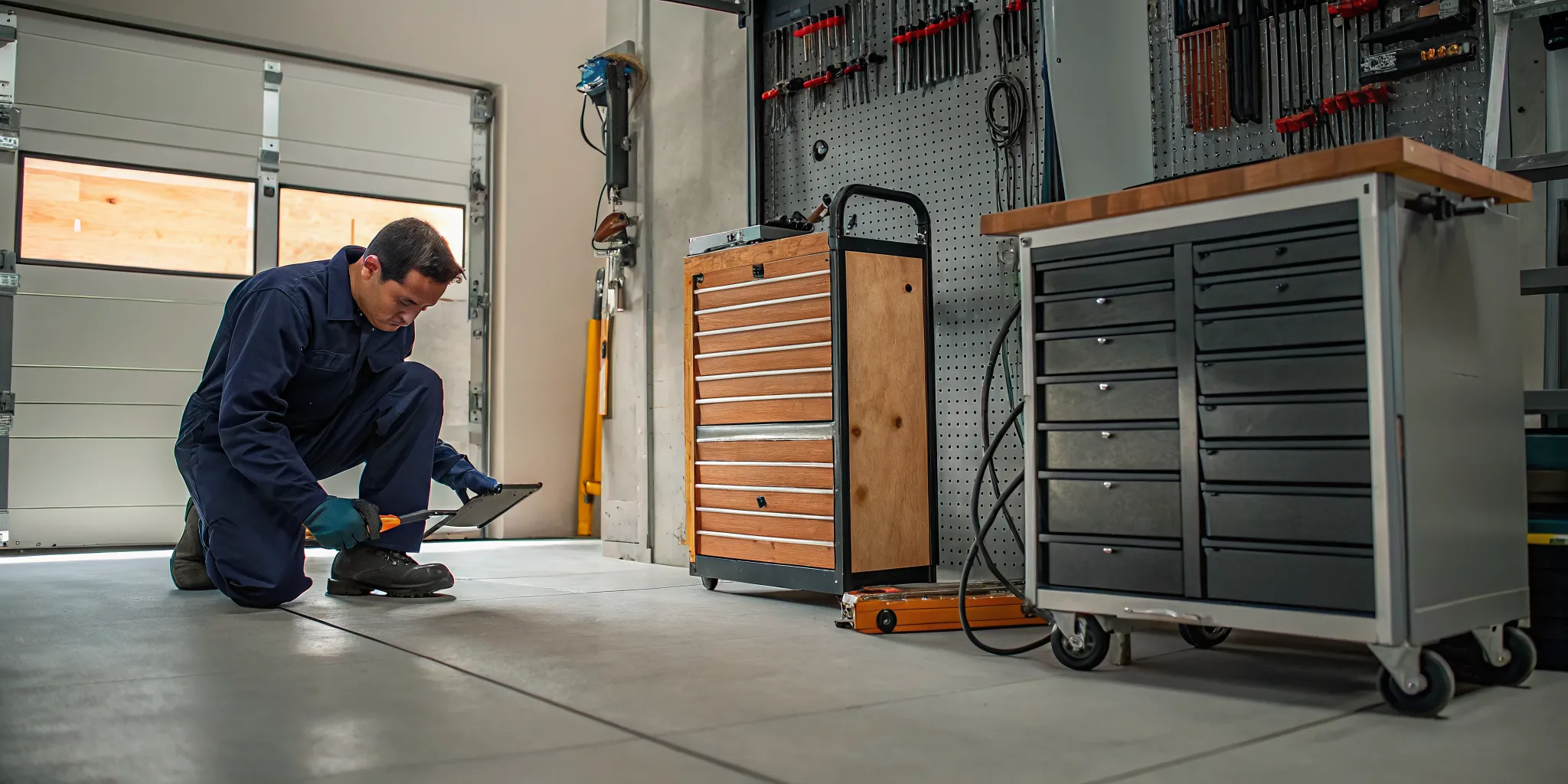
A malfunctioning generator isn’t just an inconvenience; it can be a serious safety risk. Strange noises, fuel leaks, or frayed wiring are all red flags that demand immediate attention to prevent fire or electrical hazards. Before you attempt any fix, it’s critical to understand the potential dangers and how to proceed safely. This guide prioritizes your safety by outlining the warning signs of a hazardous issue. We’ll walk you through safe troubleshooting practices and explain which situations absolutely require the expertise of a licensed electrician for a secure and reliable generator repair.
Need Fast & Reliable Electrical Service?
Our licensed electricians are ready to help with repairs, installations, and emergency services. Get expert help you can trust today.
Key Takeaways
- Make maintenance a habit: You can prevent most generator problems with simple, routine care. Taking a few minutes each month to check the oil, test the battery, and run the unit ensures it will be ready when you actually need it, saving you from costly surprises.
- Check the simple stuff first: Before you panic or call for help, run through a few basic checks. Low fuel, low oil, a dirty air filter, or a tripped breaker are common culprits that you can often fix yourself in just a few minutes.
- Know when to call a professional: Your safety is the top priority, so leave complex repairs to a licensed electrician. If you see frayed wires, face a recurring problem, or feel a fix is beyond your skill set, it’s time to call for expert help.
Does Your Generator Need Repair? Look for These Signs
Your generator is your home’s safety net during a power outage, so the last thing you want is for it to fail when you need it most. Like any important piece of equipment, a generator will usually give you a few warning signs before a major problem occurs. Paying attention to these clues can help you catch issues early, preventing a small fix from turning into a costly replacement. If you notice your generator acting up, don’t ignore it. Here are the most common signs that it’s time to call for a repair.
It Has Trouble Starting or Staying On
One of the most obvious signs of trouble is when your generator struggles to start or won’t stay running. You might hear it try to turn over without success, or it might start up only to shut down a few minutes later. This intermittent behavior is a clear indicator that something is wrong. The cause could be anything from a dead battery or a clogged fuel line to a more complex internal issue. While a simple battery charge might solve the problem, if your generator frequently turns off and on, it’s your machine’s way of telling you it needs a professional look.
You Notice Unusual Noises or Smells
Your generator should operate with a consistent, steady hum. If you start hearing new or strange sounds like grinding, rattling, or knocking, it’s a red flag. These noises often point to loose or worn-out mechanical parts that could cause significant damage if left unchecked. Similarly, pay attention to any odd smells. While some exhaust odor is normal, a scent like burning plastic or an unusually strong fuel smell can signal an oil leak, an overheating engine, or an electrical fault. These are all clear signs that you might need a repair and should be addressed immediately for safety.
There’s Visible Damage, Leaks, or Electrical Issues
A quick visual inspection can tell you a lot about your generator’s health. Look for any cracks in the body, rust spots, or puddles forming underneath the unit. Leaks of any kind, whether it’s fuel, oil, or coolant, are a serious concern that requires prompt attention. You should also keep an eye out for worn or damaged electrical parts, such as frayed wires or cracked connectors. These not only prevent your generator from working correctly but also pose a significant safety and fire hazard. Never operate a generator with visible electrical damage.
It Shuts Down Frequently or Performs Poorly
Even if your generator starts and runs, it may not be performing its job correctly. If the power it supplies is inconsistent, causing your lights to flicker or appliances to shut off, the unit isn’t providing a stable electrical load. Another sign of poor performance is if the generator runs but doesn’t produce any power at all. This could be something as simple as a tripped circuit breaker, but if you reset it and it trips again, there’s likely an underlying overload or short circuit. These persistent issues require a professional diagnosis to pinpoint the root cause and prevent further damage.
What Are the Most Common Generator Problems?
When your generator sputters to a stop or won’t start at all, it’s easy to feel a little panicked, especially when you’re counting on it for power. But the good news is that most generator problems are fairly common and often have straightforward solutions. Understanding what might be wrong is the first step to fixing it, and it can save you a lot of stress. Issues can range from something as simple as old fuel to more complex problems within the engine or electrical system that require a professional’s touch.
Problems often differ depending on whether you have a portable or a standby generator. Portable units face a lot of wear and tear from being moved around, while standby generators can develop issues from sitting idle for too long without regular testing. However, many problems boil down to three key areas: the fuel system, the battery, and the control panel. We’ll break down the most frequent issues for both types of generators and explain why these core systems are so often the source of trouble. This will help you identify what’s going on and decide whether it’s a quick fix or time to call for help.
Issues with Portable Generators
Portable generators are workhorses, but their mobility can lead to specific problems. One of the most common complaints is a generator that just won’t start. If you’ve checked the fuel, the culprit could be air in the fuel system or a leaky fuel line, which usually requires a technician’s help. Another frequent issue is a dead battery. Generator batteries typically last a few years, but their lifespan depends on how well they’re maintained. If your battery is old or hasn’t been charged recently, it might not have enough power to start the engine. Regular checks can help you avoid being caught off guard when you need your generator most.
Issues with Standby Generators
Standby generators are designed for reliability, but they can run into trouble, too, especially if they aren’t regularly maintained. A common problem is low coolant levels. If you find yourself constantly topping off the coolant, you likely have a leak somewhere. Running the generator with low coolant can cause the engine to overheat, leading to serious and expensive damage. Another issue can be a control panel malfunction. The panel is the brain of your generator, but sometimes the problem is simple human error, like forgetting to switch the controls back to “automatic” after a test. A quick check of the settings can sometimes save you a service call for your backup generator installation.
Failures in the Fuel System, Battery, or Controls
Many generator problems, regardless of the type, trace back to three critical systems. Fuel system failures are at the top of the list. Air getting into the fuel lines can prevent the engine from starting, a problem that’s become more common in newer models. Fuel leaks are another serious concern, often caused by overfilling the tank. Because of the fire hazard, a professional should always handle refueling and leak repairs. Battery failure is another major culprit; without a charged battery, your generator is useless. Finally, issues with the control panel can prevent your generator from operating correctly. When these systems fail, it’s often best to call for professional electrical services to ensure a safe and effective repair.
How to Troubleshoot Your Generator: DIY Steps
When your generator won’t start, it’s easy to feel a little panic, especially if you rely on it for backup power. But before you assume the worst, know that many common generator problems have simple solutions you can handle yourself. Walking through a few basic troubleshooting steps can often get you back up and running in no time. Just remember to always put safety first. If you ever feel unsure or the problem seems complex, it’s always best to call a professional. For now, let’s go through some DIY checks you can perform.
Start with These Safety Precautions
Before you touch anything, your first step is to ensure the generator is in a safe state to be worked on. Turn the unit completely off and let it cool down, as engines and exhaust components get extremely hot. It’s also critical to work in a well-ventilated area to avoid carbon monoxide poisoning, which is a serious risk with any generator. While these DIY steps cover the basics, remember that generators are powerful machines. Attempting complex repairs without proper training can be dangerous and may cause more damage. If a problem involves wiring or internal engine parts, it’s time to call in the experts for a safe and reliable backup generator installation or repair.
Check Your Fuel Level and Quality
It might sound too simple, but an empty fuel tank is one of the most common reasons a generator won’t start. If you’ve confirmed there’s fuel, the next thing to consider is its quality. Gasoline, especially fuel containing ethanol, can go bad in just a few months. Old fuel leaves behind gummy deposits that can clog the carburetor and fuel lines, preventing the engine from getting what it needs to run. If the fuel in your tank has been sitting for a long time, it’s best to drain it and replace it with fresh, stabilized gasoline. This one step can solve a surprising number of startup issues.
Inspect the Oil Level and Air Filter
Just like your car, your generator needs the right amount of oil to run properly. Many modern generators have a low-oil shutdown feature that automatically turns the engine off to prevent damage. To check the oil, remove the dipstick, wipe it clean, reinsert it fully, and then pull it out again to read the level. If it’s low, top it off with the manufacturer-recommended oil type. While you’re at it, take a look at the air filter. A dirty or clogged air filter can choke the engine, causing it to run poorly or not at all. Most air filters are easy to access; you can often clean a foam filter or simply replace a paper one.
Examine Fuses, Circuit Breakers, and Load
Is your generator running but not producing any power? The issue might be electrical. Start by checking the circuit breakers on the generator itself. A breaker can trip if the load is too high, and resetting it is as simple as flipping a switch. Some models also have fuses that can blow, so check your owner’s manual to locate and inspect them. Another common culprit is an overload. If you’re trying to power too many appliances at once, the generator can’t keep up. Try unplugging everything and then adding devices back one by one to see if that solves the problem. Understanding your home’s power needs is key to avoiding these kinds of electrical service interruptions.
Test the Generator After Each Attempted Fix
A methodical approach is your best friend when troubleshooting. Instead of trying several fixes at once, make one change at a time and then test the generator. For example, after adding fresh fuel, try to start it. If that doesn’t work, move on to checking the oil, and then test it again. This process helps you pinpoint exactly what the problem was. After you’ve made a change and the generator starts, don’t just walk away. Listen for any strange noises, watch for excessive shaking, and look for any leaks. A smooth, steady hum is what you want to hear. Anything else could be a sign of a deeper issue.
Common DIY Mistakes to Avoid
The biggest mistake you can make with a generator is neglecting it until you need it. Many problems can be prevented with simple, routine maintenance. Letting fuel go stale or never checking the oil are common missteps that lead to failure during an emergency. Another mistake is trying to take on a repair that’s beyond your skill level. While it’s tempting to save money with a DIY fix, you could end up causing more expensive damage or, worse, creating a safety hazard. Knowing your limits is just as important as knowing how to check the fuel. For complex issues, a professional diagnosis is always the safest bet.
How Much Does Generator Repair Cost?
When your generator stops working, the first question on your mind is probably, “How much is this going to cost me?” It’s a fair question, and knowing the potential costs can help you decide on the best path forward without breaking the bank. The final price for a repair can vary widely based on the type of generator you have and the specific part that has failed. While a simple fix might be relatively inexpensive, a major component failure can be more costly. Below, we’ll walk through some average costs for common issues and help you figure out when it makes sense to repair versus replace your unit.
Average Repair Costs for Common Issues
Generator repair costs can range from a couple hundred dollars to over a thousand, depending on the problem. To give you a ballpark idea, simple repairs are often in the $200 to $500 range. However, if a major component like the carburetor or transfer switch needs to be replaced, you could be looking at a higher bill.
Here are some general estimates for common generator repairs:
- Battery Replacement: $490–$670
- Carburetor Repair: $490–$570
- Transfer Switch Replacement: $500–$725
- Fuel Leak Repair: $650–$890
- Carburetor Replacement: $720–$1,060
Remember, these are just averages. The best way to know for sure is to have a professional diagnose the issue and provide a detailed quote for the necessary electrical services.
What to Know About Diagnostic and Hidden Fees
No one likes surprise fees, so it’s smart to ask about them upfront. Many professional electricians charge a diagnostic fee to come out, inspect your generator, and identify the root of the problem. This fee typically covers the technician’s time and expertise. In many cases, this fee is waived or applied toward the total cost if you decide to move forward with the repair. Always ask for a clear, itemized estimate before agreeing to any work. A trustworthy company will be transparent about all costs involved, ensuring you know exactly what you’re paying for.
Repair or Replace? How to Decide
Deciding whether to fix your generator or buy a new one can be tough. A good rule of thumb is to consider the generator’s age, its hours of use, and the cost of the repair. Most generators are built to last between 10,000 and 30,000 hours with proper maintenance. If your unit is well under that threshold and the repair cost is reasonable, fixing it is usually the right call. However, if your generator is old, has logged a lot of hours, or the repair bill is more than half the cost of a new unit, it might be time to invest in a replacement. A new backup generator installation can offer better efficiency and reliability for years to come.
Can Maintenance Prevent Expensive Repairs?
Absolutely. Think of generator commercial electrical maintenance as a small investment that protects you from much larger, more stressful expenses down the road. When a storm hits and the power goes out, the last thing you want to discover is a generator that won’t start. Regular upkeep is the single best way to ensure your generator is ready the moment you need it, helping you avoid the cost and headache of emergency electrical repair.
Most generator failures don’t happen out of the blue. They’re often the result of neglect, like old fuel clogging the system, a dead battery, or a dirty filter. By following a simple maintenance routine, you can catch these small issues before they become big, expensive problems. A little proactive care keeps your generator in top condition, extends its lifespan, and gives you peace of mind. If you’re considering a new unit, a professional can help you choose one and create a long-term care plan with a backup generator installation. Taking care of the basics, from checking the oil to testing the unit monthly, is key to reliable power.
The Importance of Oil, Filters, and Battery Health
Just like your car, your generator relies on clean oil, fresh filters, and a healthy battery to run properly. The oil lubricates the engine’s moving parts, preventing friction and overheating. Dirty oil can cause significant engine damage over time. Air filters are just as important; they stop dust and debris from getting into the engine. You should inspect your filters monthly and plan to replace them during regular maintenance checks.
A dead battery is one of the most common reasons a generator fails to start. Batteries lose their charge over time, especially in extreme temperatures. Regularly testing your battery and keeping the terminals clean from corrosion ensures your generator has the power it needs to turn on. These simple checks are fundamental to preventing common generator problems and keeping your unit ready for action.
Why Fuel Quality, Storage, and Monthly Tests Matter
Old or contaminated fuel is a top cause of generator startup failure. Gasoline can degrade in as little as a month, leaving behind gummy deposits that clog the fuel lines and carburetor. If you store fuel for your generator, use a fuel stabilizer to keep it fresh for longer. For standby generators that are connected to a natural gas or propane line, this is less of an issue, but you still need to test the system.
Running your generator for 15-20 minutes every month is a great habit. This “exercise” warms up the engine, lubricates the parts, and recharges the battery. It also gives you a chance to confirm everything is working correctly. If your generator has been sitting unused for more than six months, it’s wise to have a professional inspect it. An electrician can perform a thorough check-up and handle any necessary electrical services to ensure it’s safe and ready.
What Is the 80% Load Rule?
Have you ever heard of the 80% load rule? It’s a simple guideline that can significantly extend the life of your generator. The rule states that you should only run your generator at 80% of its maximum rated capacity for continuous periods. For example, if you have a 5,000-watt generator, you should aim to power no more than 4,000 watts of appliances at once.
Following this guideline prevents the generator from overheating and reduces strain on its components. Overloading a generator is like sprinting a marathon; it might work for a short time, but it will quickly lead to burnout and damage. By respecting the 80% rule, you ensure your generator operates efficiently and reliably for years, which is a core principle of how backup generators work effectively.
Follow the Manufacturer’s Maintenance Schedule
Your generator’s user manual is your best friend. It contains a detailed maintenance schedule created by the people who designed and built your machine. This schedule will tell you exactly when to perform specific tasks, like changing the oil, replacing the spark plug, and inspecting the filters. These recommendations are typically based on the number of hours the generator has been running.
Sticking to this schedule is the most reliable way to keep your generator in peak condition. If you’ve misplaced your manual, you can usually find a digital copy on the manufacturer’s website. If the schedule feels a bit overwhelming or you simply don’t have the time, don’t hesitate to call a professional. A licensed electrician can manage the maintenance for you, ensuring every task is done correctly and your generator is always prepared for an outage.
When Is It Time to Call a Licensed Electrician?
While many basic troubleshooting steps are DIY-friendly, some generator problems require a professional. Knowing when to call an expert is key to staying safe and avoiding more expensive damage. If you’re dealing with a complex issue or see any serious red flags, putting down the tools and calling a licensed electrician is the smartest move. They have the training and equipment to diagnose and solve problems correctly the first time. Here are a few situations where you should always call for help.
For Electrical Faults, Wiring Problems, or Warranty Concerns
Anything involving your generator’s electrical components requires extreme caution. If you see frayed wires, worn-out parts, or sparks, stop and call a professional immediately. These are serious hazards that can lead to fire or electrocution. Similarly, if your generator struggles to start, it could point to a deeper electrical issue. Attempting to fix these problems without proper training is dangerous. Plus, if your generator is still under warranty, a DIY repair could void it, leaving you responsible for the full cost of any future electrical services.
When You Have Persistent or Recurring Issues
Have you tried all the basic fixes, only for the same problem to pop up again? Persistent issues are a sign of an underlying cause you haven’t found. For example, if your generator runs but produces no power, you might check for a tripped breaker. But if resetting it doesn’t solve the problem, it’s time to call an expert. Continuing to run a generator with a recurring fault can cause more significant damage. A licensed technician can trace the issue to its source, whether it’s a faulty voltage regulator or an alternator problem, and provide a lasting solution.
For Complex Repairs That Are Beyond a DIY Fix
It’s tempting to save money by tackling a repair yourself, but complex jobs are best left to the pros. Experts agree that trying to fix intricate generator problems without training can lead to personal injury or more damage to the unit. Major issues with the engine, fuel system, or control panel require specialized knowledge and tools. For these complicated problems, having a skilled technician from a company like TLC Electrical inspect and fix your generator is the safest option. It ensures the job is done right and your backup generator is ready when you need it most.
Related Articles
- Backup Generator Installation – TLC Electrical
- Troubleshooting Diagnostics – TLC Electrical
- Electrical Circuit Breakers – TLC Electrical
- Electrical Repair Services Argyle, TX | Licensed Electricians
- Freeze Guard Protection – TLC Electrical
Need Fast & Reliable Electrical Service?
Our licensed electricians are ready to help with repairs, installations, and emergency services. Get expert help you can trust today.
Frequently Asked Questions
How often should I have my generator professionally serviced? Even if you perform your own monthly checks, it’s a great idea to have a licensed electrician service your generator once a year. Think of it as an annual physical for your home’s power backup. A professional can spot underlying issues you might miss, perform a tune-up, and ensure all electrical connections are safe and secure. Scheduling this service before the storm season hits is a smart way to guarantee your generator is ready for anything.
My generator is running, but my house has no power. What should I do? This is a common and frustrating problem, but the fix can be simple. First, check the circuit breakers located directly on the generator itself. They can trip if the load is too high, and you may just need to flip them back on. If that doesn’t work and you have a standby unit, check your home’s transfer switch. If neither of these steps restores power, it’s time to call a professional, as the issue is likely a more complex electrical fault.
Is it safe to run my generator in the rain or snow? You should never run a portable generator in wet conditions without proper protection. Water can get into the outlets or engine, creating a serious risk of electrocution and causing permanent damage to the unit. If you must use it in bad weather, place it under a specialized generator tent or a similar ventilated, water-proof cover. Standby generators, on the other hand, are built with a protective enclosure designed to withstand the elements.
Why is it so important to “exercise” my generator every month? Running your generator for about 20 minutes each month is one of the best things you can do for its health. This short run-time warms up the engine, which helps lubricate all the internal parts and burns off any moisture. It also recharges the starter battery and gives you a chance to confirm that everything is working correctly. This simple habit helps prevent the most common cause of failure: a generator that has been sitting idle for too long.
The repair estimate is high. How do I decide if it’s better to just buy a new generator? This is a tough decision, but a good rule of thumb is to compare the repair cost to the price of a new unit. If the repair will cost 50% or more than a replacement, investing in a new generator is often the more sensible long-term choice. You should also consider the generator’s age and repair history. An older unit that needs frequent fixes may be less reliable, and a new model will give you better efficiency and the peace of mind of a fresh warranty.