Upgrading your electrical panel is one of the most important safety and capacity decisions you can make for a DFW home. Older panels were not designed for today’s mix of high efficiency HVAC equipment, smart home technology, electric vehicle charging, backup power, pool equipment, and large kitchen appliances. When the panel cannot safely support that demand, the warning signs often show up as nuisance trips, dimming lights, hot components, or limited room for future circuits.
If your panel is showing warning signs or you are planning a major electrical upgrade, schedule an electrical panel evaluation with TLC Electrical before adding more load to your home.
This guide explains how DFW homeowners can recognize panel problems, understand capacity, plan for future equipment, and decide when a licensed electrician should evaluate the system. It is a decision guide, not a pricing guide. If your main question is budget, review TLC’s guide to electrical panel upgrade cost in DFW after you understand what your home may need.
Quick Answer: When Should You Upgrade Your Electrical Panel?
You should schedule an electrical panel evaluation when your home has frequent breaker trips, flickering or dimming lights under load, burning smells near the panel, buzzing sounds, rust, visible damage, or no room for new circuits. You should also have the panel checked before installing an EV charger, backup generator, pool or spa equipment, major HVAC equipment, or a large kitchen appliance package.
An upgrade is not always the answer. Sometimes a targeted breaker replacement, circuit repair, or load balancing fix is enough. The right next step depends on the panel’s age, amperage, condition, available capacity, code compliance, and the size of the new electrical load you want to add.
Signs Your DFW Home Needs an Electrical Panel Evaluation
Many Dallas Fort Worth homes were built before today’s electrical demands became normal. A panel that worked well years ago may now be near its safe operating limit. The signs below do not automatically mean you need a full replacement, but they do mean the system deserves professional attention.
Breakers Trip Often or Lights Dim Under Load
Breakers are designed to trip when a circuit is overloaded or when a fault is detected. If the same breaker trips repeatedly, especially when appliances, HVAC equipment, or kitchen devices run at the same time, the issue should not be ignored. Resetting the breaker over and over does not fix the cause.
Dimming lights can also point to capacity or wiring concerns. A brief flicker when a large motor starts may be normal in some homes, but lights that dim frequently, pulse, or change when appliances cycle on should be evaluated. TLC can test the affected circuits and determine whether the problem is the panel, a circuit, a connection, or the load itself.
Burning Smells, Buzzing, Heat, or Rust Around the Panel
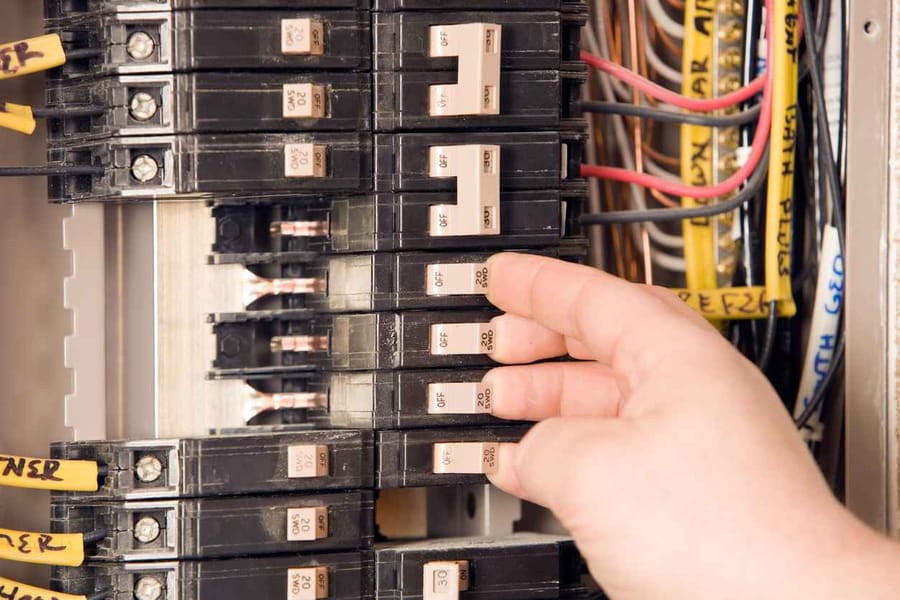
A panel should not smell hot, buzz loudly, feel warm, or show signs of scorching. These symptoms can indicate loose connections, overheating conductors, failing breakers, corrosion, or other safety concerns. Rust or moisture around the electrical panel is also serious because corrosion can interfere with safe breaker operation.
If you notice burning odors, visible damage, or heat at the panel, stop using the affected circuit if you can do so safely and call a licensed electrician. Electrical panels contain energized components that can cause severe injury. This is not a DIY inspection area.
You Are Adding Appliances, EV Charging, or Backup Power
Panel capacity matters whenever you add a major load. EV chargers, backup generators, heat pumps, pool equipment, hot tubs, induction ranges, double ovens, and additions can all change the electrical demand on the home. Even if the panel looks fine, it may not have enough available capacity for the new equipment.
Before you buy equipment or schedule installation, ask for a load calculation. A licensed electrician can compare your current service size, existing circuits, and planned upgrades so you know whether a new circuit, subpanel, service upgrade, or full panel replacement is the safer option.
When a Breaker Replacement May Be Enough
Not every electrical issue requires a complete panel upgrade. If one breaker is worn, damaged, or no longer resetting properly, a replacement may solve the issue. If a single circuit was poorly matched to a new appliance, a dedicated circuit or repair may be enough. If your panel has adequate capacity and is still in good condition, the best recommendation may be smaller than you expect.
Breaker box terminology can be confusing, especially when homeowners compare a breaker replacement, breaker box replacement, and a service upgrade. If your concern is specifically the box or breakers, TLC’s breaker box replacement guide explains when replacement is usually considered.
A full panel upgrade becomes more likely when the existing equipment is outdated, unsafe, undersized, damaged, overloaded, or unable to support planned additions. The evaluation should identify the cause first so you are not paying for unnecessary work or ignoring a larger safety problem.
Understanding Electrical Panel Capacity
Your electrical panel is the distribution point for power throughout the home. Capacity is commonly discussed in amps, but the right panel size depends on more than the number printed on the main breaker. The electrician must consider the home’s calculated load, service equipment, conductor size, utility requirements, available panel spaces, and local code requirements.
100 Amp vs. 200 Amp vs. 400 Amp Service
Older homes may still have 100 amp service. That can be limiting when the home has electric HVAC equipment, multiple large appliances, a workshop, pool equipment, or EV charging needs. Many modern homes use 200 amp service because it provides more room for everyday electrical demand and common upgrades.
Some larger homes or homes with significant future load may need 400 amp service. This is more common when the property includes multiple HVAC systems, a large shop, high capacity EV charging, extensive outdoor equipment, or major additions. A 400 amp upgrade is not automatically better for every home. It should be justified by the load calculation and long term plans.
How Load Calculations Protect Your Home
A load calculation compares the expected electrical demand against the capacity of the service and panel. It accounts for fixed appliances, HVAC equipment, kitchen circuits, laundry equipment, square footage, and planned additions. This calculation protects the home from overloading and helps the electrician recommend the correct path.
Without a proper load calculation, homeowners can end up with a panel that is still undersized, or they can overpay for an upgrade they do not need. TLC uses the evaluation process to determine what the home can safely support now and what it may need for future projects.
Planning for EV Chargers, Generators, Pools, and HVAC Upgrades
Electrical panel planning is especially important before installing high demand equipment. A Level 2 EV charger can require a dedicated circuit with significant capacity. If you are considering one, review TLC’s EV charger installation services and have the panel evaluated before the charger is installed.
Backup power also needs careful planning. A standby generator, transfer switch, and essential circuit strategy must match the home’s service equipment and safety requirements. TLC’s backup generator installation team can help homeowners understand whether the current panel setup supports the project or whether changes are needed first.
Planning an EV charger, generator, pool equipment, or HVAC upgrade? TLC can calculate your home’s available capacity and recommend the safest next step.
Pool and spa equipment, large HVAC replacements, kitchen remodels, and additions should be treated the same way. Plan the electrical capacity before the project is underway. That prevents delays, failed inspections, and expensive rework after equipment is already purchased.
DFW Permit, Inspection, and Code Considerations
Electrical panel work in the DFW area must follow applicable electrical codes, utility requirements, and local permitting rules. Requirements can vary by city, but homeowners should expect professional panel work to involve proper permits and inspection. This protects the homeowner, the property, and the electrician performing the work.
Skipping permits may create problems during resale, insurance claims, or future electrical work. More importantly, unpermitted electrical panel work can leave unsafe conditions hidden behind a finished project. A licensed electrician should explain what permits are needed for your municipality and what the inspection process usually involves.
Why Licensed Installation Matters
Panel upgrades involve service equipment, high voltage components, grounding and bonding requirements, utility coordination, and code compliance. Mistakes can create shock hazards, fire hazards, equipment damage, and inspection failures. Licensed installation matters because the panel is the heart of the home’s electrical system.
A professional electrician does more than swap equipment. The work should include an assessment of the existing service, safe disconnect and reconnect procedures, correct breaker selection, proper labeling, grounding and bonding checks, and testing after installation.
What Homeowners Should Expect During the Permit Process
The exact process depends on the city and utility provider, but a typical panel upgrade may include an evaluation, load calculation, permit application, scheduling, temporary power shutoff, installation, inspection, and utility coordination. Your electrician should set expectations before work begins so you understand timing and access requirements.
Homeowners should also ask whether the project requires related repairs, such as grounding updates, service mast work, meter base changes, panel relocation, or dedicated circuits for new equipment. These items are easier to plan during the evaluation than after installation starts.
What TLC Electrical Checks During a Panel Evaluation
A panel evaluation helps separate urgent safety concerns from routine upgrade planning. TLC Electrical reviews the condition of the panel, the main breaker, branch breakers, labeling, available spaces, visible conductor condition, grounding and bonding, evidence of overheating, and signs of moisture or corrosion.
The evaluation also looks at how the home is used. A homeowner who wants EV charging, a generator, a pool, or an addition may need a different recommendation than a homeowner who only has one tripping circuit. TLC can explain whether the system needs troubleshooting, a breaker repair, a subpanel, a service upgrade, or electrical panel replacement services.
If you are not sure whether your issue is the panel or a circuit, TLC can start with electrical troubleshooting and then recommend the right next step. The goal is to make the home safer and more reliable without guessing.
How to Decide Your Next Step
Start by listing the symptoms you are seeing and the upgrades you are planning. Note which breakers trip, when lights dim, whether any area loses power, and which appliances or systems are running when the issue happens. Also gather information about future projects, including EV charging, HVAC changes, kitchen remodeling, pool equipment, or backup power.
Then schedule a licensed evaluation before adding more load. A professional can confirm whether your home needs a repair, a dedicated circuit, a subpanel, a 200 amp service upgrade, a 400 amp service upgrade, or another solution. That is the safest way to protect the home and avoid spending money in the wrong place.
Ready to understand whether your DFW home needs a panel upgrade? Contact TLC Electrical to schedule a licensed evaluation.
Frequently Asked Questions About Electrical Panel Upgrades
How do I know if my electrical panel is overloaded?
Common signs include frequent breaker trips, lights dimming when appliances start, buzzing near the panel, heat, burning smells, or a lack of capacity for new circuits. A load calculation and panel inspection can confirm whether the panel is overloaded or whether the issue is isolated to a circuit.
Do I need a panel upgrade before installing an EV charger?
Maybe. A Level 2 EV charger can add a significant dedicated load. Some homes can support it with the existing panel, while others need a new circuit, subpanel, load management solution, or service upgrade. Schedule an evaluation before charger installation so the system is designed safely.
Is a 200 amp panel enough for a DFW home?
A 200 amp panel is enough for many DFW homes, but not all. The answer depends on square footage, HVAC equipment, major appliances, EV charging, pool equipment, generator plans, and other loads. Larger homes or homes with major electric upgrades may need a different solution.
Can I upgrade my electrical panel myself?
No. Electrical panel upgrades should be completed by a licensed electrician. The work involves energized service equipment, utility coordination, permits, inspection, grounding and bonding, and code compliance. DIY panel work can create serious shock and fire hazards.
A safer next step is to schedule a professional evaluation. TLC Electrical can inspect the panel, complete a load calculation, explain permit expectations, and recommend the correct upgrade path for your home’s electrical system.