
When the power goes out, life comes to a sudden halt. The Texas weather can be unpredictable, and waiting for the grid to come back online leaves you feeling powerless in more ways than one. It’s not just about the lights; it’s about the food in your refrigerator, the comfort of your air conditioning, and the ability to stay connected. Taking control of your home’s power supply is the best way to ensure life continues without interruption. This guide is designed to walk you through the process of choosing the right generator for your house. We’ll cover everything from sizing to safety, helping you find a reliable solution that brings you peace of mind.
Need Fast & Reliable Electrical Service?
Our licensed electricians are ready to help with repairs, installations, and emergency services. Get expert help you can trust today.
Key Takeaways
- Determine Your Power Needs First: Before you start shopping, decide if you want to power your entire home or just the essentials. This will guide you toward the right type of generator, like a standby or portable model, and help you calculate the correct wattage for your household.
- Prioritize Professional Installation: A generator is not a DIY project, so hiring a licensed electrician is the most important step for safety. Professional installation ensures your system is installed correctly, meets local codes, and prevents dangerous electrical hazards.
- Budget for the Entire System: The final price includes more than just the generator. A realistic budget accounts for the unit itself, the significant cost of professional installation, and a plan for routine maintenance to protect your investment long term.
Which Home Generator Is Right for You?
Choosing a generator feels like a big decision, but it really comes down to what you need when the lights go out. Are you looking for seamless, whole-home power, or just enough juice to keep the refrigerator cold and your phone charged? Your budget, the size of your home, and your tolerance for hands-on effort all play a part. To help you find the perfect fit, let’s walk through the most common types of home generators. Each one offers a different level of power, convenience, and cost, so you can feel confident you’re making the right choice for your family.
Standby Generators
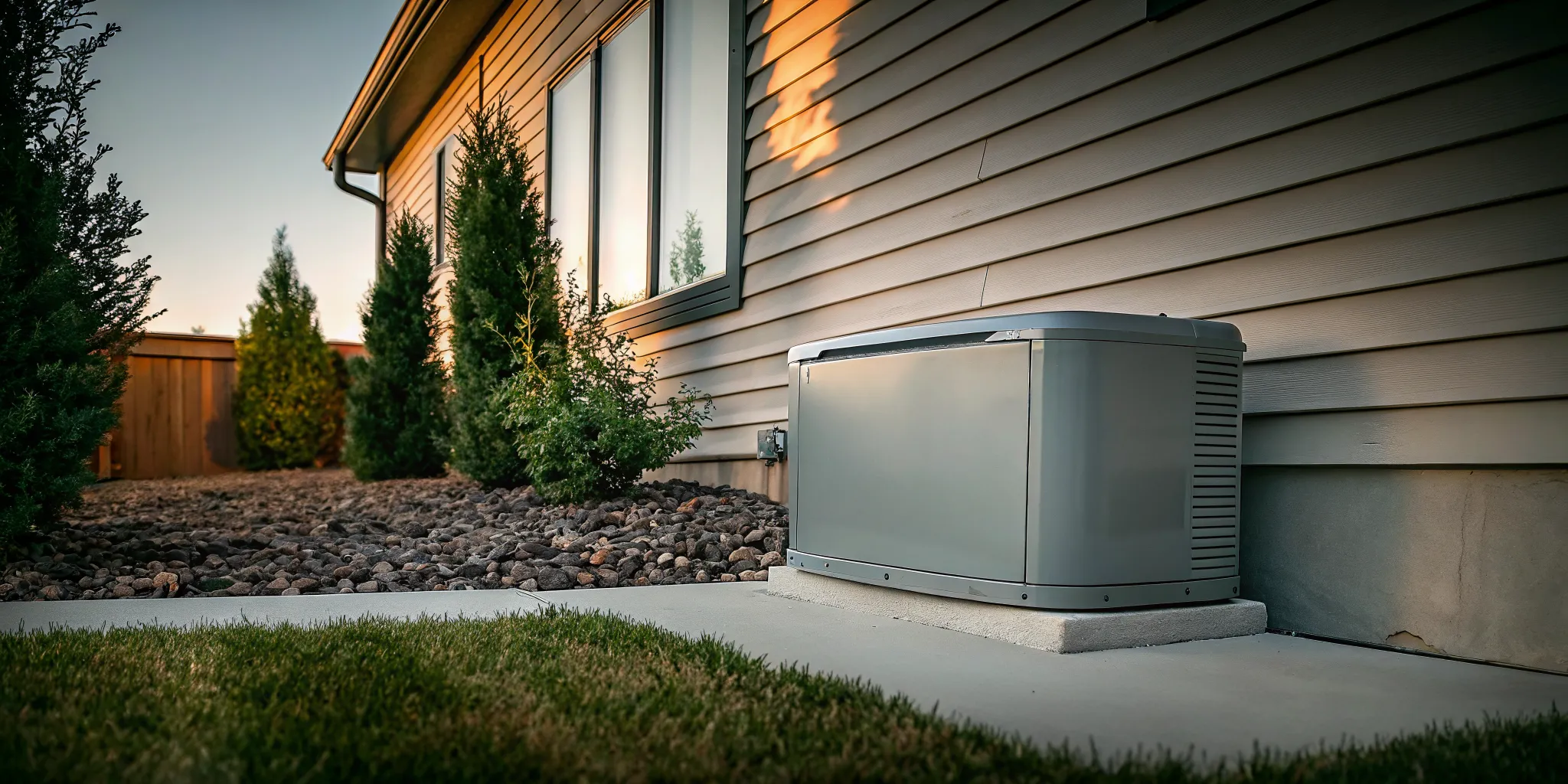
If you want a solution that feels like you never lost power at all, a standby generator is your answer. Also known as whole-house generators, these units are permanently installed outside your home, much like an air conditioning unit. They are connected directly to your home’s electrical system and fuel source, like natural gas or propane. The best part? They turn on automatically the moment an outage is detected, so you don’t have to lift a finger. This means your lights, AC, refrigerator, and medical equipment will keep running without interruption. Because they are powerful and integrated systems, a professional backup generator installation is required to ensure everything is connected safely and correctly.
Portable Generators
For a more budget-friendly and flexible option, a portable generator is a great choice. As the name suggests, you can move these generators where you need them. They are perfect for providing temporary power to a few essential items, like your refrigerator, a space heater, or some lights. Unlike standby models, you have to start them manually and safely connect them to your appliances. Most run on gasoline, so you’ll need to have fuel stored safely on hand. While they require more hands-on effort, they are a practical solution for short-term outages. For safe use, it’s best to have a licensed electrician install a transfer switch, which is one of the many electrical services we provide.
Inverter Generators
If you’re worried about powering sensitive electronics like your laptop, TV, or smartphone, an inverter generator is the way to go. These generators produce “clean” electricity, which means the power is stable and free from the voltage spikes that can damage delicate devices. Another huge advantage is that they are significantly quieter than traditional portable generators, which your neighbors will definitely appreciate. Their quiet operation and clean power make them ideal for both home backup and recreational activities like camping or tailgating. They are typically smaller and more lightweight, making them easy to store and transport when you need them.
Dual-Fuel Generators
For the ultimate in flexibility, consider a dual-fuel generator. These models give you the option to run on two different fuel sources, most commonly gasoline or propane. This is a fantastic feature to have during a widespread power outage when certain fuels might be hard to find. You can use gasoline for its easy availability or switch to propane, which has a much longer shelf life and burns cleaner. Having this choice gives you more control and peace of mind, ensuring you can keep the power on no matter the situation. A professional can help you decide on the best generator type and ensure a safe backup generator installation for your home.
How to Size a Generator for Your Home
Choosing the right size generator is probably the most important decision you’ll make in this process. Think of it like this: you wouldn’t buy a mini-fridge to feed a family of six, and you wouldn’t install an industrial freezer just for a few popsicles. A generator that’s too small won’t be able to power your essentials, leaving you in the dark when you need it most. On the other hand, an oversized generator is inefficient. It will cost you more in fuel and upfront investment than necessary, without providing any real extra benefit during a typical outage.
Finding that “just right” size isn’t about guesswork, though. It’s a straightforward process of looking at your home’s specific needs. By taking a little time to calculate your power requirements and decide which appliances are non-negotiable, you can confidently select a generator that will keep your home running smoothly. This ensures you have reliable power for everything from your morning coffee maker to critical medical equipment. While a professional electrician can perform a detailed load calculation for perfect accuracy, understanding the basics yourself will help you have a more informed conversation. The goal is to find a perfect match that provides peace of mind without breaking the bank.
Calculate Your Power Needs
First, let’s figure out how much power you actually use. A good starting point is to consider your home’s size; for example, a typical 2,000-square-foot home often needs a 20 to 24 kW generator to manage its electrical load during an outage. However, the best way to get an accurate number is to make a list. Walk through your home and write down every appliance and system you’d want to run. This includes the big things like your HVAC system and refrigerator, as well as smaller items like lights and your Wi-Fi router. Once you have your list, you can find the wattage for each item, which is usually printed on a label on the appliance itself.
Decide What to Power: Essentials vs. Non-Essentials
With your list in hand, it’s time to prioritize. Divide your items into two categories: essentials and non-essentials. Essentials are the things you absolutely cannot live without during an outage. This often includes the refrigerator, heating or air conditioning, a well pump if you have one, and any necessary medical equipment. Non-essentials might include the dishwasher, clothes dryer, or a second television. This exercise helps you decide if you need a whole-house standby generator, which can power your entire home, or a smaller unit that just covers the basics. Knowing what you need to keep operational will guide you to the right type and size of backup generator installation.
Understand Generator Capacity
Generator capacity is measured in watts, and there are two numbers to know: starting watts and running watts. Appliances with motors, like refrigerators and air conditioners, require a surge of extra power to start up (starting watts) before settling into their normal power draw (running watts). Your generator must have enough capacity to handle that initial surge. For instance, a large generator with 15,000 watts or more can typically power an entire home. A smaller model might still cover your essentials, but you’ll need to make sure its starting wattage is high enough for your largest appliances. Matching your calculated power needs to the generator’s capacity ensures you’ll have reliable power without any interruptions.
Which Generator Brands Are Most Reliable?
When you’re investing in a generator, you want to know it will work without a hitch during a power outage. Choosing a reliable brand is a huge part of that peace of mind. While many companies make quality generators, a few consistently stand out for their performance, durability, and positive customer feedback. Think of it like buying a car; you want a name you can trust to keep your family safe and comfortable. Brands like Generac, Kohler, Champion, and Briggs & Stratton have built strong reputations by delivering on their promises.
Each one offers something a little different, whether it’s whisper-quiet operation or a seamless automatic startup. Understanding what makes each brand unique will help you find the perfect fit for your home and budget. We’ll explore what sets these top contenders apart so you can feel confident in your choice. But before we get into the specifics of each brand, it’s crucial to talk about the one thing that makes them all work correctly: professional installation. A top-of-the-line generator won’t do you much good if it’s not connected properly and safely to your home’s electrical system.
Why Expert Installation Is Key
Choosing a top-tier brand is the first step, but professional installation is what guarantees your generator will perform safely and effectively. A whole-house generator is a complex system that integrates directly with your home’s electrical panel. According to Consumer Reports, the cost to install a whole-house generator can range from $2,000 to over $20,000, which can sometimes be more than the generator itself. This isn’t just an extra fee; it’s an investment in safety and reliability. A professional backup generator installation ensures all connections are secure, local codes are met, and your system is ready to take over the moment you need it.
Generac
You’ve probably heard of Generac, and for good reason. They are a leader in the residential market, especially for standby models. The main appeal is their automatic operation. As Generac notes, their standby generators automatically turn on when your home loses power, giving you peace of mind. This seamless transition means you might not even notice the grid went down until you see your neighbors’ lights are off. For homeowners who want a hands-off solution that protects their home 24/7, Generac is often the first brand they consider.
Kohler
If the thought of a noisy engine running outside your window is a concern, Kohler is a brand you’ll want to check out. Kohler is known for its quiet operation and high-quality engineering. Their generators are built to provide powerful and reliable performance without being disruptive. According to the company, their products are designed for homeowners who want dependable backup power that doesn’t compromise their home’s quiet environment. You can shop their products to see the different models and features they offer for residential use.
Champion
Champion has earned a strong reputation for building powerful and versatile generators. They are often praised for their performance and reliability across a wide range of models, making them a popular choice for homeowners. Whether you need to power just a few essentials or your entire house, there’s likely a Champion generator that fits your needs. Their products are frequently recognized for their reliability and are a solid option for anyone looking for a dependable and well-rounded machine.
Briggs & Stratton
Briggs & Stratton is another trusted name that has been powering equipment for decades. Their generators are known for being durable and easy to use, which makes them a go-to for many homeowners. If you want a straightforward, hardworking machine from a brand with a long history of reliability, Briggs & Stratton is an excellent choice. Their products are designed to provide dependable power when you need it most, ensuring your home stays up and running during an outage. Their durability and ease of use make them a consistently popular pick.
How Much Does a Home Generator Cost?
Thinking about the cost of a home generator is a lot like planning for any major home improvement. The final price tag isn’t just about the unit itself; it includes installation and future upkeep. Understanding these three key areas will give you a realistic budget and help you see the full value of your investment in home security and comfort. Let’s break down what you can expect to spend to get reliable backup power for your home.
Generator Costs by Type
The first part of your budget is the generator unit. The price here can vary quite a bit, depending on the power output and brand you choose. For a standby generator that can power essential appliances, you might spend between $3,400 and $7,000. If you’re looking for a larger, whole-home unit that can run everything without a hitch, prices can climb significantly higher. Some top-tier residential standby generators can range from around $3,600 to over $46,000 for the most powerful models. The key is to match the generator’s capacity to your specific power needs, which we covered earlier.
Factor in Professional Installation
This is one area where you absolutely should not cut corners. Professional installation is critical for safety and performance, and its cost is a major part of your total investment. Installation fees can range from $2,000 to over $20,000. This wide range is because every home is different. The final cost depends on factors like where the generator will be placed, the complexity of connecting it to your home’s electrical panel, and whether you need a new concrete pad or fuel lines installed. A licensed electrician will ensure everything is up to code, secure the necessary permits, and install the transfer switch correctly. This is why a professional backup generator installation is the only way to go.
Plan for Ongoing Maintenance
Just like your car, a generator needs regular care to make sure it’s ready to work when a power outage hits. Factoring in ongoing maintenance from the start helps protect your investment. Some generators require more upkeep than others, but a good rule of thumb is to plan for regular service. This includes changing the oil, replacing filters, checking the battery, and inspecting fuel lines every few months or after a set number of hours of use. You can handle some of these tasks yourself, but many homeowners opt for a professional maintenance plan to keep their generator in peak condition without the hassle. This proactive approach ensures your generator will be a type of home generator you can always rely on.
Generator Safety: What to Know Before You Install
A generator is a powerful piece of equipment, and keeping your family safe is the top priority. Before you even think about flipping the switch during an outage, it’s essential to understand the safety protocols that come with owning and operating a home generator. From the initial installation to ongoing fuel management, every step requires careful attention. Getting these details right ensures your generator is a reliable source of comfort, not a household hazard. Let’s walk through the most important safety considerations you need to know.
Professional Installation vs. DIY
While the DIY spirit is admirable for many home projects, generator installation isn’t one of them. Installing a whole-house generator is a complex job that involves connecting directly to your home’s electrical system and often a fuel line. A mistake can lead to serious electrical hazards or damage to your home and appliances. A professional backup generator installation ensures everything is up to code and functioning safely. Licensed electricians, and sometimes plumbers, work together to handle the wiring, transfer switch, and fuel source connections, giving you peace of mind that the job is done right.
Understand Transfer Switch Requirements
A transfer switch is the most critical safety component of your generator system. This device safely connects the generator to your home’s electrical panel. Its job is to completely disconnect your house from the utility grid before it switches to generator power. This prevents “backfeeding,” a dangerous situation where electricity from your generator travels back through the utility lines. Backfeeding can cause a fire or seriously injure utility workers trying to restore power. Some standby generators come with a transfer switch, but it must be installed by a qualified electrician to ensure it works correctly and safely.
Prevent Carbon Monoxide Dangers
One of the biggest risks associated with generators is carbon monoxide (CO), an invisible, odorless gas that can be fatal. This is primarily a concern with portable generators, which are sometimes used improperly in enclosed spaces like garages. A major safety advantage of a whole-house standby generator is that it’s permanently installed outside your home, far from windows and doors. This placement effectively eliminates the risk of carbon monoxide poisoning inside your home, protecting your family while keeping the power on. Never run any type of generator indoors or in a partially enclosed area.
Store and Handle Fuel Safely
Your generator is only as reliable as its fuel source. Standby generators typically run on natural gas or propane, which provides a continuous fuel supply without the need for refueling. These lines must be professionally installed to prevent leaks. If you opt for a portable generator, you’ll likely be dealing with gasoline. While gasoline is readily available, it’s also highly flammable and degrades over time. It requires careful storage in approved containers in a well-ventilated area away from your home and any ignition sources. Understanding the types of home generators and their fuel needs is key to operating them safely.
Debunking Common Generator Myths
When it comes to home generators, there’s a lot of information out there, and not all of it is accurate. These myths can make the process of choosing one feel overwhelming, but it doesn’t have to be. Let’s clear up a few common misconceptions so you can make a confident choice for your home. Understanding the facts will help you find the right backup power solution to keep your lights on and your family comfortable, no matter what the Texas weather throws your way.
Myths About Cost and Value
One of the biggest myths is that a generator will completely break the bank. While a whole-house generator is a significant home improvement, there’s a wide range of options. Portable generators offer a more accessible entry point for powering essentials. Standby units, which provide seamless, automatic power, are a larger investment, with installation being a key part of the total price. It’s helpful to see it less as an expense and more as an investment in your home’s security. A professional backup generator installation ensures your system is safe, reliable, and ready for any outage.
Myths About Fuel Sources
Many people believe you’ll be stuck storing and handling cans of gasoline. While that’s true for some portable models, standby generators offer far more convenient solutions. Many can connect directly to your home’s natural gas line, giving you a continuous fuel supply without you having to lift a finger. Others run on large, refillable propane tanks. Some modern generator models even have dual-fuel capabilities for added flexibility. You have more options than you might think, and most of them eliminate the need for last-minute trips to the gas station during a storm.
Myths About Maintenance and Use
Another common misconception is that generators are complicated and require constant attention. The truth is, modern standby generators are designed to be incredibly low-maintenance. Many perform automatic weekly self-tests and will even alert you when it’s time for service, taking all the guesswork out of upkeep. While all generators need some routine care to stay in top shape, the idea that they are a constant chore is outdated. Different types of home generators have varying needs, but a professionally installed system is built for reliability, not to give you another weekend project.
Myths About Sizing and Power Needs
You don’t necessarily need a massive, industrial-sized unit to power your home. Generator sizing isn’t about getting the biggest machine available; it’s about matching the power output to your actual needs. Do you want to run just the essentials, like the refrigerator and a few lights? Or do you want to power your entire home, including the AC, without interruption? A licensed electrician can help you determine the right size generator for your lifestyle. For example, a 20-24 kW generator can often handle the demands of an average 2,000-square-foot home, ensuring you have efficient and dependable power when you need it most.
Related Articles
- Backup Generator Installation – TLC Electrical
- Panel Upgrades: Why They Matter Today – TLC Electrical
- Whole House Surge Protection – TLC Electrical
Need Fast & Reliable Electrical Service?
Our licensed electricians are ready to help with repairs, installations, and emergency services. Get expert help you can trust today.
Frequently Asked Questions
What’s the main difference between a standby and a portable generator? The biggest difference comes down to automation and power. A standby generator is a permanent solution that turns on automatically the moment you lose power, running your entire home or essential circuits seamlessly. A portable generator is a manual, more budget-friendly option that you have to start and connect yourself to power just a few items, like your refrigerator and some lights.
How do I know what size generator I actually need? The simplest way to start is by deciding what you absolutely cannot live without during an outage. Make a list of your non-negotiable appliances, such as your refrigerator, HVAC system, or medical equipment. A professional electrician can use this list to calculate your specific power requirements and recommend a generator that fits your home perfectly, so you don’t end up with a unit that is too weak or waste money on one that is too powerful.
Why is professional installation so important if I’m handy? While DIY skills are great for many projects, installing a generator is a job for a licensed professional. It involves complex wiring that connects directly to your home’s electrical panel and, for many models, a natural gas or propane line. An incorrect connection can create a serious fire hazard, damage your appliances, or even endanger utility workers. Professional installation guarantees your system is safe, compliant with local codes, and ready to perform reliably.
How long can I expect a generator to run during a power outage? The runtime really depends on the type of generator and its fuel source. A standby generator connected to your home’s natural gas line can run for as long as the utility is supplying gas. If it runs on propane, it will operate until the tank is empty. Portable generators, which typically use gasoline, are limited by the size of their fuel tank and will need to be safely refueled every several hours.
Is a generator a good investment for my home? For many homeowners, a generator is an excellent investment in security and peace of mind. Beyond the immediate comfort of having power during an outage, a standby generator can protect your home from issues like spoiled food or frozen pipes. It also adds a significant layer of safety and convenience that can be a very attractive feature to future buyers, potentially increasing your home’s overall value.