
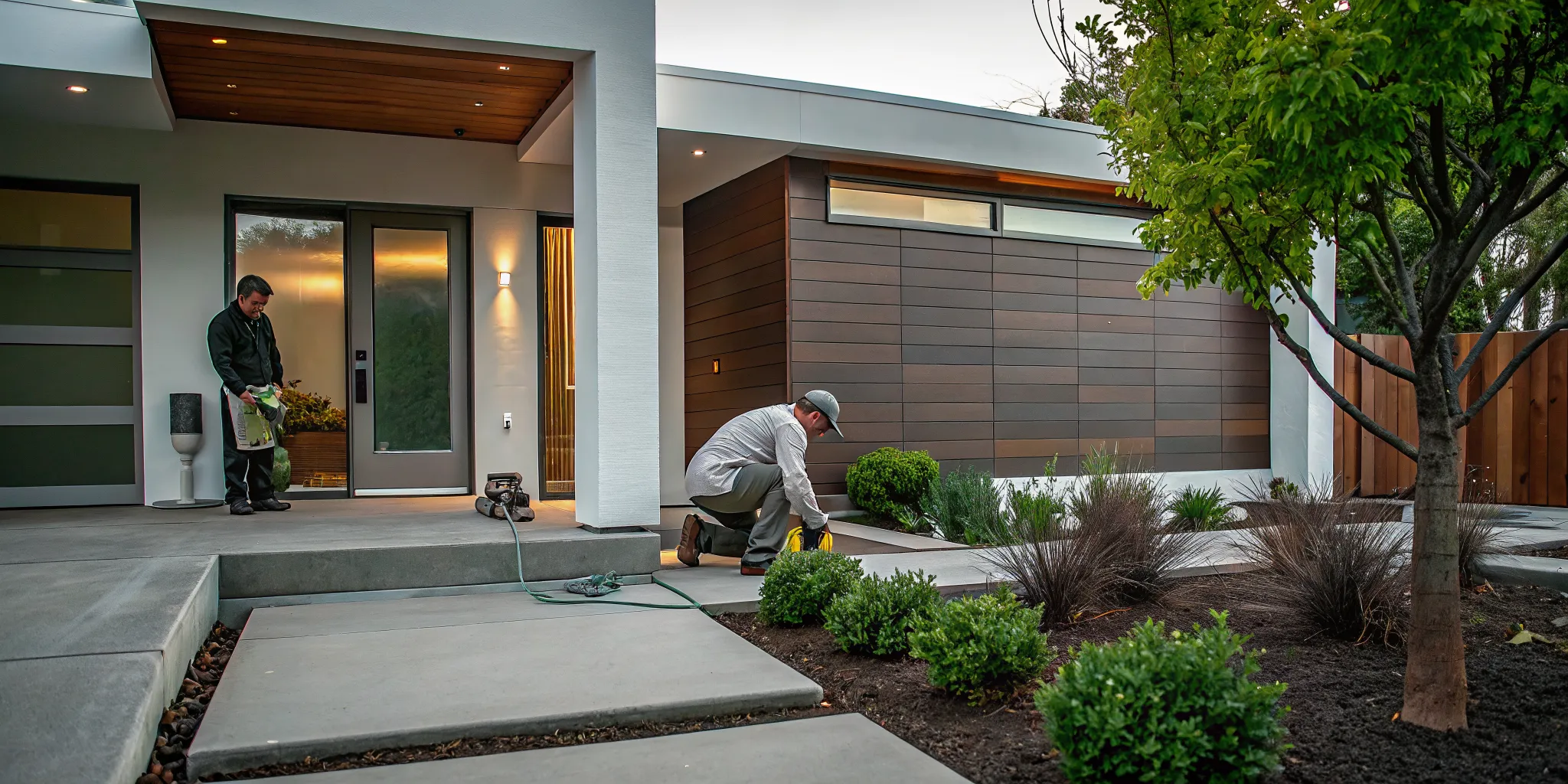
There’s a unique peace of mind that comes with pulling into your driveway after dark and being greeted by a warm, well-lit home. Dark corners and shadowy pathways can feel unsettling, but strategic lighting turns that uncertainty into security. It’s one of the most effective ways to deter unwanted visitors while ensuring your family and guests can safely find their way to the front door. A professional outdoor lighting installation is a fundamental security upgrade, not just a cosmetic one. In this article, we’ll cover the different types of security and landscape lighting, how to plan a layout that eliminates dark spots, and what it takes to get the job done safely and effectively.
Need Fast & Reliable Electrical Service?
Our licensed electricians are ready to help with repairs, installations, and emergency services. Get expert help you can trust today.
Key Takeaways
- Define Your Lighting Goals First: Before choosing any fixtures, walk your property to decide what you need to light for safety, what you want to highlight for style, and the overall mood you want to create. A simple sketch of your plan will prevent overlighting and ensure every light serves a purpose.
- Insist on Outdoor-Rated Equipment: Your lighting must withstand the elements, so only use fixtures, wiring, and connectors specifically rated for outdoor use (look for IP65 or higher). Using indoor products outside is a serious safety risk that can lead to electrical shorts or fires.
- Hire a Pro for Hardwired Systems: While solar lights are a great DIY project, any lighting that connects to your home’s main power should be installed by a licensed electrician. This ensures the job is done safely, meets all electrical codes, and protects your investment for the long term.
What Are the Main Types of Outdoor Lighting?
Choosing the right outdoor lighting can completely transform your home’s exterior, turning a dark yard into a warm, inviting, and safe space. But with so many options out there, it’s easy to feel a little lost. The key is to think about what you want your lighting to do. Are you looking to light up a pathway for safety, deter potential intruders, or show off your beautiful garden? Different lights are designed for different jobs. Understanding the main types will help you create a lighting plan that’s both beautiful and functional, making your home shine after the sun goes down. Let’s walk through the most common options you’ll find.
Path and Landscape Lighting
This is all about creating ambiance while guiding you and your guests safely around your property. Path lights are typically placed along walkways, driveways, and garden beds to illuminate the ground, preventing trips and falls in the dark. Beyond paths, landscape lighting includes spotlights for highlighting a favorite tree or uplights that add drama to a garden wall. It’s a fantastic way to bring your outdoor spaces to life at night. If you have a pool or hot tub, proper lighting is essential for safety and can create a stunning resort-like feel for evening swims. TLC Electrical offers specialized pool and spa services to ensure your waterside lighting is both beautiful and up to code.
Security and Flood Lighting
Your peace of mind is priceless, and that’s where security lighting comes in. This category is less about style and more about function. Floodlights are the heavy hitters here; they cast a wide, bright beam of light over large areas like your backyard or driveway. Often equipped with motion sensors, they are a powerful deterrent for unwanted visitors, both human and animal. Placing security lights near entry points like doors and windows adds an extra layer of protection, ensuring there are no dark corners for anyone to hide. It’s a simple and effective way to make your home feel more secure for your family.
Accent and Architectural Lighting
If you want to add that “wow” factor to your home’s exterior, accent and architectural lighting is the way to go. This type of lighting is used to draw attention to the specific features that make your home unique. You can use uplighting to cast a dramatic glow on a tall tree or textured stone facade, or use downlighting from the eaves to create a soft, welcoming wash of light over your garage doors or entryway. Accent lighting is your chance to play artist and highlight the best parts of your home’s design, adding depth, dimension, and serious curb appeal.
Solar vs. Hardwired Options
When it comes to powering your lights, you have two main choices: solar or hardwired. Solar-powered lights are popular because they’re easy to install and don’t add to your electricity bill. You just stick them in the ground, and they’re ready to go. However, they depend on sunlight, so their performance can be inconsistent on cloudy days, and they often aren’t as bright as their hardwired counterparts. For reliable, powerful illumination, especially for security and primary landscape lighting, hardwired systems are the superior choice. They connect directly to your home’s power, providing consistent brightness and performance you can count on. A professional can ensure all wiring is safely installed, giving you a durable and dependable lighting system. These types of installations are core electrical services that guarantee safety and quality.
How to Plan Your Outdoor Lighting Project
A great outdoor lighting design doesn’t happen by accident. Before you buy a single fixture or dig any trenches, taking the time to create a solid plan will save you from headaches and extra costs later on. A thoughtful plan ensures your lighting is not only beautiful but also safe, functional, and perfectly suited to your home. It’s your roadmap to transforming your outdoor space after the sun goes down.
Think of this planning phase as three simple steps. First, you’ll figure out what you actually need to light up and why. Next, you’ll map out where everything will go to achieve the right look while keeping safety in mind. Finally, you’ll get into the technical side of things by figuring out your power needs. Walking through these stages will help you create a cohesive design that enhances your home’s curb appeal and makes your yard more enjoyable. While some parts are straightforward, remember that our team is always here to help with any electrical services you might need to bring your vision to life safely.
Assess Your Property’s Lighting Needs
First, let’s figure out what you want your lighting to accomplish. The best way to start is by walking around your property at dusk and taking notes. Where are the dark spots that feel unsafe? Which areas do you want to use for entertaining? Are there any beautiful trees or architectural details you’d like to show off?
Your lighting will generally fall into three categories. Task lighting is practical; it illuminates pathways, stairs, and entryways so you can see where you’re going. Ambient lighting creates a general, soft glow for spaces like patios or decks. Accent lighting is the fun part, used to highlight specific features like a stone wall or a favorite plant. Decide on the mood you want to create. Do you prefer dramatic uplighting against a wall or a subtle, natural effect that mimics moonlight?
Create a Layout for Safety and Style
Once you know what you want to light, it’s time to decide where each fixture will go. You don’t need a professional blueprint; a simple sketch of your yard will do just fine. Mark the locations of key features like your house, driveway, trees, and garden beds. Then, start placing your lights on the map. This visual guide helps you see how the different lighted areas will connect and ensures you don’t leave any awkward dark spots.
As you plan your layout, think about safety. All your fixtures, wires, and connectors must be rated for outdoor use to withstand rain, heat, and cold. Look for products with an IP65 rating or higher, which means they are protected from water and dust. This is especially critical for lighting near pools or spas, which have specific safety codes. Planning the wiring routes now also helps you figure out how to hide them for a clean, professional look. Our experts in pool and spa services can ensure any poolside lighting is installed to the highest safety standards.
Determine Your Power Requirements
Now for the technical part: making sure your lights have enough power. Most landscape lighting systems are low-voltage, which means they use a transformer to convert your home’s standard 120-volt electricity to a safer 12 or 24 volts. To choose the right transformer, you’ll need to do some simple math. Add up the wattage of all the light bulbs you plan to use. For example, if you have ten lights that each use 10 watts, you’ll need a transformer that can handle at least 100 watts. It’s always a good idea to choose a transformer with a little extra capacity to allow for future additions.
You also need to consider the length of your wire runs. The farther the electricity has to travel, the more the voltage can drop, which might cause lights at the end of the line to appear dim. Using a thicker gauge wire for longer distances can prevent this. This is where planning can get tricky, and a professional can help ensure your system has consistent, reliable power. Proper power management is key, whether it’s for your landscape lights or a backup generator installation to keep your whole home running.
What to Look for in Outdoor Light Fixtures
Once you have a plan, it’s time for the fun part: choosing your fixtures. The right lights will not only look great but also stand up to the elements and operate efficiently for years. It’s about finding that perfect balance between form and function. Think about the materials, the technology inside the bulb, and how the fixture’s design complements your home’s unique character. Making smart choices here ensures your investment is both beautiful and long-lasting.
Brightness and Energy Efficiency
When it comes to outdoor lighting, LED fixtures are the clear winner. They use significantly less energy than traditional bulbs, which is great for your electricity bill, and they last for years, meaning you won’t be climbing a ladder to change bulbs all the time. For areas like walkways or driveways, consider adding motion sensors to your lights. They provide security by turning on when movement is detected and save energy by staying off when not needed. Choosing energy-efficient options is a simple way to make your home a little greener while keeping your outdoor spaces safely illuminated. These small upgrades are part of a complete approach to modern electrical services.
Weather Resistance and Durability
Your outdoor lights need to be tough enough to handle everything from scorching Texas sun to sudden downpours. Look for fixtures with a high IP (Ingress Protection) rating, like IP65 or higher. This number tells you how well the fixture is sealed against dust and water. You should also make sure all wiring and transformers are specifically rated for outdoor, underground use. This is especially critical for lighting near pools or water features, where safety is the top priority. Using durable, weather-resistant materials prevents rust, corrosion, and electrical hazards, ensuring your lighting system remains safe and functional. Proper installation for pool and spa services always includes these considerations.
Style to Match Your Home’s Design
The best outdoor lighting feels like a natural extension of your home’s architecture. Whether your style is modern, traditional, or rustic, there are fixtures to match. Think about the role you want each light to play. Do you need bright task lighting over your patio grill, soft ambient lighting for your seating area, or dramatic accent lighting to highlight a beautiful tree? The finish on the fixture, from matte black to brushed nickel, can also tie the look together. Your lighting should enhance your home’s best features and create a welcoming atmosphere that reflects your personal style.
Should You DIY or Hire a Professional?
The satisfaction of a completed DIY project is hard to beat, and it can be tempting to tackle your outdoor lighting installation yourself. While some smaller projects are perfect for a weekend afternoon, anything involving your home’s main electrical system is a job best left to an expert. The decision really comes down to the type of lighting you’re installing and your comfort level with electrical work. Making the right choice isn’t just about convenience; it’s about ensuring the safety of your home and family. Before you start, it’s important to honestly assess the scope of your project and know when to call for backup.
When a DIY Installation Makes Sense
You can absolutely handle some outdoor lighting projects on your own. If your plan involves simple, low-voltage systems that don’t connect to your house’s main power, you’re likely in the clear. Think solar-powered path lights you just stake into the ground or battery-operated sconces. These are designed for easy, tool-free installation and pose minimal electrical risk. Plug-in string lights can also be a DIY job, as long as you’re using an outdoor-rated product and plugging it into a GFCI (ground-fault circuit interrupter) outlet for safety. If you’re just sticking a few solar-powered lanterns in the garden, you’re good to go.
Understand the Safety Risks and Electrical Codes
When you move from solar-powered lights to a hardwired system, the game changes completely. Outdoor electrical work is exposed to rain, humidity, and extreme temperatures, and a poor installation can create serious fire or electric shock hazards. Unlike indoor wiring, outdoor systems require special waterproof fixtures, burial-grade cables, and sealed connections to prevent moisture from getting in. Local electrical codes also have strict rules for outdoor wiring to ensure safety. Mistakes here aren’t just cosmetic; they can be dangerous. It’s always best to hire a professional for outdoor lights that connect to your home’s main power supply.
Why Hiring a Professional Is a Smart Investment
Hiring an expert is more than just a safety precaution; it’s an investment in quality and peace of mind. A professional installation often uses higher-quality, waterproof fixtures that last longer and perform better, saving you from future repairs and replacements. A licensed electrician will map out a strategic wiring plan, use the correct outdoor-rated materials, and ensure every connection is secure and weatherproof. They also guarantee that the entire system complies with local codes, so you know the job was done right. This expertise protects your investment and ensures your beautiful new lighting is safe and reliable for years to come.
The Professional Installation Process, Step-by-Step
Hiring a licensed electrician means you’re not just getting lights installed; you’re getting a carefully managed project from start to finish. A professional follows a proven process to ensure your outdoor lighting is safe, durable, and looks fantastic. Here’s a look at what you can expect when you work with an expert for your home’s electrical services.
Preparing the Site and Planning the Wiring
The first thing a professional does is create a solid plan. This involves walking your property with you to map out exactly what you want to illuminate, from garden paths to the architectural details of your home. We’ll discuss the mood you want to create, whether it’s a soft, welcoming glow or bright, functional light. A key part of this stage is strategically planning the transformer location and how timers or smart controls will be integrated. This detailed planning is the foundation for a successful project and ensures the final result perfectly matches your vision without any surprises. It’s about being intentional with every single placement for maximum impact.
Running Electrical Wires Safely
Once the plan is set, it’s time to handle the wiring, and this is where a professional’s expertise really shines. We follow strict safety codes, which includes burying wires at a specific depth to protect them from landscaping activities like mowing or digging. We also exclusively use high-quality, outdoor-rated wiring and fixtures designed to withstand the elements. Everything must be waterproof (look for an IP65 rating or higher) to prevent short circuits and ensure your system lasts for years. This step is all about building a safe and resilient electrical system that you never have to worry about, much like the specialized work required for pool and spa services.
Installing Fixtures and Testing the System
With the wiring in place, we move on to installing the fixtures. Each light is securely positioned and carefully aimed to create the desired lighting effect. But the job isn’t done once the lights are in the ground. The final, and arguably most important, step is thorough testing. We power up the entire system to check that every light is working correctly, the brightness is consistent across all fixtures, and there is no flickering. All connections are inspected to confirm they are tight and sealed against moisture. If your system includes smart features, we’ll test those too. This final quality check ensures your new outdoor lighting is completely reliable and ready for you to enjoy.
How Much Does Outdoor Lighting Installation Cost?
Figuring out a budget for outdoor lighting is a great first step. For a professional installation, you can generally expect the cost to range from $2,000 to $4,500, with the average project landing around $3,250. On a smaller scale, you might pay between $100 and $200 for each light fixture a professional installs. While it’s an investment, the right lighting does more than just make your home look beautiful; it adds a significant layer of safety and security to your property. Think of it as an upgrade that enhances both your curb appeal and your peace of mind every time you come home after dark.
Budget-Friendly Lighting Options
If you’re working with a tighter budget or just want to start small, there are plenty of wallet-friendly ways to brighten your outdoor space. A DIY approach can definitely save you money, especially if you stick to solar-powered or battery-operated lights. These options are incredibly user-friendly and don’t require any complex wiring, so you can safely install them yourself. You can find simple solar path lights for a low price, or invest in a more extensive set of 10 high-quality solar lights for up to $1,500. This is a fantastic way to get the feel for outdoor lighting without committing to a larger, hardwired system.
What Factors Affect the Final Price?
The final price tag on your outdoor lighting project can vary based on a few key things. The biggest factors include the type and number of light fixtures you choose, as well as the overall complexity of the job. For instance, installing a few simple path lights will cost less than setting up intricate architectural lighting that requires extensive wiring. The accessibility of the installation site also plays a role; if an area is difficult to reach, it may require more labor. Your location and local labor costs will also influence the total, so it’s always a good idea to get a detailed quote upfront.
Cost Breakdown: DIY vs. Professional
While a DIY project with solar lights can save you money on labor, hiring a professional is the smartest and safest choice for any lights that connect to your home’s main power supply. Outdoor wiring is more complicated than it looks, as it needs to stand up to weather and moisture to prevent serious safety hazards. A licensed electrician will ensure everything is installed correctly and up to code. While electricians typically charge between $50 and $100 per hour, that cost covers their expertise, safety, and the assurance that the job is done right. Investing in professional electrical services protects your home and family, giving you a beautiful and secure lighting system that lasts.
Common Installation Mistakes to Avoid
Installing outdoor lighting can completely transform your home’s exterior, but a few common missteps can turn a dream project into a headache. Rushing the process or cutting corners often leads to disappointing results and, more importantly, potential safety hazards. By being aware of these frequent mistakes, you can make sure your investment in outdoor lighting pays off with beautiful, functional, and safe illumination. Let’s walk through some of the most common installation errors to sidestep so your project shines for all the right reasons.
Poor Fixture Placement and Overlighting
It’s easy to get excited and buy fixtures before you have a solid plan, but this is a classic mistake. Without mapping out your lighting design first, you might end up with spotlights that create harsh glare or path lights that don’t properly illuminate the walkway. Another common issue is overlighting, which can make your yard feel like a stadium instead of a relaxing retreat. The goal is to create ambiance and highlight features, not to eliminate every shadow. A thoughtful lighting layout ensures every fixture has a purpose, saving you from wasted energy and a less-than-ideal look.
Using Indoor-Rated Equipment Outdoors
This is a big one, and it’s all about safety. Light fixtures are rated for specific environments, and using an indoor-rated lamp or extension cord outside is asking for trouble. These products aren’t built to handle moisture, humidity, or temperature swings. Rain and sprinklers can cause them to short-circuit, leading to electrical shocks or fire hazards. Always check for a “UL Wet Location” or “UL Damp Location” rating on any fixture or wiring you plan to use outdoors. This label means the product has been tested and is designed to withstand the elements, ensuring your system is both durable and safe. Proper electrical services always involve using the right equipment for the job.
Improper Weatherproofing and Wiring
Even if you use the right outdoor-rated fixtures, the installation itself needs to be completely weatherproof. All electrical connections must be sealed in waterproof junction boxes, and any buried cables should be rated for direct burial and placed at the proper depth to avoid being damaged by digging or lawn equipment. A tiny gap in a seal can allow water to seep in over time, causing corrosion, flickering lights, or complete system failure. This is where professional expertise really matters. An experienced electrician ensures every connection is secure and protected from the Dallas-Fort Worth weather, keeping your lighting system running safely for years. This is especially critical for complex jobs like pool and spa services.
How to Maintain Your Outdoor Lighting System
Once your outdoor lighting is installed, a little upkeep will ensure it performs beautifully and safely for years to come. Think of it as protecting your investment. Regular maintenance keeps your system running efficiently, prevents costly repairs down the road, and ensures your home’s exterior is always shown in its best light. By following a simple routine, you can keep your landscape, path, and security lights shining bright through every season. Most of these tasks are simple enough to do yourself, but it’s also important to know when to call in a professional for issues that go beyond a simple cleaning or bulb change.
Set a Regular Cleaning and Inspection Schedule
At least twice a year, set aside time to give your outdoor lighting fixtures some attention. Dirt, pollen, and debris can build up on lenses, dimming their brightness and making your lighting look dull. Simply wipe down the fixtures and bulbs with a soft cloth and gentle soap. While you’re cleaning, perform a quick inspection. Look for any exposed or frayed wiring, loose connections, or cracked casings. If you spot any signs of wear or damage, it’s best to address them immediately to prevent safety hazards. For any wiring concerns, it’s always safest to contact a licensed electrician for professional electrical services.
Replace Bulbs and Plan for Upgrades
A burnt-out bulb is more than just a dark spot in your yard; it can compromise your home’s safety and curb appeal. Replace any non-working bulbs as soon as you notice them. If you find yourself replacing bulbs frequently, it might be time for an upgrade. Switching to modern LED fixtures is a smart move. Not only do LEDs last significantly longer than traditional bulbs, but they also use a fraction of the energy, which can lower your electricity bills. Planning for this upgrade can save you time and money in the long run, reducing how often you need to climb a ladder to change a bulb.
Complete Seasonal Maintenance Checks
Your outdoor lighting works hard through Texas heat, thunderstorms, and chilly winter nights. That’s why seasonal check-ins are so important. After a major storm, walk your property to ensure all fixtures are still securely mounted and haven’t been damaged by wind or debris. Check that your timers and motion sensors are working correctly, and adjust timers as the daylight hours change throughout the year. You should also clear away any overgrown foliage that might be blocking the light or touching the fixtures. If you find that a fixture has stopped working and it’s not the bulb, our team at TLC Electrical can help diagnose and fix the problem safely.
Related Articles
- Benefits of Switching to LED Lighting
- Landscape Lighting
- Lighting Installation
- LED Lighting
- Pool & Spa Lights
Need Fast & Reliable Electrical Service?
Our licensed electricians are ready to help with repairs, installations, and emergency services. Get expert help you can trust today.
Frequently Asked Questions
What’s the most important type of outdoor lighting to start with if I’m on a budget? If you’re just starting out, I always recommend focusing on safety and function first. Begin with path lighting to illuminate your main walkways, stairs, and the entryway to your front door. This ensures you and your guests can move around safely after dark. After that, consider adding a motion-activated security light near your garage or back door for extra peace of mind. Once those practical needs are met, you can have fun adding accent lights to highlight your favorite parts of your yard as your budget allows.
You mentioned low-voltage systems. Are they really that much safer? Yes, and it’s the main reason they are the standard for landscape lighting. A low-voltage system uses a transformer to convert your home’s standard 120-volt electricity into a much lower 12 or 24 volts. This significantly reduces the risk of serious electric shock, which is a critical consideration for any wiring that’s exposed to outdoor elements like rain and sprinklers. While the installation still requires care, the lower voltage makes the entire system inherently safer for your family and pets.
How can I make my lighting look stylish and not like an airport runway? This is a common concern, and the secret is usually “less is more.” To avoid that overly bright, sterile look, focus on creating pools of soft, warm light instead of trying to eliminate every shadow. Use techniques like uplighting a tree or washing a textured wall with a gentle glow. This indirect approach creates ambiance and depth. Also, pay attention to the fixture placement; aim lights away from windows and seating areas to prevent uncomfortable glare for you or your neighbors.
Are LED fixtures really worth the higher upfront cost? Absolutely. Think of it as a long-term investment that pays you back over time. While an LED fixture might cost more initially, it saves you money in two significant ways. First, LEDs use a fraction of the electricity compared to older bulbs, which will noticeably lower your monthly energy bill. Second, they have an incredibly long lifespan, often lasting for years. This means you won’t be spending money on replacement bulbs or time on a ladder changing them.
What should I have ready before I call an electrician for a quote? Coming prepared will help you get the most accurate estimate. Before you call, have a general idea of what you want to achieve. Know which areas are your priority, for example, the front walkway, the back patio, or specific trees. It’s also helpful to think about your main goal, whether it’s improving security, creating a space for entertaining, or just enhancing your home’s curb appeal. Having a few photos of your property on hand can also be incredibly useful during the conversation.