
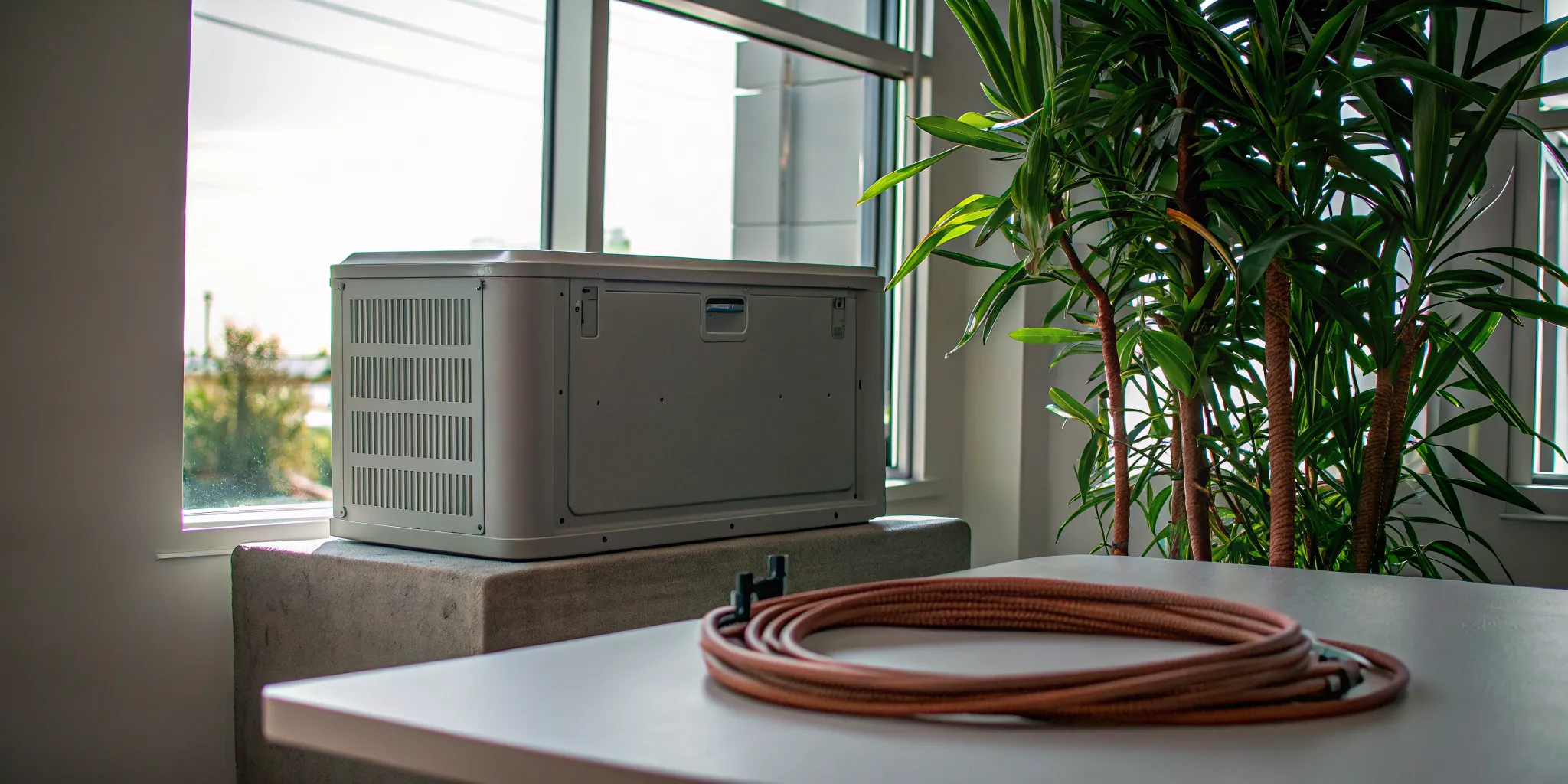
For many Dallas-Fort Worth homeowners, a generator is shifting from a luxury item to a household necessity. After experiencing intense summer heatwaves and unexpected winter freezes, the ability to maintain power is crucial. If you’re considering this upgrade, you’re likely weighing the benefits against the investment. The generator installation cost can seem high at first glance, but it’s important to understand what you’re paying for. This article breaks down every component of the price, from the equipment and fuel type to local permit fees and labor, giving you the clarity needed to decide if this investment is right for your family.
Need Fast & Reliable Electrical Service?
Our licensed electricians are ready to help with repairs, installations, and emergency services. Get expert help you can trust today.
Key Takeaways
- Plan for a Price Range, Not a Flat Fee: A complete whole-home generator installation is a custom project, typically costing between $8,000 and $16,000. This total price includes the generator unit, transfer switch, permits, and all professional labor.
- Understand What Shapes Your Final Quote: The generator’s power capacity, your home’s existing gas and electrical systems, and the necessary site preparation are the main variables that will influence the total cost of your project.
- Your Installer is Your Most Important Partner: The safety and reliability of your generator depend entirely on the quality of the installation. Always choose a licensed and insured professional who can guide you on the right model and handle the entire process correctly.
How Much Does a Whole-Home Generator Cost?
Thinking about a whole-home generator is a big step toward securing your family’s comfort and safety, especially with the unpredictable Texas weather. When the power goes out, a generator keeps your lights on, your AC running, and your life uninterrupted. But the first question on everyone’s mind is usually about the price. The final cost depends on several things, from the size of your home to the type of generator you choose. A professional backup generator installation is an investment in peace of mind, so let’s break down what you can expect.
The Average Price Tag
So, what’s the bottom line? Generally, you can expect to pay between $7,000 and $25,000 for a whole-home generator, including full installation. For most homes, the total cost for a quality standby generator lands somewhere in the $8,000 to $16,000 range. This is a wide spectrum because every home and installation is unique. Factors like the generator’s power capacity, the fuel type it uses, and the complexity of the electrical work all play a significant role. Think of it less as a single price tag and more as a customized solution for your home’s specific needs.
Standby vs. Portable Generators
It’s helpful to understand the difference between a standby generator and a portable one. Portable generators are much less expensive, usually costing between $500 and $2,500. However, they only power a few essential items and require you to manually start them and run extension cords. A whole-home standby generator is a permanent solution. It’s installed outside your house and wired directly into your electrical panel. When it senses a power outage, it automatically kicks on, restoring power to your entire home within seconds. This convenience and reliability are why a standby unit is a more significant investment.
How Power Output Affects Price
The size of the generator, measured in kilowatts (kW), is one of the biggest factors in its price. The more power you need, the larger and more expensive the unit will be. A smaller home around 1,500 square feet might only need a 13 to 16 kW generator to power essentials and a few large appliances. For a larger home of 3,000 to 5,000 square feet, you’ll likely need a 22 to 25 kW unit to comfortably run everything, including multiple air conditioning units. An experienced electrician can perform a load calculation to determine the perfect size for your household’s energy consumption.
Factoring in Fuel Type
Your generator needs fuel to run, and the type you choose affects the upfront cost. Natural gas generators are often a convenient choice because they can connect directly to your home’s existing gas line, eliminating the need for refueling. The units themselves typically cost between $3,000 and $6,000. Liquid propane is another popular option, with units priced similarly from $2,000 to $6,000, but you’ll also need a large storage tank on your property. Diesel generators are highly efficient but tend to be the most expensive, with units ranging from $5,000 to $18,000.
What Factors Influence the Final Cost?
The price of the generator itself is just one piece of the puzzle. The final cost of a whole-home generator installation depends on several factors specific to your property and needs. Thinking through these elements ahead of time will help you build a clear budget and ensure there are no surprises along the way. Here’s a look at the key components that shape your total investment.
Early 50 amp generator installation planning can also clarify whether a portable generator connection, manual transfer equipment, or a standby system is the better fit for your budget.
Generator Size and Capacity
The generator’s power output, measured in kilowatts (kW), is a major cost factor. A larger generator that can power your entire home, including multiple air conditioning units, will cost more than a smaller one designed to run only essential circuits. To find the right fit, think about what you absolutely need during an outage: the refrigerator, lights, and medical equipment are common priorities. A professional can perform a load calculation to determine the precise size you need for a reliable backup generator installation. This ensures you don’t overpay for capacity you won’t use or end up with a generator that can’t handle the load.
Your Fuel Source and Gas Lines
Most standby generators run on natural gas or liquid propane. If you have an existing natural gas line, your installer will need to make sure your meter and supply lines can handle the generator’s demand. In some cases, the utility company may need to install a larger meter, or your contractor may need to run a new, larger gas line from the meter to the generator. These upgrades are crucial for the generator to function correctly and will be factored into the installation quote. If you opt for propane, you’ll also need to account for the cost of a storage tank and regular fuel deliveries.
Electrical Panel and Transfer Switch Needs
A critical component of your generator system is the automatic transfer switch (ATS). This device automatically detects a power outage, disconnects your home from the grid, and switches your power source to the generator. The cost of the ATS and its installation is a key part of the total price. Additionally, your home’s main electrical panel must be able to support the generator. Older homes or panels that are already full may require an upgrade to safely accommodate the new system. Our team can handle any necessary electrical services to ensure your setup is safe and up to code.
Site Prep and Foundation
Your generator needs a solid, level place to sit. This usually involves installing a concrete slab or a specialized synthetic pad. The location is also important, as local codes dictate how far the unit must be from doors, windows, vents, and property lines to ensure safety and proper ventilation. Site preparation costs include the labor and materials for creating this foundation. If your chosen spot is on uneven ground or requires extra work to clear, this can also add to the overall project cost. A professional installer will assess your property to find the best and most cost-effective location.
Permits, Inspections, and Codes
Installing a whole-home generator is a significant electrical and plumbing project, which means it requires permits from your local city or county. These permits ensure the work is performed safely and meets all building codes. After the installation is complete, an inspector will visit to approve the work. While a professional installer like TLC Electrical will handle the entire permitting and inspection process for you, the fees associated with these steps are a standard part of the total project cost. This is a non-negotiable step that protects you and your home.
DFW Labor Rates and Demand
Labor is a significant portion of the installation cost and includes the expertise of licensed electricians and, in some cases, plumbers. In the Dallas-Fort Worth area, rates reflect the high demand for skilled, qualified professionals. While it can be tempting to look for the lowest bidder, remember that you are paying for safety, experience, and peace of mind. Hiring a licensed and insured team ensures your generator is installed correctly and will work reliably when you need it most. This investment protects your home, your family, and the generator itself.
Planning for Other Potential Costs
The price of the generator and its installation are the biggest parts of your budget, but they aren’t the only costs to think about. To get a full picture of your investment, it’s smart to plan for the long-term expenses that come with owning a generator. These ongoing costs, from fuel to maintenance, ensure your generator is ready to go when you need it most. Thinking about them now helps you avoid surprises later and makes sure you’re completely prepared for reliable backup power. Let’s walk through a few other potential costs to keep on your radar.
Maintenance and Warranty Plans
A generator is like any other major home appliance; it needs a little TLC to perform its best. Regular maintenance is key to making sure your unit runs efficiently and reliably for years. You can generally expect annual maintenance to cost between $200 and $650. This service typically includes oil changes, filter replacements, and a full system checkup. Our team can help you set up a maintenance schedule as part of our electrical services to keep your generator in top shape. Also, be sure to review the manufacturer’s warranty to understand what parts and labor are covered if something goes wrong.
Long-Term Fuel and Storage
Your generator needs fuel to run, and that’s an ongoing cost to factor into your budget. The daily cost can range from $30 to $170, depending heavily on the generator’s size and the type of fuel it uses. Natural gas is often the most budget-friendly option and connects directly to your home’s existing utility line, so you don’t have to worry about refills. Propane and diesel are other common choices. When planning your backup generator installation, we can help you weigh the pros and cons of each fuel source to find the best fit for your home and budget.
Your Homeowner’s Insurance Policy
Here’s a bit of good news: installing a whole-home generator is an investment that can pay off. Not only does it provide peace of mind, but it can also increase your home’s value. Some reports show that a generator can add about 5% to your home’s resale value. Because it adds value and protects your home from damage related to power outages (like burst pipes in a winter freeze), it’s a good idea to chat with your insurance agent. They can tell you how the new generator might affect your policy and if you qualify for any discounts.
Exploring Financing Options
A whole-home generator is a significant purchase, and the upfront cost can feel like a lot. The good news is you don’t always have to pay for it all at once. Many homeowners use financing to make the investment more manageable. In fact, some financing plans allow you to get a generator for a low monthly payment, sometimes around $109 per month. When you get a quote for your installation, don’t hesitate to ask about the available financing options. It can make getting reliable backup power for your home much more accessible.
How to Choose the Right Installer
Picking the right generator is only half the battle. The person who installs it plays an equally important role in ensuring your system runs safely and reliably for years to come. This isn’t a simple DIY project; it’s a complex electrical and plumbing job that requires a true professional. Taking the time to find a qualified installer is the best way to protect your investment and your home. Here’s what to look for and what to ask to find the right expert for the job.
Why to Hire a Licensed and Insured Pro
When it comes to electrical work, cutting corners is never a good idea. Hiring a licensed and insured professional is non-negotiable for a generator installation. A licensed electrician has proven their expertise and knowledge of local codes, ensuring your generator is installed correctly and safely. Insurance protects you and your property from liability in the rare case of an accident during installation.
A professional installation also prevents serious hazards like electrical fires, carbon monoxide leaks, and power surges. It even protects utility workers by ensuring electricity from your generator doesn’t flow back into the power grid during an outage. For peace of mind, always work with a team that has a deep understanding of residential electrical services.
Common Myths About Installation Costs
It’s easy to get sticker shock when you first look at generator prices, but it helps to have a realistic budget in mind. While the generator itself is a major expense, the installation is a significant part of the total cost. For a whole-home standby generator, most homeowners in the Dallas-Fort Worth area can expect the total project cost, including installation, to fall somewhere between $8,000 and $16,000.
Of course, this is a general range. The final price can shift depending on the size of the generator, the complexity of the electrical work, and any necessary site prep. Getting a detailed quote from a qualified installer is the only way to know for sure what your specific backup generator installation will cost.
How to Compare Generator Models
With so many generator models on the market, how do you choose the right one? Start by thinking about what you absolutely need to keep running during an outage. Do you just need to power essentials like the refrigerator, a few lights, and your HVAC system, or do you want the whole house to run as usual? This will help you determine the right size and power output for your needs.
Beyond size, consider the brand’s reputation for reliability and the warranty they offer. A great installer can be your best resource here. They have firsthand experience with different models and can recommend a generator that fits your home’s requirements and your budget, ensuring you get a dependable unit that will last.
Questions to Ask Your Installer
Once you have a few potential installers in mind, it’s time to ask some questions to vet them properly. A reputable electrician will be happy to provide clear answers. Start by asking for references from past clients and if you can see examples of their previous generator installations. This gives you a real-world look at the quality of their work.
Next, ask about the warranties they provide for their installation labor, separate from the manufacturer’s warranty on the generator itself. Finally, confirm that you will receive a detailed, written contract that outlines all the costs and the full scope of the project before any work begins. Don’t hesitate to reach out and ask these questions when you’re ready to discuss your backup generator installation.
Related Articles
- Backup Generator Installation – TLC Electrical
- Whole House Surge Protection – TLC Electrical
- What to Know Before Upgrading Your Electrical Panel in Your DFW Home – TLC Electrical
- Panel Upgrades: Why They Matter Today – TLC Electrical
- Electrical Choices for Home EV Charging Options – TLC Electrical
Need Fast & Reliable Electrical Service?
Our licensed electricians are ready to help with repairs, installations, and emergency services. Get expert help you can trust today.
Frequently Asked Questions
How do I figure out the right size generator for my home? The best way to determine the right size is to think about what you want to power during an outage. If you only need essentials like the refrigerator, some lights, and your AC, you’ll need a smaller unit than if you want every appliance and outlet to work as usual. A professional electrician can perform a load calculation, which is a detailed assessment of your home’s electrical needs, to give you a precise recommendation. This ensures you get exactly what you need without overspending on unnecessary capacity.
Why is a standby generator so much more expensive than a portable one? The price difference comes down to convenience, power, and safety. A portable generator is a temporary fix that you have to manually start and connect to appliances with extension cords, and it can only power a few things at once. A whole-home standby generator is a permanent solution that’s wired directly into your electrical system. It turns on automatically the moment the power goes out and can run your entire house, making the transition seamless and safe. You’re investing in a fully automated system that provides total peace of mind.
Besides the generator itself, what are the biggest potential costs I should plan for? The installation itself is the other major part of your total investment. The final price can be influenced by several factors specific to your home. For example, if your electrical panel is older or already full, it might need an upgrade to safely handle the generator. Similarly, your property might need a new gas line run to the generator’s location or a concrete pad prepared for it to sit on. A good installer will outline all these potential needs in your quote so there are no surprises.
Do I have to pay for the entire installation upfront? Not at all. A whole-home generator is a significant investment, and many homeowners use financing to make it more manageable. There are often flexible payment plans available that allow you to get the security of a generator for a reasonable monthly payment. When you get a quote, it’s always a good idea to ask about the financing options they offer.
How long does a typical whole-home generator installation take? A standard installation can usually be completed in one to three days. The exact timeline depends on the complexity of the job, including the electrical work, any necessary gas line modifications, and the site preparation. Your installer will also manage the required permits and inspections with your city, which is factored into the overall project schedule. A professional team will give you a clear timeline before the work begins.