
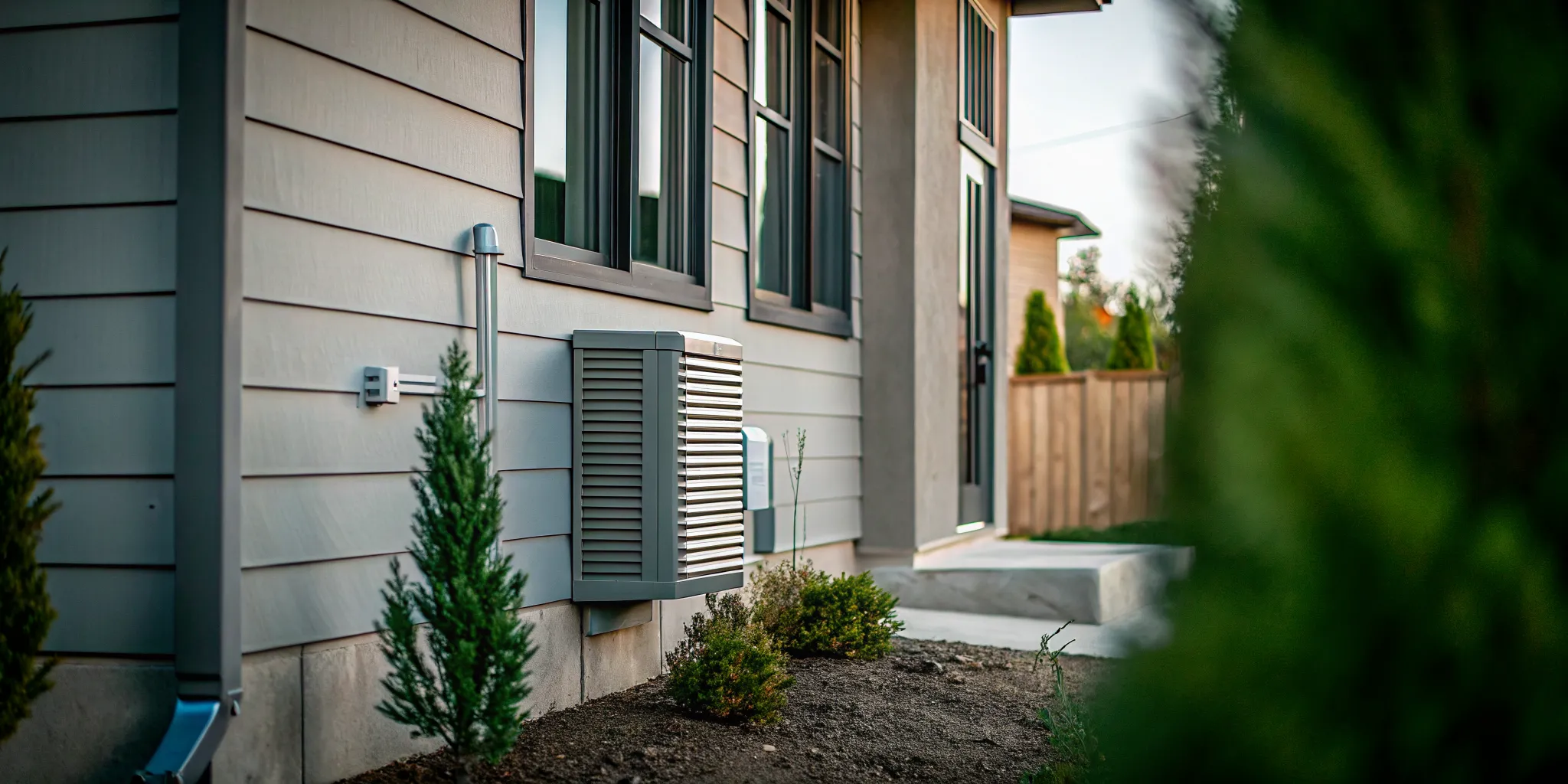
There’s a deep satisfaction in tackling a home project yourself. But when a project involves high-voltage electricity, fuel lines, and strict city codes, it’s time to call in a professional. A whole house generator installation is one of those jobs where the risks of a DIY approach far outweigh any potential savings. An incorrect connection can be dangerous and costly. This guide will explain why hiring a licensed electrician is non-negotiable for this complex task. We’ll cover the critical steps professionals take to ensure your system is safe, compliant, and ready to perform flawlessly when you need it most.
Need Fast & Reliable Electrical Service?
Our licensed electricians are ready to help with repairs, installations, and emergency services. Get expert help you can trust today.
Key Takeaways
- Calculate your power needs first: Before you shop, list your essential appliances to determine the right generator size. This ensures you get a unit that can handle the load without overpaying for unnecessary power.
- Leave installation to the pros: Installing a generator involves high-voltage electricity and fuel lines, making it a job for a licensed electrician. Professional installation is essential for safety, code compliance, and protecting your warranty.
- Budget beyond the generator unit: The total cost includes the generator, an automatic transfer switch, site preparation, permits, and labor. Factoring in these costs from the start helps you plan your investment accurately.
What to Know Before Installing a Whole-House Generator
Getting a whole-house generator is a big step toward securing your family’s comfort and safety, especially during unpredictable Texas weather. But before you jump in, a little planning goes a long way. Thinking through your power needs, the right generator size, and local requirements will make the installation process much smoother. Let’s walk through the key things to consider so you can feel confident about your investment.
How to Calculate Your Power Needs
First things first, you need to decide what you want to power during an outage. This isn’t about keeping every single light and gadget running; it’s about identifying the essentials. Take a walk through your home and make a list. Think about which appliances and systems you absolutely must have. This usually includes the refrigerator, HVAC system, and essential lights. If you work from home or have medical equipment, those are top priorities, too.
Once you have your list, a professional can help you calculate the total electrical load. This step is crucial for ensuring your generator can handle everything you need without being overworked. A proper assessment is the foundation of a reliable backup generator installation.
Starting Watts vs. Running Watts: What’s the Difference?
When you look at your appliances, you’ll notice they have two power ratings: starting watts and running watts. Running watts are the continuous power an appliance uses while it’s on. Starting watts, or surge watts, are the extra burst of power needed to start up appliances with motors, like your air conditioner or refrigerator. This initial surge can be two to three times the running wattage.
It’s important to account for both. Your generator needs enough capacity to handle the total running watts of all your essential items, plus the largest starting-watt requirement. Overlooking this can lead to a generator that’s too small to start your most important appliances when you need them most.
Choose the Right Generator Size
Now that you understand your power needs, you can choose the right generator size. Generators are measured in kilowatts (kW), and a bigger generator provides more power. The size you need depends entirely on the list of essentials you made earlier. A smaller, 10 kW generator might be enough to cover basics like the fridge, some lights, and a small AC unit. A larger home with central air and more appliances might require a 20 kW unit or more.
Bigger generators do cost more, so it’s a balancing act. Most homeowners can expect to pay between $7,000 and $25,000 for a whole-home generator and its installation. A licensed electrician can perform a detailed load calculation to pinpoint the perfect size for your home, ensuring you don’t over or under-buy.
Pick a Fuel Type: Natural Gas, Propane, or Diesel?
Your generator needs fuel to run, and you have a few options. The most common for home generators are natural gas and propane. If your home already has a natural gas line, it’s often the most convenient choice. The generator connects directly to it, providing a virtually endless supply of fuel. Propane is another great option, stored in a large tank on your property. Both natural gas and propane burn cleaner than other fuels.
Diesel is also an option, though it’s more common in commercial settings. It’s highly efficient but requires a large, dedicated storage tank that needs to be refilled. For most homeowners in the DFW area, natural gas is the preferred, hassle-free choice for their electrical services.
Consider Placement and Noise Levels
You can’t just place a generator anywhere. There are local codes and manufacturer guidelines that dictate where it can be safely installed. It needs to be a certain distance from doors, windows, and vents to prevent carbon monoxide from entering your home. It also needs to be on a stable, level surface that won’t flood. A professional installer will help you find the perfect spot.
Noise is another factor. While modern generators are quieter than older models, they still make noise. Placing the unit in a location where it won’t disturb you or your neighbors is ideal. A professional can help you pick a spot that is both safe and discreet, and placing it close to your gas line and electric meter can even help save you money on installation.
Check for Permits, Codes, and HOA Rules
Installing a whole-house generator is not a simple DIY project; it involves electrical and sometimes plumbing work that requires permits. You will likely need city building, electrical, and plumbing permits to ensure the installation is up to code and safe. This is non-negotiable, as an unpermitted installation can void your homeowner’s insurance and cause major issues if you sell your home.
Additionally, many neighborhoods have Homeowners Associations (HOAs) with their own rules about generator placement, noise levels, and appearance. Be sure to check your HOA guidelines before you begin. A reputable electrician will handle the entire permitting process for you, ensuring your installation is compliant with all local regulations and HOA requirements.
How Much Does Whole-House Generator Installation Cost?
Investing in a whole-house generator is a big decision, and understanding the cost is the first step. While the price tag can seem high, the peace of mind you get from knowing your home will have power during an outage is invaluable. The total cost for a whole-home generator, including the unit and professional installation, typically falls between $8,000 and $25,000. This wide range is because every home and installation is unique.
Several key elements contribute to the final price, from the size of the generator itself to the complexity of the installation work required. To give you a clearer picture of what to expect, let’s break down the costs. Knowing what goes into the total price will help you budget effectively and make a confident choice for your home’s backup generator installation.
Breaking Down Generator Unit Costs
The generator itself is the largest single expense. The price of the unit is primarily determined by its power output, which is measured in kilowatts (kW). A smaller, air-cooled generator (around 7-11 kW) designed to power only essential appliances might cost a few thousand dollars. In contrast, a larger, liquid-cooled unit (20 kW or more) capable of running your entire home, including multiple air conditioners, will be significantly more expensive. Brand reputation and fuel type (natural gas, propane, or diesel) also play a role in the final cost of the unit.
What to Expect for Professional Installation Fees
Professional installation is not just a recommendation; it’s essential for safety and proper function. Installation fees cover the labor and expertise of a licensed electrician. This fee includes preparing the installation site with a concrete pad, installing the automatic transfer switch (ATS), running the electrical wiring from the generator to your home’s electrical panel, and connecting the fuel source. The complexity of these tasks will influence the final cost. For example, a home with an easily accessible electrical panel and gas line will have a lower installation fee than one requiring extensive trenching or complex wiring.
Factors That Affect the Total Price
Beyond the generator and basic installation, several other factors can affect your total investment. The location of the generator is a big one; if the site is difficult to access, it will require more labor. Your home’s existing electrical system might also need an upgrade to handle the generator, which adds to the cost. Other variables include the length of the fuel line needed to connect to your natural gas or propane source and the cost of obtaining necessary city building, electrical, and plumbing permits. A professional installer will outline all these potential costs in your initial quote.
Will Homeowners Insurance Cover Generator Installation?
While your homeowners insurance policy won’t pay for the initial installation, it’s an important part of the conversation. Some insurance providers offer a small discount on your premium once a standby generator is professionally installed, as it can prevent issues like frozen pipes during a winter power outage. More importantly, you must follow all local codes and obtain the proper permits and inspections. Many HOAs also have specific rules about generator placement and noise levels. Failing to get the right approvals could cause your insurance to deny a claim if the generator causes a fire or other damage.
A Step-by-Step Guide to Generator Installation
Seeing a whole-house generator installed might look complicated, but when you break it down, the process is quite logical. A professional installation is a well-orchestrated project designed to integrate the generator safely and seamlessly with your home’s electrical system. While the specifics can vary based on your property and the generator model, the core steps remain the same. Understanding the process can give you peace of mind and help you know what to expect when your installation day arrives.
From preparing the perfect spot in your yard to running the final tests, every step is critical for ensuring your generator is ready to perform when you need it most. A licensed electrician handles all the technical details, so you can relax knowing the job is done right. Here’s a look at what a professional backup generator installation typically involves.
Step 1: Prepare the Site and Foundation
First things first, your installation team will help you confirm the best location for your generator. This spot needs to comply with local codes for distance from windows, doors, and property lines. Once the location is set, the team prepares the site. This usually means pouring a concrete slab to create a stable, level foundation for the generator to sit on. A solid foundation prevents the unit from shifting or vibrating excessively while it’s running, protecting the internal components and ensuring a longer lifespan for your investment.
Step 2: Connect the Fuel Source
Your generator needs fuel to run, and this step is all about getting it there safely. Whether your generator uses natural gas or propane, a licensed professional will run a dedicated fuel line from your home’s main supply directly to the unit. This process requires careful work to ensure the connections are secure and leak-free. Because it involves working with fuel lines, this is a critical safety step that should only be handled by qualified technicians who understand the specific requirements and local regulations.
Step 3: Install the Automatic Transfer Switch
The automatic transfer switch, or ATS, is the brain of your backup power system. This smart device is installed next to your main electrical panel. Its job is to constantly monitor the flow of power from the utility company. The moment it detects an outage, the ATS automatically disconnects your home from the grid and signals the generator to start. Once the generator is running, the switch transfers your home’s electrical load to the generator. This all happens in seconds, ensuring a smooth and immediate transition to backup power.
Step 4: Complete the Electrical Wiring and Panel Connection
With the generator and transfer switch in place, it’s time to connect everything. A licensed electrician will run wiring from the generator to the transfer switch and from the transfer switch to your home’s main circuit breaker panel. This is what allows the generator to power your home’s circuits during an outage. In some cases, your existing panel might need an upgrade to handle the generator’s capacity. A professional can assess your current setup and perform any necessary electrical services to ensure your system is safe and effective.
Step 5: Test the System and Get Final Approval
Before the job is done, the installation team will run a full system test. They’ll simulate a power outage to make sure everything works exactly as it should. This includes checking that the generator starts automatically, the transfer switch engages correctly, and power is successfully restored to your home. Once the test is complete and you’re comfortable with how the system works, the team will schedule a final inspection with local authorities to ensure the installation meets all code requirements for a final sign-off.
How to Maintain Your Generator
Just like your car, your generator needs regular maintenance to stay in top condition. After all, you want it to be ready the moment you need it. Most generators run a weekly self-test, but they also require periodic service from a professional. This includes changing the oil and filters, checking the battery, and inspecting all connections. Setting up a regular service plan is the easiest way to handle this. Proactive generator maintenance ensures your system will run reliably for years to come, protecting your home and family during any power outage.
Should You Hire a Pro for Your Generator Installation?
When you’re investing in a whole-house generator, it’s natural to look for ways to manage the cost. You might even wonder if you can handle the installation yourself. While some home projects are great for a DIY weekend, installing a generator isn’t one of them. This is a complex job that involves high-voltage electricity and fuel lines, where a small mistake can lead to big problems like carbon monoxide leaks, electrical fires, or damage to your home’s wiring and appliances. The technical skill required is significant, and the margin for error is practically zero.
Hiring a professional ensures the job is done safely and correctly from the start. A licensed electrician will secure the necessary permits, make sure the installation meets all local codes, and properly connect the generator to your home’s electrical system. This not only protects your family and your property but also ensures your generator’s warranty remains valid, as many manufacturers require professional installation. Think of it as an investment in peace of mind. Knowing that your backup power source was installed by an expert means you can count on it to work reliably when you need it most, without any second-guessing.
The Risks of a DIY Installation
Tackling a generator installation on your own can be tempting, but the risks are significant. You’re working with both a fuel source and your home’s main electrical panel, a combination that requires expert knowledge to handle safely. An incorrect connection can back-feed electricity to the grid, creating a life-threatening hazard for utility workers. Improper wiring can also damage your generator and the appliances it’s supposed to protect.
Beyond the immediate safety concerns, there’s the issue of code compliance. Local regulations for generator placement, wiring, and fuel line connections are strict for a reason. A DIY job that isn’t up to code can lead to failed inspections, fines, and issues with your homeowner’s insurance. For your safety and to protect your investment, this project is best left to a professional.
Why You Need a Licensed Electrician
A whole-house generator is a powerful piece of equipment that integrates directly with your home’s electrical system. That’s why you need a licensed electrician to perform the installation. These professionals have the training and experience to work safely with high-voltage connections and install the automatic transfer switch, which is the brain of the system. The transfer switch is what automatically and safely shifts your home’s power source from the grid to the generator during an outage.
Hiring a licensed and insured electrician protects you from liability and ensures the work is done right. They understand the specific requirements of the National Electrical Code as well as local DFW-area regulations. This guarantees your system will operate safely and pass all required inspections, giving you confidence that your home is prepared for any power outage.
How to Choose the Right Installation Company
Finding the right company for your generator installation is crucial. Start by getting quotes from a few different licensed and insured electrical contractors in the Dallas-Fort Worth area. Don’t just look at the bottom-line price; consider what each quote includes. A reputable company will provide a detailed estimate covering the generator, transfer switch, labor, permits, and any necessary site preparation.
Ask for proof of license and insurance, and check online reviews or ask for references. A trustworthy contractor will be transparent and happy to answer your questions. Look for a company with proven experience in generator installations. They’ll be familiar with different brands and models and can help you choose the right one for your home’s specific power needs, ensuring a smooth process from start to finish.
Get a Professional Installation with TLC Electrical
At TLC Electrical, we make the installation process straightforward and stress-free. Our team of licensed and experienced electricians handles every detail to ensure your generator is installed safely and functions perfectly. We start by preparing the site, often pouring a concrete slab for a stable and level foundation. Then, we connect the fuel line and install the automatic transfer switch next to your main electrical panel.
Before we consider the job complete, we conduct a full system test. We simulate a power outage to verify that the generator kicks on automatically and powers your home as expected. This final check ensures everything is working correctly and gives you the confidence that your family will be safe and comfortable during the next outage. A backup generator installation from our team guarantees your system is ready when you need it.
Related Articles
- Backup Generator Installation – TLC Electrical
- What to Know Before Upgrading Your Electrical Panel in Your DFW Home – TLC Electrical
- Whole House Surge Protection – TLC Electrical
- Panel Upgrades: Why They Matter Today – TLC Electrical
Need Fast & Reliable Electrical Service?
Our licensed electricians are ready to help with repairs, installations, and emergency services. Get expert help you can trust today.
Frequently Asked Questions
Will a whole-house generator power everything in my home? It certainly can, but it all comes down to the size you choose. A generator’s power is measured in kilowatts (kW), and the right size for you depends on what you want to run during an outage. A smaller unit might be perfect for essentials like your refrigerator, a few lights, and your HVAC system. If you want to power your entire home without compromise, you would need a larger, more powerful model. A professional load calculation is the best way to determine the exact size that fits your specific needs and budget.
How long does the installation process usually take? A standard installation is typically completed over a few days, though not all of that time requires active work on your property. The first day often involves preparing the site and pouring a concrete pad, which then needs time to cure. The main installation of the generator, transfer switch, and wiring usually takes a full day. The final step is a city inspection, which is scheduled after the work is complete to ensure everything is up to code.
What’s the main advantage of a whole-house generator over a portable one? The biggest advantages are convenience and safety. A whole-house generator is permanently installed and connected to an automatic transfer switch, so it turns on by itself within seconds of an outage, whether you’re home or not. You don’t have to wheel it out, find extension cords, or refuel it in bad weather. It’s also a safer solution because it’s professionally wired into your electrical panel, eliminating the risks associated with back-feeding power or running a gas engine too close to your home.
How often will my new generator need professional maintenance? Think of your generator like your car; it needs regular check-ups to perform reliably. Most modern generators run a short self-test each week to make sure they’re ready. Beyond that, it’s best to have a professional service the unit once a year. An annual maintenance visit typically includes an oil and filter change, a battery check, and a full inspection to ensure all the components are in top shape for the seasons ahead.
Do I need to be home during the entire installation? You don’t need to be there for the whole process, but you will need to be available for part of it. Much of the work, like preparing the foundation and setting the generator in place, happens outside. However, the electrician will need access to your home to install the automatic transfer switch, which is usually located near your main electrical panel. Your installation company will coordinate with you to schedule a time for this interior work.