
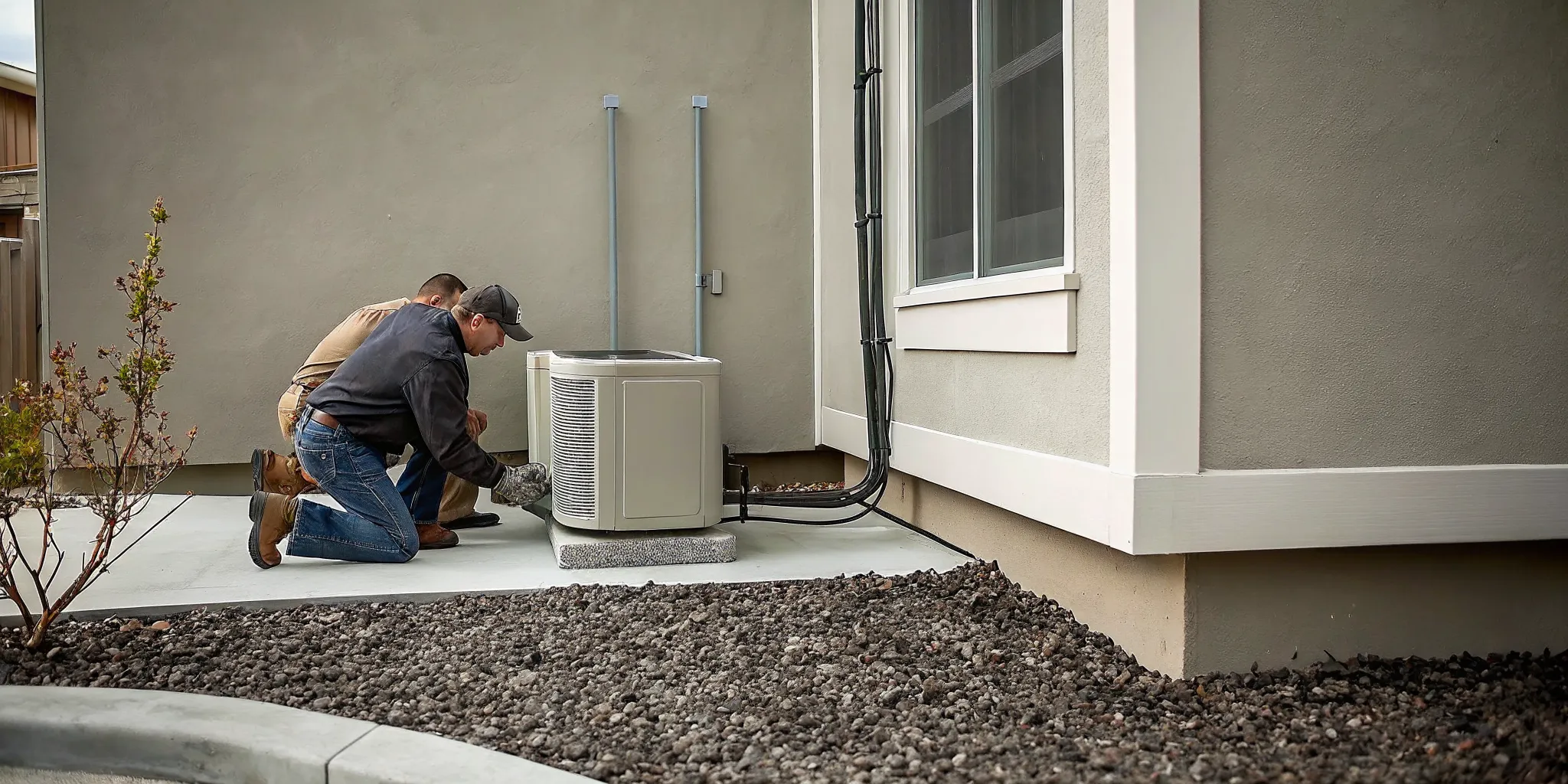
If you’re the kind of person who enjoys a good home improvement project, you might be wondering if you can install a generator yourself. While we love that can-do attitude, this is one job that should always be left to a licensed professional. A whole-house generator isn’t just another appliance; it’s a complex piece of machinery that integrates directly with your home’s electrical and fuel systems. A single mistake can lead to serious safety hazards. This article will explain how to install a whole-house generator the right way, by showing you what a professional installation entails so you can be an informed homeowner throughout the entire process.
Need Fast & Reliable Electrical Service?
Our licensed electricians are ready to help with repairs, installations, and emergency services. Get expert help you can trust today.
Key Takeaways
- Professional installation is non-negotiable: A whole-house generator connects directly to your home’s electrical panel and fuel lines, making it a job for licensed experts. A professional ensures the system is installed safely, preventing serious risks like electrical fires, fuel leaks, and carbon monoxide poisoning.
- Match the generator to your home’s needs: The right generator starts with smart planning. Calculate the wattage of your essential appliances, select a convenient fuel source like natural gas or propane, and choose a safe, level location for the unit before making a purchase.
- Consistent maintenance guarantees reliability: Treat your generator like your car with a regular care schedule. Annual professional service and running the unit periodically keeps the engine ready, ensuring it will start without fail during an actual power outage.
What Are the Different Types of Whole-House Generators?
Choosing the right generator starts with understanding your options. While the goal is always to keep your lights on, different types of generators get the job done in very different ways. Each comes with its own set of benefits and considerations, so let’s break down the three main types you’ll encounter. Thinking about how much power you need and how you want it delivered will help you find the perfect fit for your home and family.
Standby Generators
Think of a standby generator as your home’s ultimate insurance policy against power outages. These are large, permanent units installed outside your house, similar to an air conditioning unit. Their biggest advantage is that they work automatically. The moment the power goes out, a standby generator senses the disruption and kicks on within seconds, providing seamless power to your entire home. Because they are powerful and directly wired into your home’s electrical system, they require professional backup generator installation. While they have a higher upfront cost, their reliability and convenience are unmatched for anyone who wants uninterrupted power without any manual effort.
Portable Generators
Portable generators are smaller, more flexible units that you can move where you need them. Unlike standby models, they need to be started manually and are best for powering just a few essential appliances, like your refrigerator or a space heater, during an outage. They are a much more affordable option and can be used for other activities like camping or outdoor projects. However, they provide less power, can be quite noisy, and require you to run extension cords safely into your home. They’re a great temporary solution but aren’t designed to power an entire house seamlessly.
Inverter Generators
Inverter generators are a smarter, quieter version of portable generators. They produce a “clean” and stable electrical current, which is crucial for safely powering sensitive electronics like laptops, smartphones, and modern TVs. A standard portable generator can sometimes cause power surges that damage these devices, but an inverter generator smooths out the electricity to prevent that. They are typically much quieter than their conventional counterparts, making them a more neighbor-friendly option. While they don’t produce as much power as a standby unit, they are perfect for keeping your essential tech running and for recreational use.
How Do You Choose the Right Generator?
Picking the right generator feels like a huge decision, because it is. This machine is your home’s lifeline during a power outage, so you want to get it right. The good news is that it’s not as complicated as it seems when you break it down. The process really comes down to three key things: figuring out how much power you actually need, choosing the best fuel source for your property, and considering factors like noise and reliability. Thinking through these points will help you find the perfect fit for your home and budget, ensuring you have peace of mind when the lights go out. A proper backup generator installation starts with making a smart choice.
If you are comparing a large portable unit with a standby system, use our 50 amp generator guide to understand what a 50 amp connection can realistically support and why transfer equipment matters.
Calculate Your Power Needs
First things first, let’s figure out how much power you need. You don’t want to end up with a generator that can’t handle your essentials or, on the flip side, pay for a massive unit you’ll never fully use. Start by making a list of all the appliances and systems you want to run during an outage. Think about the must-haves like your refrigerator, HVAC system, and any medical equipment. Then, add the nice-to-haves like lights, TVs, and your Wi-Fi router. Add up the wattage for everything on your list. A good rule of thumb is to choose a generator that can handle at least 80% of that total. An experienced electrician can help confirm the right size with a professional load calculation, taking all the guesswork out of the equation.
Select a Fuel Type
Next up is fuel. The most common options for whole-house generators are natural gas, propane, and diesel. Each has its own set of pros and cons, so the best choice often depends on what’s available at your home. If you already have a natural gas line, that’s usually the most convenient option since it provides a continuous fuel supply. Propane is another popular choice; it’s stored in a large tank on your property and has a long shelf life, but you’ll need to schedule refills. Diesel generators are powerful and efficient but require you to store the fuel, which can be less convenient. Consider fuel accessibility and maintenance needs when making your decision.
Compare Noise Levels and Brand Reputation
Many people worry that a home generator will sound like a construction site is running in their backyard. Thankfully, that’s a common myth. Modern standby generators are designed to be surprisingly quiet, often no louder than a standard central air conditioning unit. When comparing models, look for the decibel (dB) rating to get a clear idea of the noise level. Beyond sound, brand reputation is key. A generator is a long-term investment in your home’s safety and comfort. Look for brands with a history of reliability and strong warranties. Our licensed electricians can recommend trusted brands and ensure your installation is smooth and straightforward, giving you a reliable power source without the disruption.
How Much Does a Whole-House Generator Installation Cost?
Investing in a whole-house generator is a big decision, and understanding the costs involved is the first step. The final price tag isn’t just about the generator itself; it includes the unit, professional installation, and other necessary expenses like permits. Think of it as a complete system designed to keep your lights on and your home running smoothly during a power outage. The total cost can vary quite a bit based on the size of your home, the generator model you choose, and the complexity of the installation. It’s easy to focus on the price of the generator you see online, but the real cost includes everything needed to get it running safely and reliably.
To give you a clear picture, we can break down the expenses into three main categories: the price of the generator unit, the cost of labor and installation, and the fees for permits and other related items. While the initial investment might seem high, the security and convenience it provides during unexpected blackouts offer long-term value. A professional team can give you a detailed quote, but knowing these components will help you budget effectively and ask the right questions. Getting a backup generator installation is one of the best ways to prepare your home for anything, ensuring you’re never left in the dark.
Generator Unit Prices
The generator itself is the largest part of your investment. For a unit that can power your entire home, you can generally expect the price to fall between $10,000 and $15,000. This cost depends on the generator’s capacity, which is measured in kilowatts (kW), as well as the brand and any special features it might have. A larger home with more appliances, like two air conditioning units, will require a more powerful and therefore more expensive generator. It’s important to choose a unit that meets your specific power needs without going overboard, ensuring you have reliable energy without overspending.
Installation and Labor Costs
Professional installation is critical for safety and performance, and its cost is a significant part of the total budget. The total project cost, including the generator and installation, often ranges from $8,000 to $16,000, though this can climb depending on the unit you select and the specifics of your property. Installation involves more than just setting the generator down; it includes preparing a concrete pad, running fuel lines, and performing complex electrical work. This includes connecting the generator to your home’s electrical panel with a transfer switch, which is a job that requires a licensed electrical services provider to ensure everything is done correctly and safely.
Permits and Other Expenses
Beyond the unit and labor, there are other costs to consider. Installing a whole-house generator requires permits from your local municipality to ensure the work complies with safety codes. The process involves careful coordination of electrical and plumbing systems, and handling these local regulations can be complex. A professional installer will manage the permitting process for you, which saves you time and potential headaches. These fees, along with any necessary site preparation or upgrades to your existing electrical or gas systems, contribute to the final cost of the project. Factoring these expenses in from the start helps avoid any surprises down the road.
How to Prepare Your Home for Installation
Getting a whole-house generator is an exciting step toward securing your home’s power supply. While your electrician will handle the technical work, a little prep on your end can make the installation process go much faster and smoother. Thinking through a few key details beforehand ensures your new generator has the perfect spot to do its job effectively and safely for years to come. It’s all about creating the right environment for your new equipment to be installed correctly from day one.
Taking these steps helps our team at TLC Electrical complete your backup generator installation efficiently, so you can have peace of mind that much sooner. Let’s walk through what you can do to get your home ready.
Pick the Best Location
Choosing the right spot for your generator is one of the most important first steps. You’ll want to find a stable, level area with good drainage that also allows for easy maintenance access down the road. Ideally, the generator should be placed close to your natural gas line and electric meter. This proximity helps minimize the length of connections, which can reduce installation costs and complexity. Also, consider noise levels. Placing the unit away from bedrooms and main living areas will keep the operational hum from becoming a nuisance when it kicks on.
Prepare the Foundation and Pad
A whole-house generator is a heavy piece of machinery that needs a solid foundation to operate safely and prevent vibration damage. It must be installed on a perfectly level surface, like a specially prepared gravel bed or a pre-cast concrete pad. Safety is also a major factor here. It’s critical to maintain at least a five-foot clearance from any combustible materials, as well as from windows and doors. This spacing prevents fire hazards and ensures that exhaust fumes don’t find their way into your home. Our certified electricians will confirm the foundation meets all safety standards.
Check Utility Lines and Local Codes
Installing a generator is a significant project that involves your home’s electrical and sometimes plumbing systems. Before any work begins, it’s essential to check local building codes and secure the necessary permits. Every municipality in the Dallas-Fort Worth area has specific regulations to ensure a safe and effective setup. This is where hiring a professional really pays off. A licensed team understands the requirements for all the electrical services involved and will handle the permitting process for you, ensuring your installation is fully compliant and safe from the start.
Can You Install a Whole-House Generator Yourself?
If you’re a seasoned DIYer, you might be wondering if you can tackle a generator installation on your own. While we admire the can-do spirit, this is one project where it’s best to call in a professional. Installing a whole-house generator isn’t like putting together furniture or replacing a light fixture. It involves complex electrical wiring, fuel line connections, and adherence to strict local codes that are in place to keep everyone safe.
The process requires a deep understanding of your home’s electrical system and how to safely integrate a powerful new energy source. Mistakes can lead to serious risks, including electrical fires, carbon monoxide poisoning, or damage to your home’s wiring and appliances. Even if you have some electrical experience, the specific requirements for installing a transfer switch and connecting it to your main panel are intricate. For the safety of your home and family, this job is best left to a licensed and insured electrician who specializes in generator installations.
Assess Your Skills and Tools
Before you consider a DIY installation, take a moment to honestly assess your expertise. This project requires more than basic home repair skills. You need a comprehensive understanding of electrical systems, including how to work safely with your home’s main electrical panel and install a transfer switch. You also need experience handling fuel lines, whether it’s natural gas or propane, which presents its own set of dangers.
Beyond the skills, you’ll need specialized tools that aren’t in the average toolbox. Most homeowners should hire a licensed electrician because the job involves complex connections, permits, and safety regulations that professionals are trained to manage. Without the right knowledge and equipment, you risk making a critical error.
Know When to Hire a Professional
The short answer is: you should hire a professional from the start. A licensed electrician handles every critical step of the process, from preparing the site and pouring a concrete pad to installing the transfer switch and connecting the fuel lines. They ensure everything is wired correctly to your home’s electrical panel, preventing dangerous issues like back-feeding the utility grid.
A professional backup generator installation guarantees that all safety protocols are followed, protecting you from electrical hazards and fuel leaks. Electricians are also familiar with local permitting requirements and building codes, so you can be confident the job is done right the first time. This peace of mind is invaluable when dealing with something as important as your home’s power.
Avoid These Common DIY Mistakes
Trying to install a generator yourself can lead to several dangerous and costly mistakes. One of the most common errors is improper transfer switch installation. If wired incorrectly, it can send power back to the utility lines, creating a life-threatening hazard for utility workers. Another frequent mistake is incorrect fuel line connection, which can cause gas leaks and a risk of fire or explosion.
Many DIY installations also fail to meet local building codes, which can result in fines and an order to have the work redone by a professional. Inadequate planning is another pitfall, from choosing the wrong location for the generator to failing to prepare a stable foundation. These mistakes don’t just jeopardize the project; they put your property and safety at risk.
What Safety Precautions Should You Take During Installation?
Installing a whole-house generator is a major electrical project, and putting safety first is absolutely essential. While it might be tempting to tackle this yourself, the risks of carbon monoxide poisoning, electrical shock, and fuel leaks are incredibly high. A single mistake can have serious consequences. That’s why we always recommend working with a licensed professional for your backup generator installation. A pro understands the specific codes and requirements for a safe setup, ensuring every step is done correctly to protect your home and family.
Prevent Carbon Monoxide Poisoning
Carbon monoxide (CO) is a colorless, odorless gas produced by fuel-burning engines, and it can be deadly. This is the single most important reason why a generator must always be installed outdoors. Proper placement is critical. Your generator should be positioned on a stable surface at least five feet away from any doors, windows, or vents that could allow CO to seep into your home. It’s also wise to keep it clear of soffit vents under the eaves of your roof. Following these placement rules is a non-negotiable step to keep your family safe from this silent threat.
Follow Electrical Safety Measures
The electrical connections are where things get especially technical and dangerous. A crucial component of any whole-house generator system is the transfer switch, which safely disconnects your home from the utility grid before the generator kicks on. This prevents “backfeed,” a dangerous situation where electricity from your generator travels back into the power lines, which can injure or kill utility workers. A properly installed transfer switch is the only way to prevent this, which is why this step should always be handled by a qualified electrician who understands complex electrical services.
Handle Fuel Lines Safely
Most whole-house generators run on natural gas or liquid propane (LP), which means they need to be connected to your home’s fuel supply. This work often requires a licensed plumber to ensure the connection is secure and leak-free, as a fuel leak is a serious fire and explosion hazard. During installation, a professional will use the correct fittings to connect the fuel line and will meticulously check for any leaks before the system is ever turned on. Never underestimate the danger of working with fuel lines; it’s a job best left to those with the right training and tools.
How to Install the Transfer Switch and Electrical Connections
Once your generator is sitting on its new pad, the most critical phase of the installation begins: connecting it to your home’s electrical system. This is where the transfer switch comes into play. Think of the transfer switch as the command center for your backup power. It’s a device that safely links the generator to your circuit panel. More importantly, it disconnects your home from the utility grid the moment an outage occurs. This isolation is essential because it prevents your generator from sending electricity back into the power lines, a dangerous situation called “back-feeding” that can seriously injure utility workers trying to restore power.
Because this process involves intricate wiring and direct work inside your home’s main electrical panel, it is absolutely a job for a licensed professional. An experienced electrician understands the local codes, can pull the necessary permits, and has the expertise to handle high-voltage connections safely. Attempting this as a DIY project can lead to damaged appliances, electrical fires, or serious injury. When you hire a professional for your electrical services, you can expect the installation to take about half a day. Your home’s main power will need to be shut off for a couple of hours while the final connections are made, so it’s a good idea to plan accordingly.
Choose Your Transfer Switch: Automatic vs. Manual
You and your electrician will need to decide on the type of transfer switch that best fits your needs. For a whole-house generator, an automatic transfer switch (ATS) is the standard choice. This smart device constantly monitors the power coming from the utility. The second it detects an interruption, it automatically starts your generator and seamlessly switches your home’s power source over to it. When grid power returns, the ATS reverses the process, shutting down the generator. It’s a completely hands-off solution that ensures your home stays powered, even if you’re not there. A manual switch, while less expensive, requires you to go outside and physically flip a switch to get your generator running, which is not ideal in the middle of a storm.
Connect the Generator to Your Electrical Panel
This is the most technical step, where precision is key. A licensed electrician will mount the transfer switch next to your home’s main electrical panel. They will then run heavy-gauge wiring from the generator to the transfer switch and from the switch into your panel, connecting it to the circuits you’ve designated for backup power. This complex wiring is precisely why a professional backup generator installation is so important. At TLC Electrical, our certified electricians are experts at integrating these systems safely and efficiently, ensuring every connection is secure, compliant with all safety codes, and built to last. We handle the entire process so you can have complete confidence in your new system.
Test the System and Start It Up
Before the job is considered complete, the final step is to conduct a full system test. Your electrician will simulate a power outage to verify that every component works together exactly as it should. They will watch to see that the generator kicks on automatically, the transfer switch engages without a hitch, and your home’s lights and appliances power up seamlessly. This test run is a critical quality check that confirms your generator is ready to protect your home during a real power outage. It’s the final step that provides you with true peace of mind, knowing your investment is ready to perform when you need it most.
How to Maintain Your Generator for Long-Term Performance
Installing a whole-house generator is a fantastic step toward securing your home’s comfort and safety. But the work doesn’t stop once it’s set up. Just like your car, your generator needs consistent care to ensure it’s ready when you need it. Proper maintenance protects your investment, prevents failures during an outage, and helps your generator last for years. A well-maintained generator is a reliable one. By following a simple routine and addressing issues early, you can be confident that your home will have power, no matter what the Texas weather throws your way.
Create a Regular Maintenance Schedule
The single most important thing you can do for your generator is to stick to a maintenance schedule. Generators need regular check-ups and should be run every few months to keep the engine parts lubricated and prevent fuel from degrading. Beyond these test runs, your generator needs an annual service appointment with a professional. A licensed electrician will check the oil, change filters, inspect the battery, and ensure all electrical connections are secure. A professional maintenance plan is the easiest way to handle this, ensuring your backup generator installation remains a reliable power source for the long haul.
Troubleshoot Common Installation Problems
Sometimes, maintenance issues can be traced back to the initial installation. Inadequate planning is a common culprit behind future problems. For example, if a generator is placed too close to a wall or under an overhang, it might not get enough airflow, leading to overheating. Similarly, incorrect wiring or an improperly sized transfer switch can cause performance issues. If you notice your generator struggling to start or running rough, it could be a sign of an installation mishap. Electrical problems should always be handled by a professional. An experienced technician can diagnose the root cause and ensure your system is safe and up to code.
Maximize Your Generator’s Lifespan and Reliability
Consistent care is the key to getting the most out of your generator. Regular maintenance helps your generator last longer and work better. Keeping the unit clean from debris, checking fluid levels, and listening for any unusual noises during its weekly test run can help you catch problems early. It’s also important to understand the specific needs of your home and location. The heat and occasional storms in the Dallas-Fort Worth area can put extra stress on your unit. A tailored approach to maintenance can significantly enhance performance and reliability, ensuring it’s always ready to keep your lights on.
Related Articles
- Backup Generator Installation – TLC Electrical
- Whole House Surge Protection – TLC Electrical
- What to Know Before Upgrading Your Electrical Panel in Your DFW Home – TLC Electrical
- Panel Upgrades: Why They Matter Today – TLC Electrical
Need Fast & Reliable Electrical Service?
Our licensed electricians are ready to help with repairs, installations, and emergency services. Get expert help you can trust today.
Frequently Asked Questions
Will a whole-house generator really power everything in my home? Yes, it absolutely can. The key is choosing a generator that is properly sized for your home’s specific needs. A professional electrician will perform what’s called a load calculation, which adds up the power requirements of all your essential systems, like your HVAC, refrigerator, and lights. This ensures the generator we install can handle everything you need to stay comfortable during an outage without skipping a beat.
How loud are these generators? Will my neighbors complain? This is a very common concern, but you might be surprised by how quiet modern standby generators are. Most models produce a sound level similar to a standard central air conditioning unit. When installed correctly and placed in a thoughtful location away from windows and property lines, the sound is usually a low hum that isn’t disruptive to you or your neighbors.
How long will the installation take, and will I be without power? A typical installation is completed within a single day. While our electricians are working, your home’s main power will need to be turned off for a few hours while we safely connect the transfer switch to your electrical panel. We always coordinate this with you ahead of time to pick a window that is least disruptive for your family and schedule.
What’s the difference between an automatic and a manual transfer switch? An automatic transfer switch is the brain of your generator system. It constantly monitors utility power and, when it senses an outage, it automatically starts the generator and switches your home over to backup power within seconds. A manual switch requires you to go outside and physically flip a switch to get power. For seamless, hands-off protection, especially if you’re away from home, the automatic switch is the standard for whole-house systems.
How often does my generator need to be serviced? Just like your car, your generator needs regular care to stay reliable. Most units run a short self-test weekly or bi-weekly to keep the engine ready. Beyond that, we recommend a full professional service appointment once a year. During this visit, a technician will change the oil and filters, check the battery, and inspect all the connections to ensure it’s in perfect working order for when you need it most.